



Converted Electric Lamp
A converted electric lamp brings period weight and domestic warmth into a room by taking older lighting apparatus and adapting it for modern power.
Converted Electric Lamp
When you search for a converted electric lamp, you are looking at items that began life as oil lamps, candelabra, candlesticks, or wall sconces before being rewired for electricity. These pieces span the nineteenth century and the Edwardian era, incorporating styles such as Victorian, Regency, Neoclassical, Art Nouveau, and Napoleon III.
You are most likely to meet brass table lamps and standard lamps on this page, alongside porcelain and bronze examples. Many originate from older domestic lighting formats, retaining their original physical structure while accepting modern bulbs.
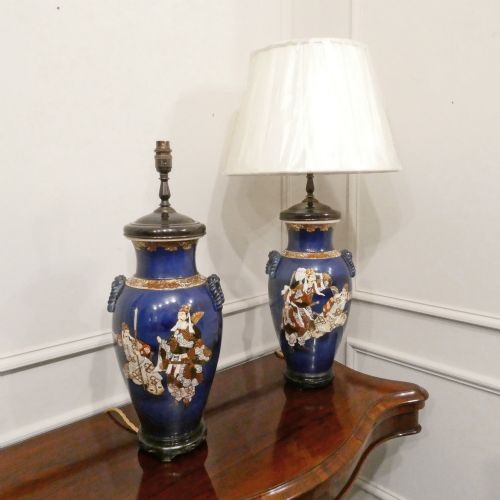
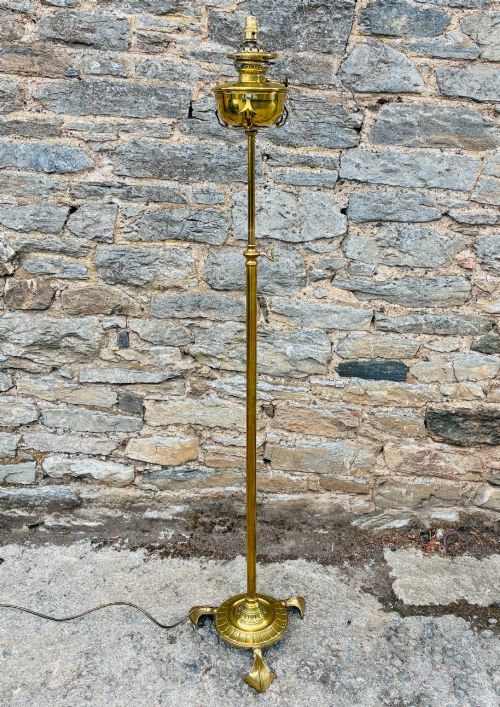
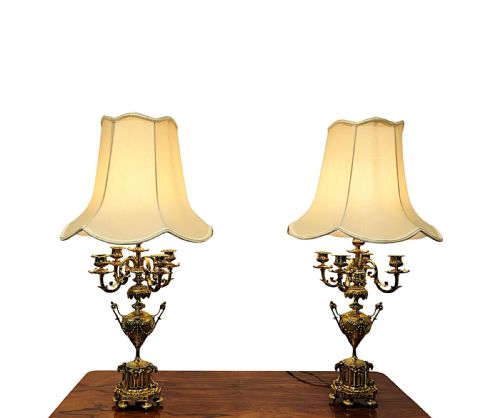
The variety includes pairs of Satsuma porcelain pieces, Tilley lamps, and crystal-adorned table chandeliers. Each object preserves its historical form, whether that is a telescopic brass column or an enamelled metal body.
How they were made
Makers formed these items using cast brass, copper, bronze, and porcelain, often combining metals with glass fonts or crystal droplets. Workmanship involved turning, stamping, and casting components by hand during the nineteenth century and early twentieth century.
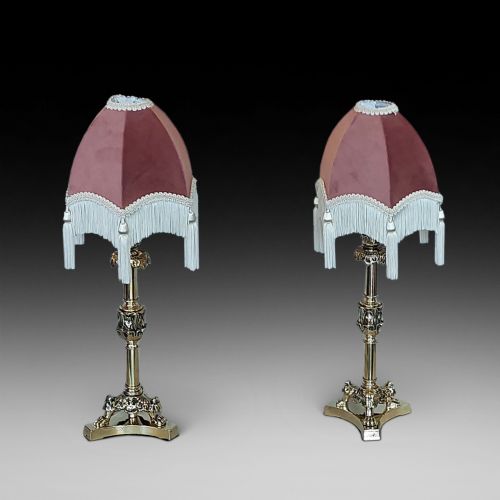
Fabric shades in silk or patterned cloth frequently accompany the bases, paired with internal wiring channels drilled through the original metal or ceramic stems.
Converted Electric Lamp Retail Price Guide 2026
Typical asking prices for converted electric lamp among the pieces listed under this phrase on Sellingantiques today, from the lower quarter to the upper quarter. They describe what is for sale here now, not the wider market.
The listings here feature items spanning the nineteenth century, Victorian period, Edwardian era, and the Japanese Meiji period.
What varies in quality
Quality rests on the integrity of the original object before conversion, distinguishing mass-produced stamped brass from finely chased bronze or hand-painted Satsuma porcelain. Heavier gauge metals and intricate casting work set finer pieces apart.
The subtlety of the conversion itself also defines the tier of the piece, particularly where wiring is routed discreetly through historical fittings without compromising the silhouette.
The Converted Electric Lamp Glossary
- Candelabra
- A branched candlestick holder designed to support multiple candles. These are frequently adapted to carry electrical lamp fittings.
- Font
- The oil reservoir section of an antique lamp. In conversions, this part often houses the electrical bulb holder.
- Satsuma porcelain
- A type of Japanese pottery with a crackle glaze, often painted in polychrome and gold. Pieces of this ware are sometimes mounted as table lamps.
- Telescopic
- Describing a lamp standard or stem designed to adjust in height. This mechanism allows the overall height of the piece to change.
- Napoleon III style
- A nineteenth-century French design movement drawing on eclectic historical precedents. Pieces in this style often feature bronze, crystal, and ornate casting.
Converted Electric Lamp: Frequently Asked Questions
What is a converted electric lamp?
A converted electric lamp is a historical lighting device, such as an oil lamp, candlestick, or candelabrum, that has been rewired to operate on electricity.
These items retain their original nineteenth-century or Edwardian structures while serving modern lighting needs in a home.
Can these lamps take modern bulbs?
Most converted lamps utilise standard lamp holders fitted during the conversion process to accept contemporary bulbs. The internal wiring is adapted to suit current household electrical standards.
This allows historical bases to function safely with modern fittings and shades.
Where should I place a standard lamp?
Standard lamps and tall table lamps suit corners of rooms or positions beside seating where they provide ambient illumination. Their substantial brass, bronze, or porcelain bodies anchor them visually in a space.
Placement depends on the height of the piece and the reach of the power source.