





Continental Wardrobe
A continental wardrobe provides substantial storage with distinct regional character, uniting practical scale with the refined craftsmanship of European cabinetmakers.
Continental Wardrobe
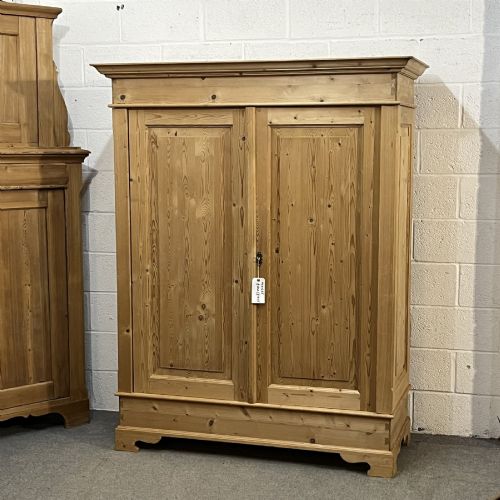
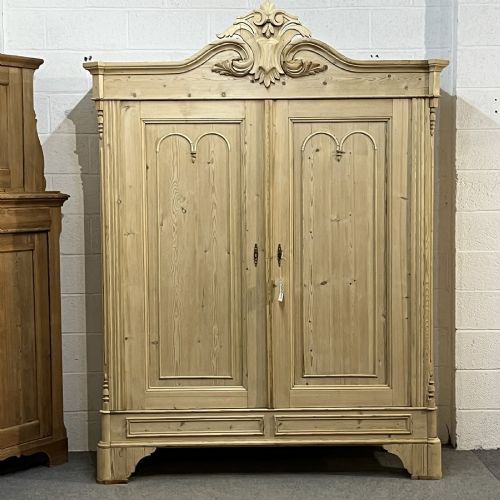
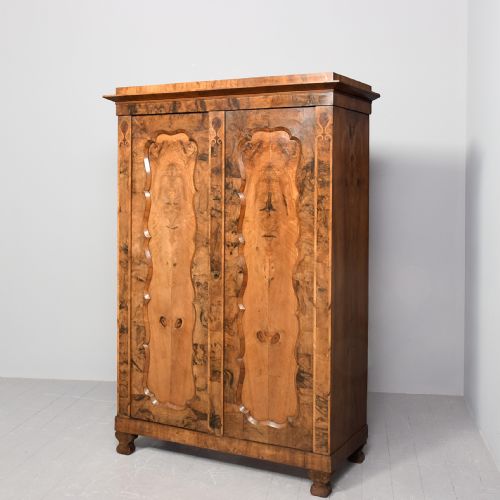
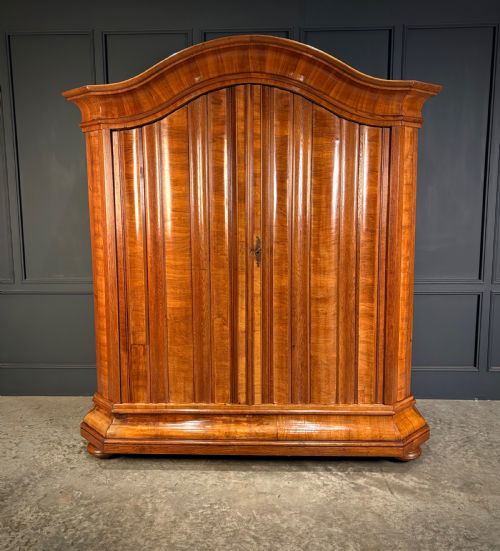
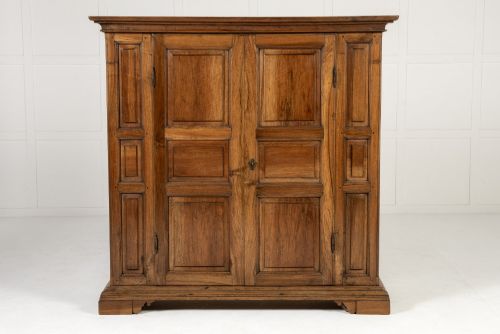
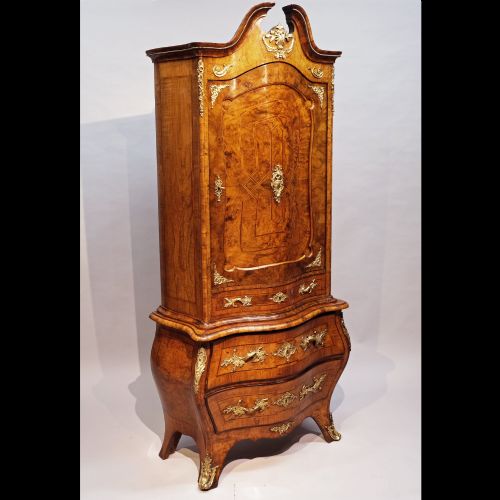
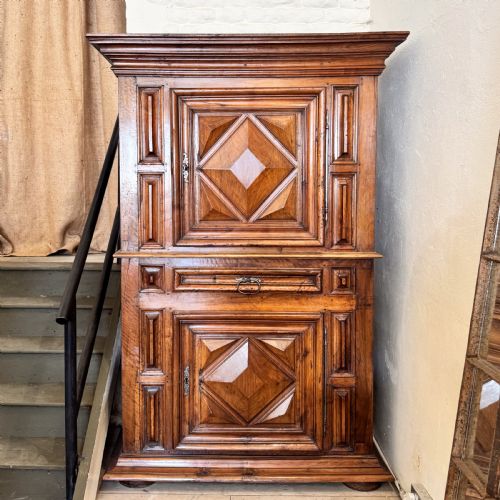
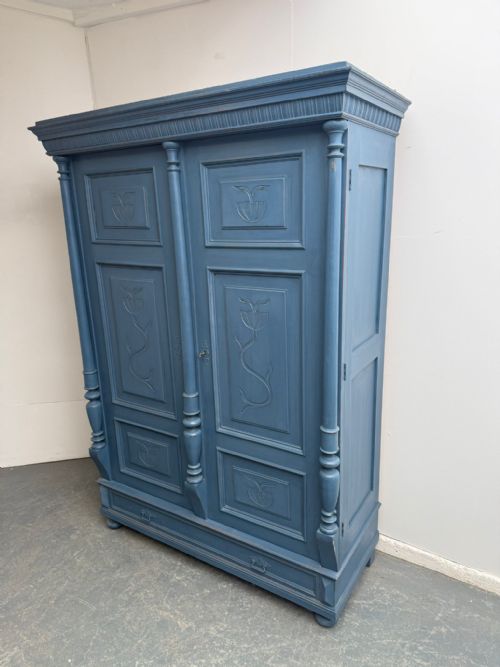
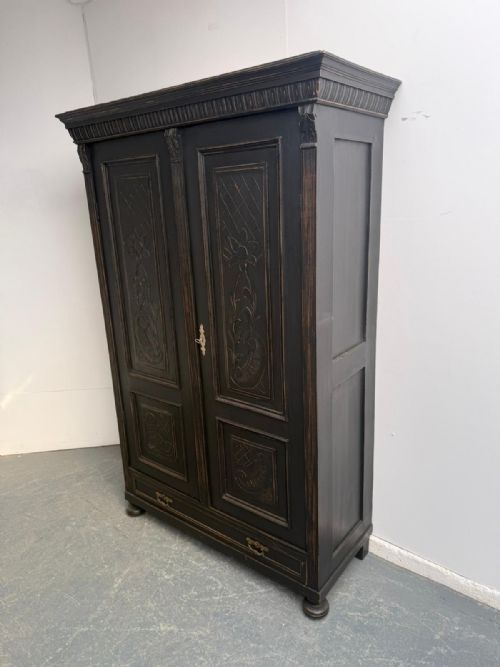
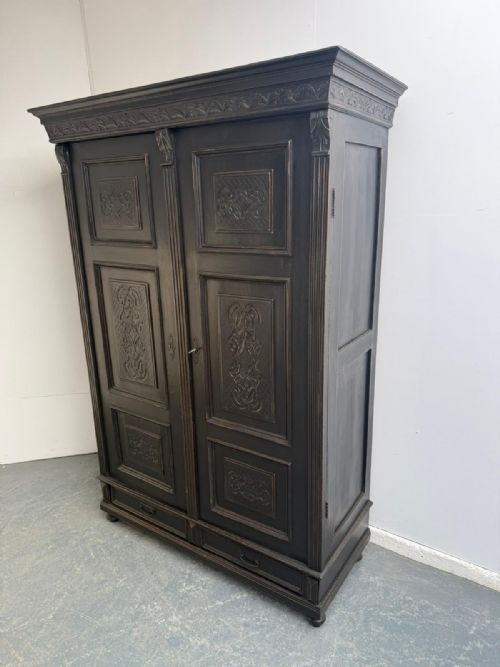
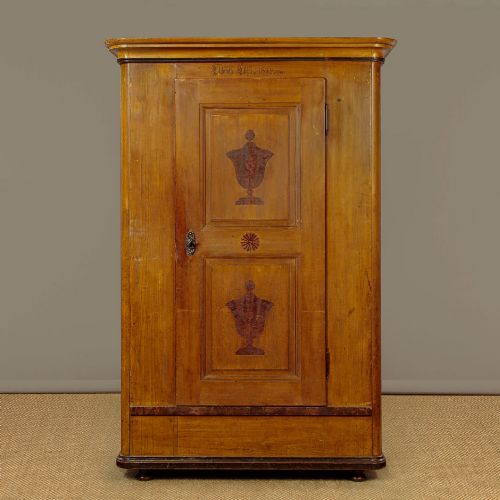
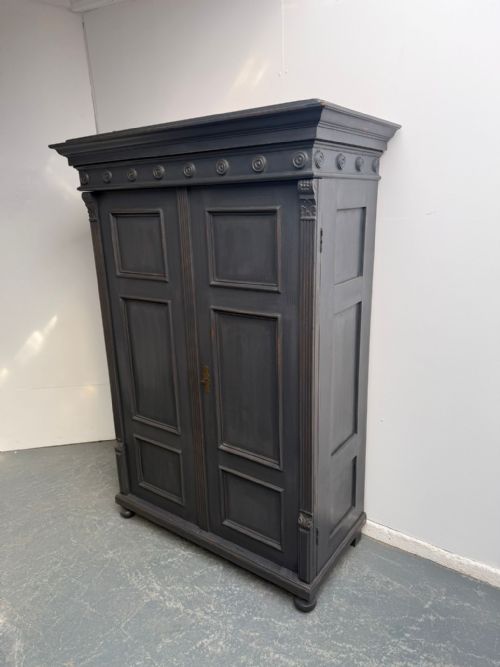
A continental wardrobe encompasses large storage pieces originating from European workshops, including armoires, linen cupboards, and hall wardrobes. When searching for a continental wardrobe, buyers encounter diverse forms ranging from rustic painted pine to figured walnut period pieces.
The selection includes 18th century German and Italian designs alongside 19th century Biedermeier and Hungarian pieces. Many examples utilise regional timbers and traditional construction methods suited to large domestic interiors.
Materials and construction
Construction relies heavily on native timbers such as pine, oak, and walnut, often enhanced with burr walnut veneers or decorative paint finishes. Workshops utilised solid planks for structural integrity, pairing sturdy carcases with brass or iron hardware.
Surface treatments range from waxed natural grain to historical painted finishes in blue, black, and grey. Carved details and panelled doors reflect the specific stylistic traditions of regions like Hungary, Italy, and Germany.
Continental Wardrobe Retail Price Guide 2026
Typical asking prices for continental wardrobe among the pieces listed under this phrase on Sellingantiques today, from the lower quarter to the upper quarter. They describe what is for sale here now, not the wider market.
Listings feature timbers including pine, oak, walnut, and burr walnut, spanning the 17th, 18th, and 19th centuries.
Distinctions in quality
Quality rests in the selection of timbers, such as figured walnut veneers, and the restraint or skill of carved and painted ornamentation. Superior examples maintain structural proportion and original surface finishes without excessive intervention.
The integration of original hardware, such as brass escutcheons and working iron locks, distinguishes better pieces. Internal configuration and the stability of large panelled doors also indicate the standard of workshop production.
The Continental Wardrobe Glossary
- Armoire
- A large freestanding cupboard or wardrobe with doors enclosing shelving or hanging space. Originating in France, the term applies broadly to large European storage cabinets.
- Biedermeier
- A central European style spanning the mid 19th century emphasising clean lines, utilitarian comfort, and the natural grain of timbers like walnut and mahogany over excessive ornamentation.
- Grunderzeit
- A historical period of architectural and decorative arts revival in central Europe during the late 19th century, frequently producing substantial veneered cabinetry.
- Marriage cupboard
- A painted storage piece historically commissioned or gifted to mark a wedding, often featuring dates, initials, or regional decorative motifs.
- Escutcheon
- A flat plate of brass or iron surrounding a keyhole, serving both a protective and decorative function on heavy cabinet doors.
Continental Wardrobe: Frequently Asked Questions
How do I date a continental wardrobe?
Dating relies on examining construction techniques, timber selection, and stylistic markers such as Biedermeier veneers or regional painted finishes. Hardware styles and joint types also provide reliable clues to the decade of manufacture.
Historical painted surfaces and written dates on the woodwork sometimes record the exact year a piece was made or painted.
Are these wardrobes easy to dismantle?
Many large continental wardrobes and armoires were constructed using pegged joints or knock-down systems to allow for transport between rooms. Examining the interior reveals whether the carcase separates into manageable sections.
Professional installation is often recommended for heavy walnut or oak pieces to ensure structural alignment.
What is the difference between an armoire and a wardrobe?
An armoire traditionally describes a tall cupboard with doors enclosing storage, while a wardrobe is specifically designed for hanging garments. In continental usage, these terms frequently overlap.
Many older pieces feature internal shelving that can be adapted for modern hanging space if required.
How should I care for a painted pine wardrobe?
Painted surfaces require gentle cleaning with a soft, dry cloth and protection from direct sunlight to prevent fading. Avoid modern chemical polishes that can degrade historical paint layers.
Maintaining stable room humidity preserves both the timber carcase and the decorative exterior finish.