




Continental Walnut Table
Continental walnut table designs span centuries of European craftsmanship, offering rich wood grain and striking forms for the home.
Continental Walnut Table
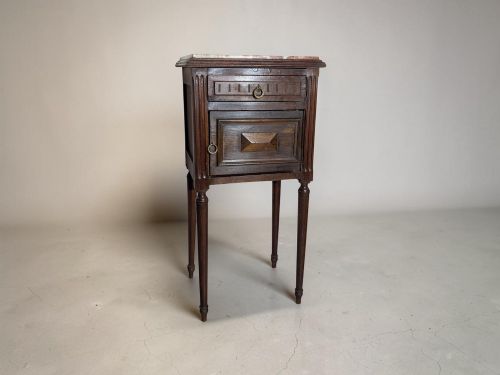
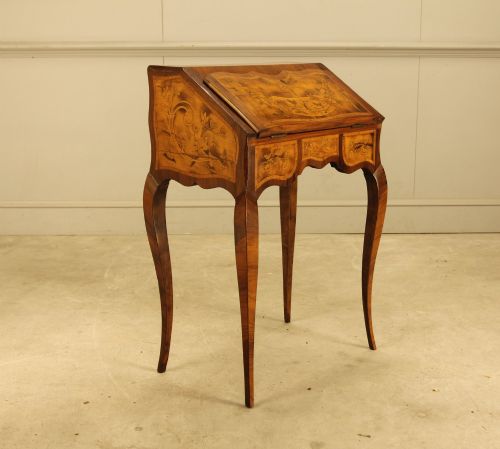
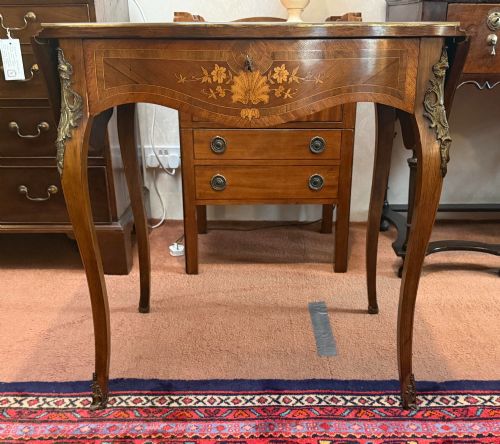
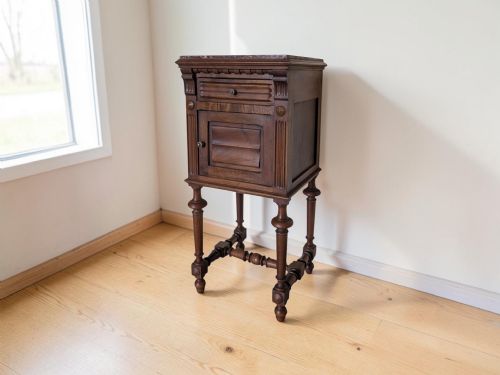
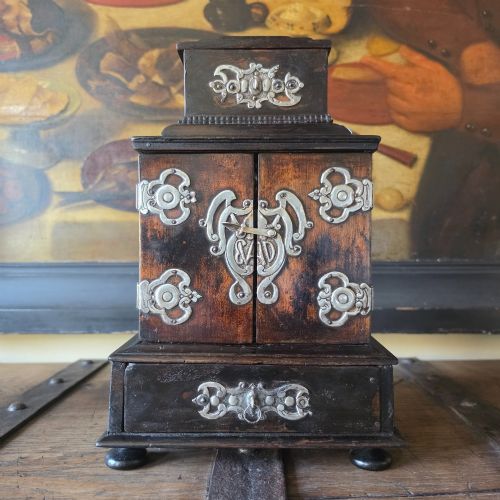
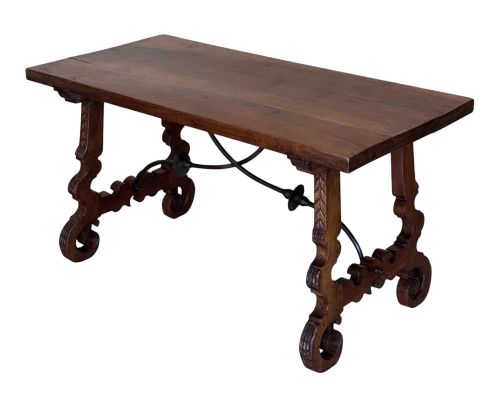
A continental walnut table encompasses a diverse group of European furniture pieces, ranging from nineteenth-century side tables and writing desks to eighteenth-century console tables. When searching for a continental walnut table, buyers encounter various forms such as centre tables, occasional tables, and dining tables originating from countries like Italy, Spain, and Germany.
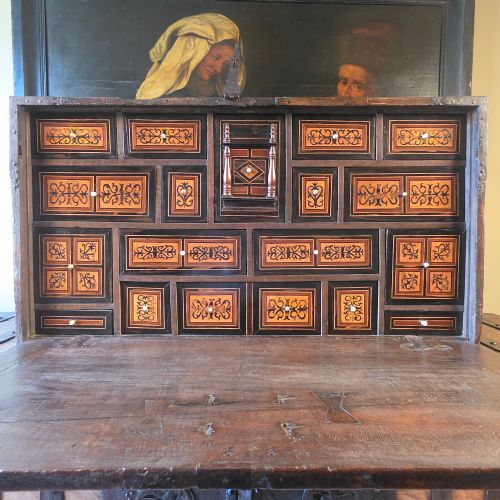
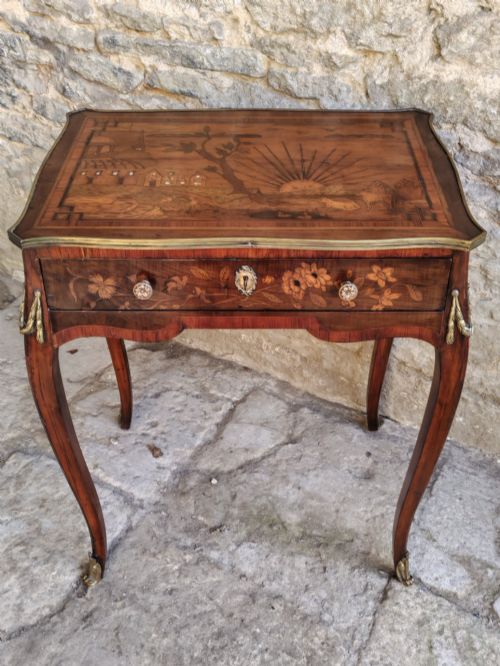
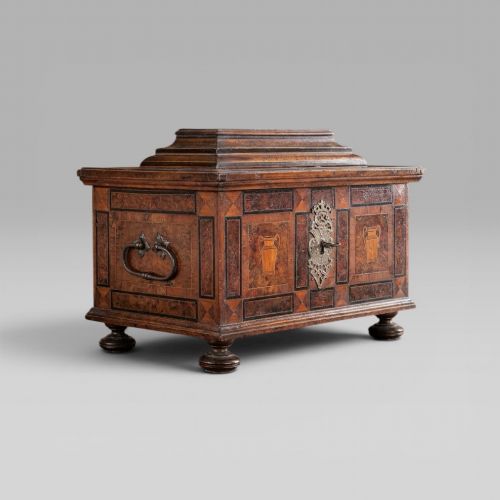
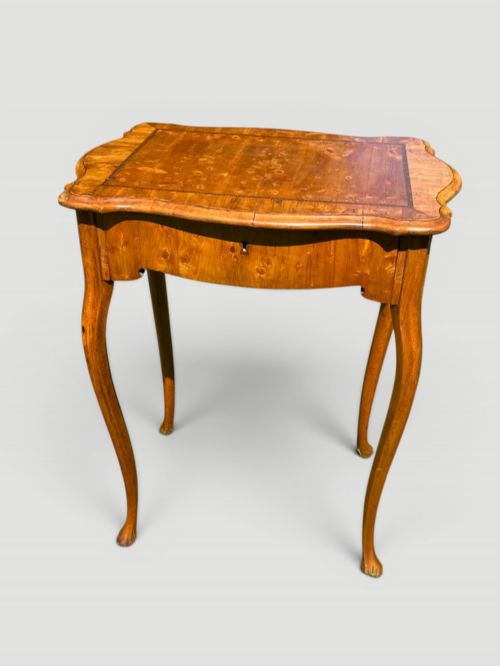
The selection on this page demonstrates how cabinetmakers utilised walnut across distinct periods, including the seventeenth, eighteenth, and nineteenth centuries. Alongside standard side and centre tables, the inventory includes specialised forms featuring marquetry inlay, marble tops, and burr walnut surfaces.
Factors that separate quality levels
The sophistication of the timber selection dictates much of the distinction between pieces, particularly where figured burr walnut or complex marquetry is employed. Higher-tier examples display precise alignment in their wood grain and meticulous execution in inlaid decorative motifs.
Structural integrity and the preservation of original surface patination also define the upper tier of these tables. Pieces that retain their original hardware, marble tops, and uncompromised joinery demonstrate superior craftsmanship from their respective periods.
Continental Walnut Table Retail Price Guide 2026
Typical asking prices for continental walnut table among the pieces listed under this phrase on Sellingantiques today, from the lower quarter to the upper quarter. They describe what is for sale here now, not the wider market.
Materials paired with walnut across these tables include marble, brass, ormolu, fruitwood, and wrought iron.
The Continental Walnut Table Glossary
- Marquetry
- Decorative veneer work arranged in geometric or pictorial patterns on the surface of furniture. It employs various coloured woods to create detailed imagery.
- Burr Walnut
- A specialised wood grain sourced from the growth growths of a walnut tree. It produces highly figured, swirling patterns prized for cabinet fronts and table tops.
- Ormolu
- Gilded bronze detailing applied to furniture mounts and decorative accents. It serves to highlight the corners, legs, and aprons of fine tables.
- Console Table
- A table designed to stand against a wall, frequently supported by wall brackets or distinct legs. Eighteenth-century versions often featured marble tops.
- Centre Table
- A freestanding table finished on all sides intended to sit in the middle of a room. These often display detailed marquetry across the entire top surface.
Continental Walnut Table: Frequently Asked Questions
What defines a continental walnut table?
A continental walnut table is a piece of furniture made in mainland Europe using walnut timber, encompassing forms like side tables, writing desks, and console tables from various centuries.
These pieces reflect regional design movements such as Baroque, Art Deco, and French revival styles.
How do I care for antique walnut furniture?
Antique walnut requires stable indoor humidity levels and protection from direct sunlight to prevent the timber from drying out or fading.
Regular dusting with a soft, dry cloth maintains the finish without the need for heavy chemical polishes.
Are these tables suitable for daily use?
Many of these tables function well in modern interiors as side surfaces, desks, or accent tables in living spaces and hallways.
Sturdy construction from dense walnut timber allows them to handle everyday placement of lamps, books, and decorative objects.
How can I tell the period of a table?
The period is indicated by a combination of stylistic markers, construction methods, and the specific type of secondary woods used in the frame.
Comparing the decorative motifs, such as marquetry patterns or carved details, against known historical periods helps narrow down the date of manufacture.