




Continental Vitrine
A continental vitrine holds precious objects behind glass, bringing European craftsmanship and elegance into a room.
Continental Vitrine
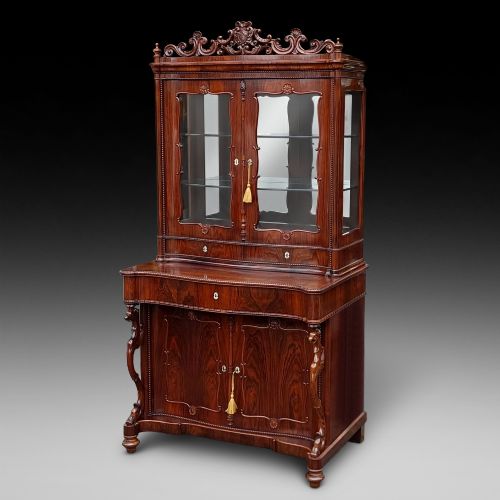
A continental vitrine is primarily a display cabinet designed to showcase fine possessions while protecting them from dust. These pieces range from upright display cabinets and bookcases to glass-topped display tables known as bijouterie tables.
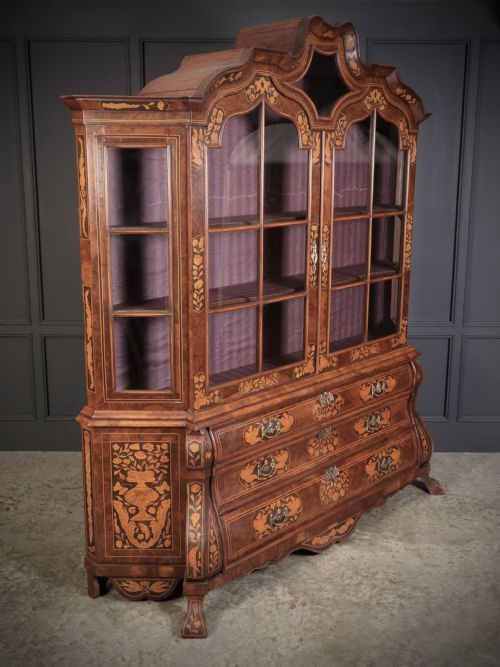
The versions most commonly met on this page span several centuries and regional traditions, featuring forms from simple oak cupboards to grand bombe shaped cabinets. Makers across Europe utilised timber and glass to create functional furniture that doubles as a decorative focal point.
Periods represented stretch from the eighteenth century through the Victorian era and into the early twentieth century. Regional styles include Biedermeier, Dutch Rococo, Italian Provincial, and French Chateau designs.
Materials and construction
Cabinet makers relied on a variety of fine timbers including walnut, rosewood, mahogany, oak, elm, and kingwood. Many surfaces received intricate marquetry inlay, giltwood embellishment, or painted finishes.
Glazing panels are fundamental to the construction, allowing light to illuminate the interior shelves and displayed objects. Brass hardware often secures the doors and drawers of these cabinets.
Continental Vitrine Retail Price Guide 2026
Typical asking prices for continental vitrine among the pieces listed under this phrase on Sellingantiques today, from the lower quarter to the upper quarter. They describe what is for sale here now, not the wider market.
Listings feature items spanning the eighteenth century, the Victorian era, and the early twentieth century, utilising materials such as brass, paint, and giltwood.
Assessing quality
Quality in a continental vitrine is determined by the selection of timber veneers and the precision of the marquetry inlay. Cabinets utilising rich grains of walnut or rosewood display a higher degree of visual depth.
The sophistication of the regional style and the execution of carved giltwood or painted finishes distinguish finer examples. Superior joinery ensures that doors with glazed sides align properly and maintain structural integrity over time.
The Continental Vitrine Glossary
- Vitrine
- A glass-fronted cabinet designed for displaying fine objects or collections. This term originates from the French word for glass.
- Biedermeier
- A central European style from the nineteenth century known for its emphasis on utility and clean lines rather than excessive ornamentation. Furniture from this movement often highlights natural wood grains.
- Bombe
- A swollen or bulging contour found on the sides and front of certain cabinets and chests. This curved shape requires advanced woodworking skill.
- Marquetry
- The art of applying pieces of veneer to a structure to form decorative patterns and pictures. Craftsmen cut different timbers to fit together precisely.
- Bijouterie table
- A glass-topped display table intended for smaller valuables and trinkets. These tables elevate objects of curiosity to eye level.
Continental Vitrine: Frequently Asked Questions
What is a continental vitrine used for?
A continental vitrine is used to display porcelain, silverware, and other cherished objects while keeping them safe behind glass doors. The transparent sides and front allow light to circulate around the displayed items.
Historically, these cabinets served as status symbols in European homes for showing off collections of curiosities and books. Today, they continue to function as primary display furniture in living spaces and dining rooms.
How do I date a continental vitrine?
Dating a continental vitrine involves examining the timber species, construction methods, and stylistic markers such as Biedermeier or Dutch Rococo influences. Eighteenth-century pieces often feature hand-painted surfaces and simpler joinery compared to later Victorian iterations.
Listing details often provide specific century markers or decades based on the hardware, veneers, and overall aesthetic. Comparing the decorative motifs against known regional periods helps narrow down the origin.
Where should I place a vitrine?
A vitrine requires a stable location away from direct sunlight to protect both the timber and the objects displayed inside. Placing the cabinet against a solid interior wall ensures it remains secure and balanced.
Because these cabinets incorporate large glass panels, positioning them near a light source enhances the visibility of the interior contents. Ample clearance around the doors is necessary for easy access.
What woods are common in these cabinets?
Common woods found in continental vitrines include walnut, rosewood, mahogany, oak, and elm. Cabinet makers often used kingwood for decorative veneer work and contrasting details.
Selected timbers frequently reflect the regional workshop origins, such as northern European oak or southern walnut. Painted finishes and giltwood also appear across various provincial styles.