



Continental Silver Ornament
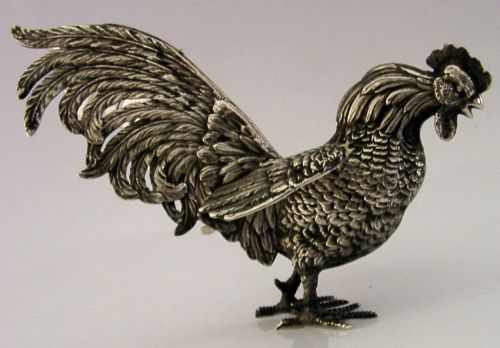
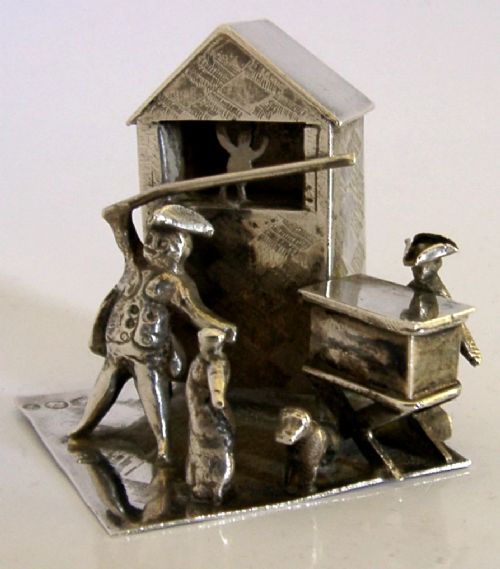
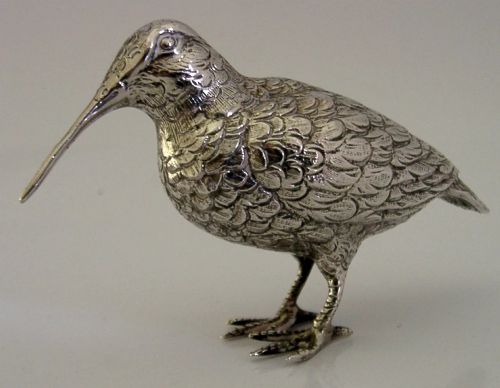
When you handle continental silver ornament pieces, you notice how master metalsmiths turned solid metal into birds, sedan chairs and figures.
Continental Silver Ornament
A continental silver ornament covers detailed decorative figures, miniature models, animal table pieces and functional containers originating from European workshops. When you search for this phrase, you encounter table ornaments, wager cups, sugar boxes, condiment pots and small animal figures.
The selection on this page ranges from 19th Century and Edwardian items to Mid-Century European designs. You find birds such as cockerels, chickens, woodcocks and grouse alongside human figures and novelty models.
Origins span across Germany, the Netherlands, Belgium and France, reflecting distinct regional tastes in European silver work. Animal figurines and miniature table objects dominate the forms available for collectors.
What varies in quality
Quality rests on the crispness of the hand-chased detail and the anatomical accuracy of the figures. Fine examples display deep, sharp feather work on birds or precise architectural moulding on miniature furniture.
Heavier gauge silver and clear hallmarks indicating specific continental standards elevate a piece above standard production. The structural integrity of multi-part figures and the subtlety of the surface finish distinguish superior items.
Continental Silver Ornament Retail Price Guide 2026
Typical asking prices for continental silver ornament among the pieces listed under this phrase on Sellingantiques today, from the lower quarter to the upper quarter. They describe what is for sale here now, not the wider market.
Nothing starts a dinner party quite like a silver cockerel standing ready to judge the table.
Bernard Muller
The Continental Silver Ornament Glossary
- Solid Silver
- Silver content that is uniform throughout the piece rather than plated over a base metal. This term applies to items fashioned entirely from precious metal.
- 833 Silver
- A continental silver standard denoting 833 parts per thousand of pure silver. This fineness frequently appears on items originating from the Netherlands and Germany.
- Jugendstil
- The continental European art movement spanning the late 19th and early 20th centuries, akin to Art Nouveau. It manifests in flowing, organic motifs on decorative silver objects.
- Wager Cup
- A historical drinking vessel used in wedding traditions and festive challenges where a guest drinks from the main cup and a smaller pivoted cup without spilling. Bernard Muller workshops produced notable examples of these novelty vessels.
- Hanau
- A German town renowned for producing intricate silver miniatures and revival pieces during the late 19th and early 20th centuries. Makers there often utilised historic styles from earlier centuries.
Continental Silver Ornament: Frequently Asked Questions
What is a continental silver ornament?
A continental silver ornament is a decorative object, miniature figure or novelty container made by European silversmiths outside of Britain. These pieces range from realistic animal models to ornate miniature furniture and wager cups.
Items often bear continental silver purity marks rather than traditional British hallmarks. They reflect the diverse stylistic movements popular across European nations during the 19th and 20th centuries.
How were silver miniatures used?
Silver miniatures served primarily as decorative table displays, conversational centerpieces or desk accessories in wealthy European homes. Their intricate detail made them objects of curiosity and admiration among collectors.
Some specialised items, such as wager cups and sugar boxes, also played active roles in dining rituals and formal social gatherings. Others functioned as toothpick holders or small condiment pots.
What do silver purity numbers mean?
Numbers like 833 or 830 indicate the proportion of pure silver contained within the alloy, expressed in parts per thousand. Sterling silver, by comparison, contains 925 parts per thousand.
Continental silversmiths frequently utilised these specific lower standards under local legal frameworks. They ensure the metal possesses the necessary durability for detailed casting and chasing.
How do I identify German silver work?
German silver pieces often display stylistic traits from the Renaissance Revival or Jugendstil periods. Workshops in hubs like Hanau specialised in retrospective decorative items and miniatures.
Examining the purity marks and specific animal or architectural forms helps pinpoint German origin. Master mark stamps also assist in tracing the piece to a particular workshop.