




Continental Bed
A continental antique bed brings European craftsmanship into the bedroom through substantial walnut frames, painted metals, and ornate regional styles.
Continental Bed
A continental antique bed encompasses wooden bedsteads, iron frames, and headboards originating from European workshops across the eighteenth, nineteenth, and early twentieth centuries. These pieces reflect diverse regional tastes, ranging from the elaborate curves of Italian Rococo to the clean geometry of Art Deco designs.
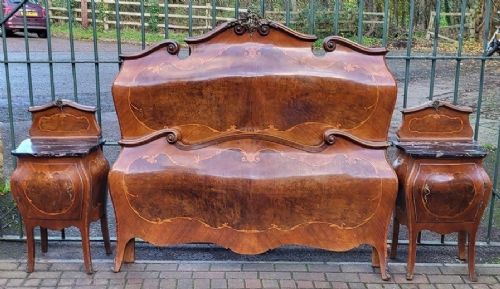
The versions most frequently met on this page are walnut single and king size beds from around nineteen hundred, alongside painted metal and wrought iron alternatives. Buyers also encounter companion pieces such as bedside cabinets, bed crowns, and decorative figurines associated with bedroom furnishings.
Materials and construction methods
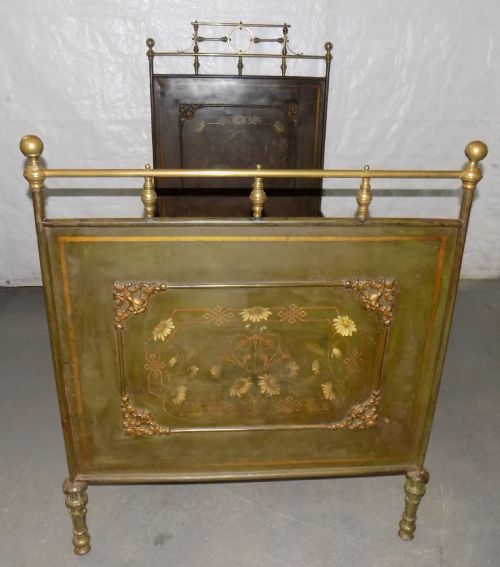
Makers utilised solid timbers like walnut and burr walnut, often shaping the wood into carved panels, bombe structures, or polished headboards. Iron and toleware provide the metallic framework for forged beds, while paint, gold leaf, and painted leather panels add surface decoration.
Joinery techniques ranged from traditional cabinetmaking for wooden bed frames to hot forging for wrought iron and shaped metal bedsteads. Upholstered or painted elements were integrated directly into the wooden or iron structures to achieve distinct regional aesthetics.
Continental Bed Retail Price Guide 2026
Typical asking prices for continental bed among the pieces listed under this phrase on Sellingantiques today, from the lower quarter to the upper quarter. They describe what is for sale here now, not the wider market.
One porcelain figurine captures a domestic scene titled 'The Last in Bed to Put Out the Light'.
Distinctions in quality
The standard of a continental antique bed rests on the depth of the timber carving, the choice of figured walnut veneers, and the integrity of the original painted finishes. Superior examples display balanced proportions, clean joinery, and well-preserved decorative details like gold leaf or leather inserts.
Lesser pieces show simpler construction, heavy alterations to fit modern mattresses, or worn surfaces that have lost their original patination. The presence of matching bedside cabinets or integrated furniture components elevates the coherence of the bedroom set.
The Continental Bed Glossary
- Bedstead
- The framework of a bed, comprising the headboard, footboard, and side rails that support the mattress base. In continental pieces, these frames often feature prominent wooden carving or shaped metalwork.
- Bombe
- A furniture shape characterised by outward-curving, swelling surfaces that bulge outward towards the base. This technique required advanced woodworking skills, particularly when applied to walnut bedroom furniture.
- Toleware
- Enamelled or lacquered metalware, typically tinplate, decorated with paint or gilt. Austrian and continental makers utilised this technique for durable yet decorative bedstead components.
- Bed Crown
- A decorative wooden or fabric canopy framework mounted above a bed to support drapery. Eighteenth-century Italian versions often display elaborate carved detail.
- Rococo Revival
- A nineteenth-century style drawing on eighteenth-century Rococo motifs, featuring asymmetric scrollwork, naturalistic plant forms, and C-scrolls. It appears frequently on walnut bed frames from this era.
Continental Bed: Frequently Asked Questions
How do I choose the right size continental bed?
Continental sizing often differs slightly from standard British measurements. Check the listed dimensions carefully before purchasing a bedstead to ensure compatibility with modern mattresses.
Many continental frames, particularly from the nineteenth and early twentieth centuries, accommodate custom or European standard mattress sizes rather than standard UK widths.
Can these antique beds be used every day?
Most wooden and iron bedsteads are structurally robust enough for daily use. Traditional frames may require discreet modern reinforcement or custom slats to support contemporary mattresses safely.
Consult the frame construction details to understand how the side rails and headboards connect before setting up the bed for regular sleeping arrangements.
How do I care for walnut and painted bed frames?
Walnut surfaces benefit from occasional application of quality furniture wax to maintain the grain and prevent the timber from drying out. Avoid placing wooden beds in areas with direct sunlight or fluctuating humidity.
Painted metal, toleware, and original paint effects require gentle dusting with a dry cloth, avoiding harsh chemical cleaners that might lift historic pigments.
What periods do these continental beds come from?
The listings span from the eighteenth century through the nineteenth century and into the early twentieth century, including Art Deco pieces from the nineteen-thirties. Each era brings distinct decorative vocabularies, from Italian Rococo carvings to streamlined nineteen-twenties painted leather panels.
Earlier eighteenth-century pieces often focus on architectural elements like bed crowns, whilst nineteenth and twentieth-century listings provide complete bedsteads and headboards.