


Compact Dresser
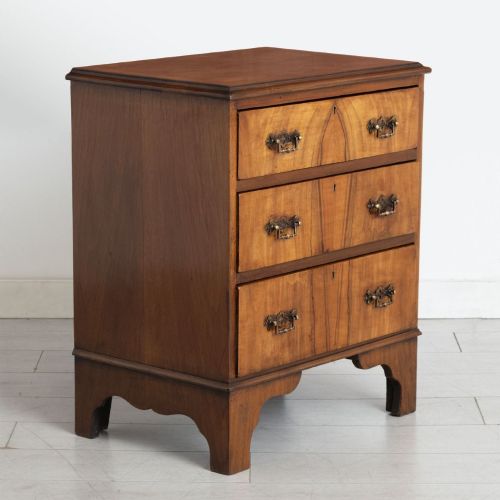
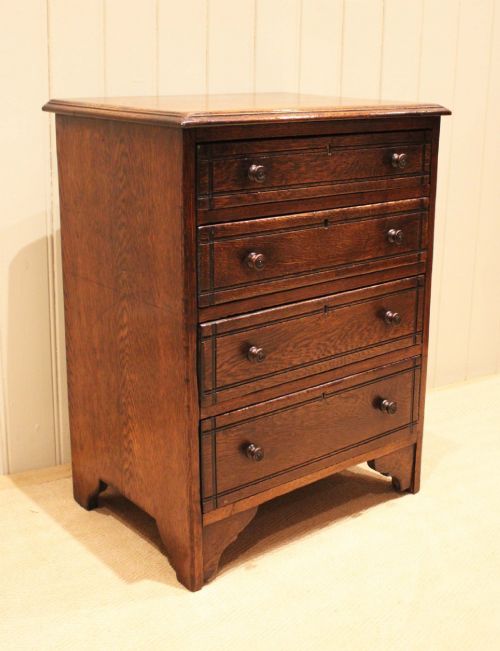
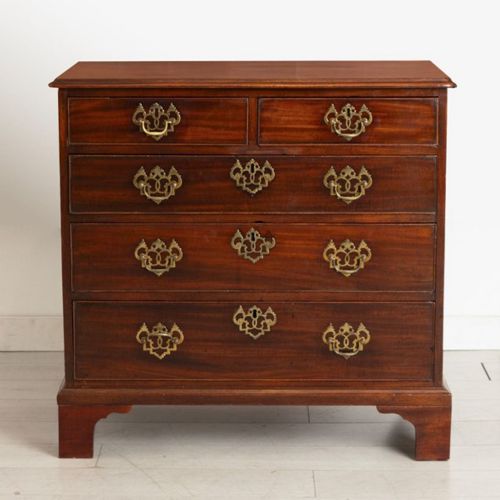
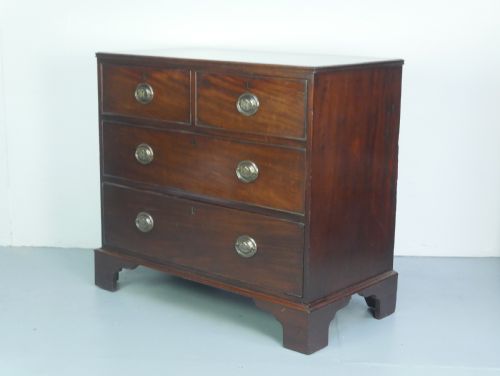
A compact antique dresser or small chest offers practical storage in scaled-down dimensions suited to tighter rooms.
Compact Dresser
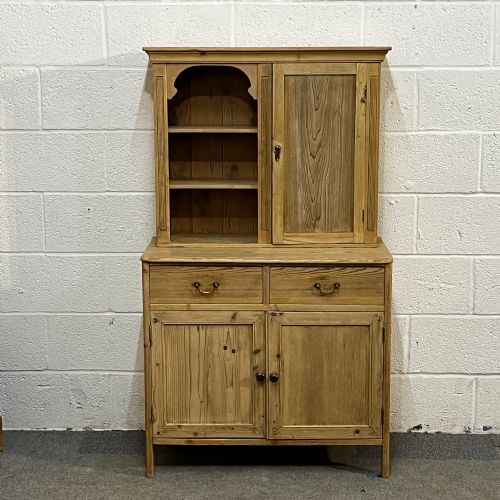
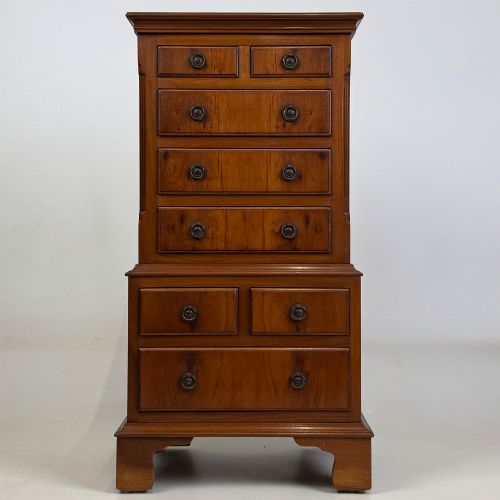
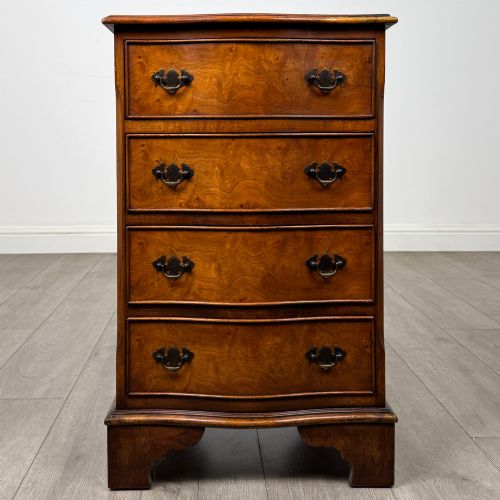
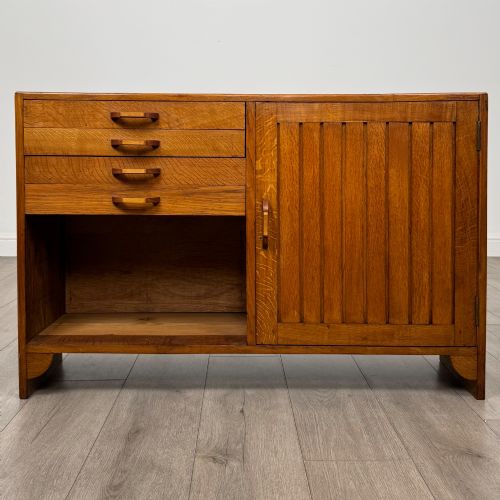
A compact antique dresser or chest of drawers meets the need for scaled storage within limited floor space, spanning periods from the late seventeenth century through to the Art Deco era. Buyers examining this search phrase encounter pieces designed with reduced widths and shallow depths, ranging from kitchen dressers with plate racks to neat drawer chests, bachelor pieces, and sideboards.
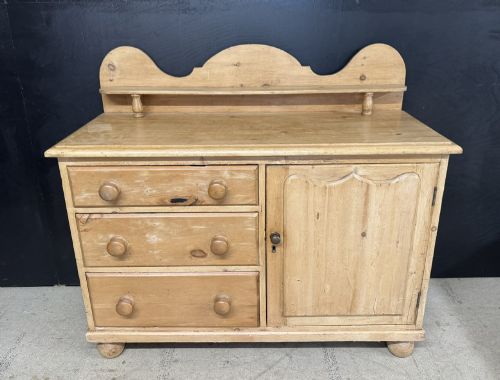
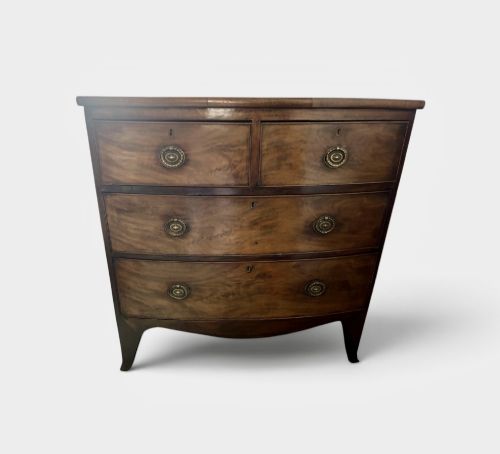
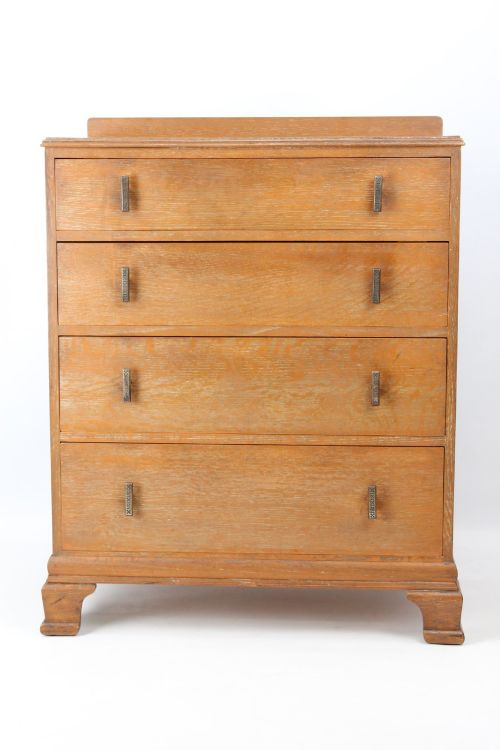
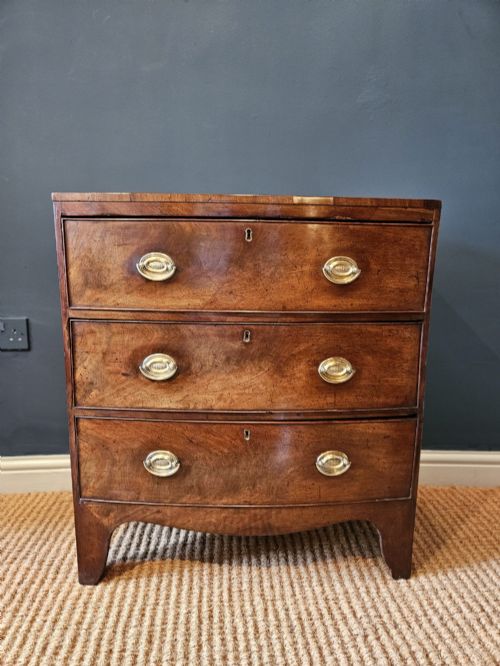
The selection on this page demonstrates considerable variety in form and origin, encompassing Georgian mahogany bachelor chests, Victorian pine kitchen dressers, Regency bow front designs, and Edwardian narrow drawer units. Makers and workshops from London to Lancashire produced these smaller pieces to fit modest chambers without sacrificing the presence of larger period furniture.
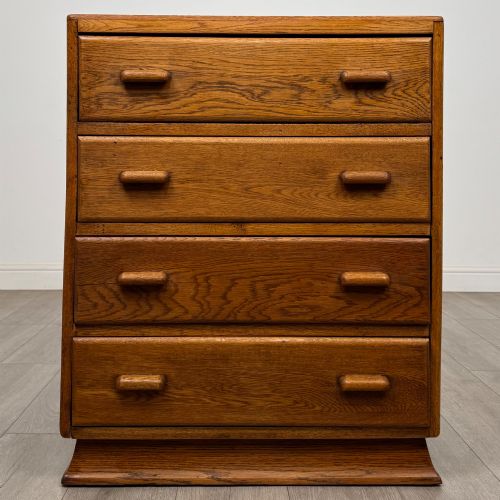
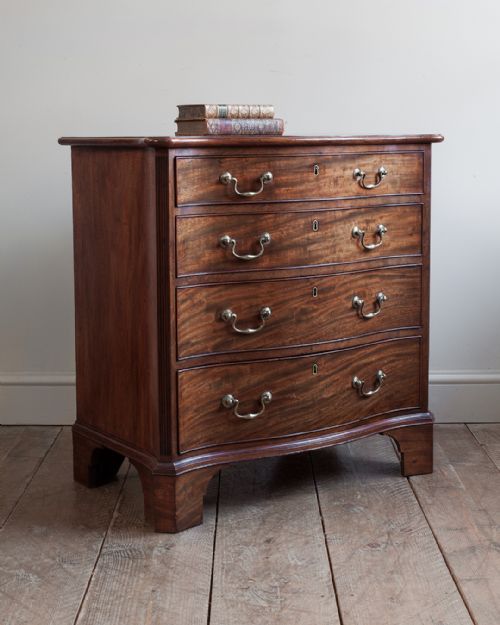
Solid oak, mahogany, pine, and burr walnut dominate the construction of these items, often finished with original brass handles, bracket feet, or serpentine fronts. Whether searching for a rustic farmhouse pine dresser or a refined figured walnut chest, the options balance traditional craftsmanship with reduced proportions.
Materials and construction methods
Cabinet makers utilised timber selections such as mahogany, oak, pine, and walnut, often employing figured veneers like burr walnut or oyster olive wood on primary display surfaces. Solid timbers provided structural stability for smaller carcasses while allowing craftsmen to shape bow fronts, block fronts, and serpentine profiles.
Joinery techniques relied on dovetailed drawer construction, pegged joints, and solid timber backs and drawer linings. Brass hardware, including drop handles and backplates, was fitted by hand to complement the grain and colour of the wood.
Listings feature compact pieces spanning from the seventeenth century through to the 1930s, constructed in mahogany, oak, pine, and walnut.
Factors influencing quality and desirability
The hierarchy of quality rests upon the fidelity of the timber figure, the crispness of carved or moulded details, and the preservation of original surfaces and hardware. Pieces retaining their original brass handles, bracket feet, and uncompromised polish command greater attention from collectors.
Proportion and scale dictate the appeal of a compact piece, where subtlety in the curve of a bow front or the neatness of a serpentine edge distinguishes superior workshop output from standard production.
Heals of London·Gillows of Lancaster·René Lalique
The Compact Dresser Glossary
- Bow front
- A convex curved cabinet front that projects outwards in the centre. This shape gained popularity during the Regency and Georgian periods to soften room angles.
- Bachelor chest
- A small drawer chest equipped with a fold-over top or slide used as a writing surface. These versatile pieces served multifunctional roles in compact bedchambers.
- Serpentine front
- A furniture front featuring a concave centre flanked by two convex ends, resembling a winding line. Executing this profile required exceptional skill from the cabinet maker.
- Bracket foot
- A simple architectural foot supporting the corners of a case piece, shaped like a bracket and mitered at the corner. They appear frequently on Georgian and 18th-century chests.
- Wellington chest
- A tall, narrow chest of drawers secured by a locking side flap that fastens over the drawer edges. Named after the Duke, this form maximised vertical storage in tight spaces.
Compact Dresser: Frequently Asked Questions
What defines a compact antique dresser?
A compact antique dresser or chest is characterised by reduced overall dimensions, typically featuring a narrower width and shallower depth than standard case furniture. These pieces were built to fit smaller chambers and hallways while maintaining full functional storage capacity.
Cabinet makers achieved these reduced proportions across various historical periods, producing items ranging from pine kitchen dressers to refined mahogany drawer chests and sideboards.
How do I identify a Georgian small chest?
Georgian small chests are usually constructed from dense mahogany or oak, displaying hand-cut dovetails and traditional bracket feet or plinth bases. Look for timber with a rich, natural patina and genuine period brass hardware fixed with hand-turned screws.
Proportions on authentic Georgian examples remain balanced and neat, avoiding the bulky appearance sometimes found in later revival pieces.
Where were small dressers used historically?
Historically, compact dressers and chests served functional storage roles in smaller bedrooms, dressing rooms, and secondary parlours where large furniture would overwhelm the floor plan. Kitchen variants held everyday ceramics and dry goods in farmhouses.
Their versatility made them indispensable for storing linens, personal garments, and writing materials in domestic interiors with limited square footage.
Are pine dressers durable?
Pine dressers constructed in the nineteenth and early twentieth centuries utilise softwood timbers that offer robust utility despite softer surfaces. Regular use develops a characteristic surface wear and warm patina that reflects their practical origins in country houses.
Solid pine construction ensures these pieces withstand daily household duties while remaining lighter to move than hardwood equivalents.
What is the difference between oak and mahogany pieces?
Oak furniture typically dates from earlier periods like the seventeenth and eighteenth centuries, displaying pronounced grain patterns and pale to medium brown tones. Mahogany gained favour later for its fine grain, reddish-brown hue, and ability to hold crisp carved details.
While oak pieces often project a rustic or vernacular character, mahogany items generally align with formal Georgian and Regency aesthetics.