




Commercial Trade Signage
Commercial trade signage brings authentic historic commerce into modern spaces through hand-painted timber, glass, and iron pieces made to advertise businesses.
Commercial Trade Signage
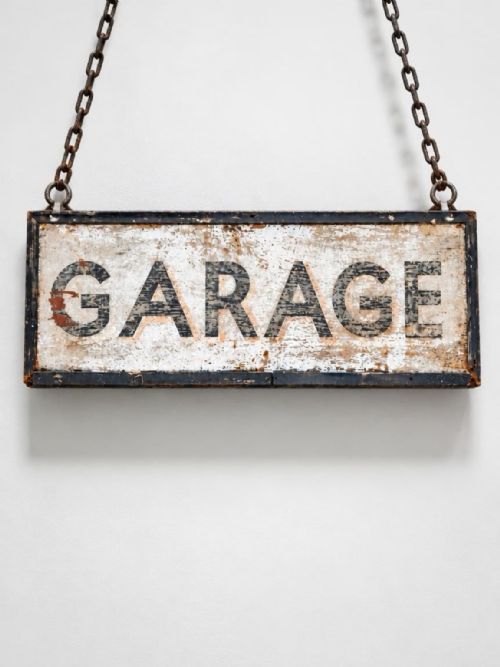
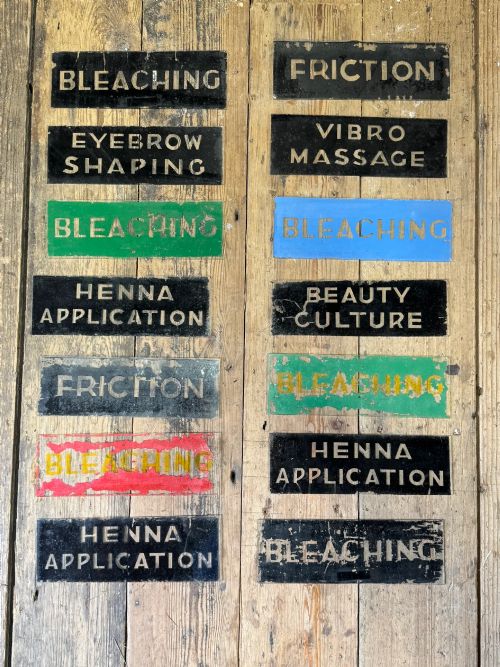
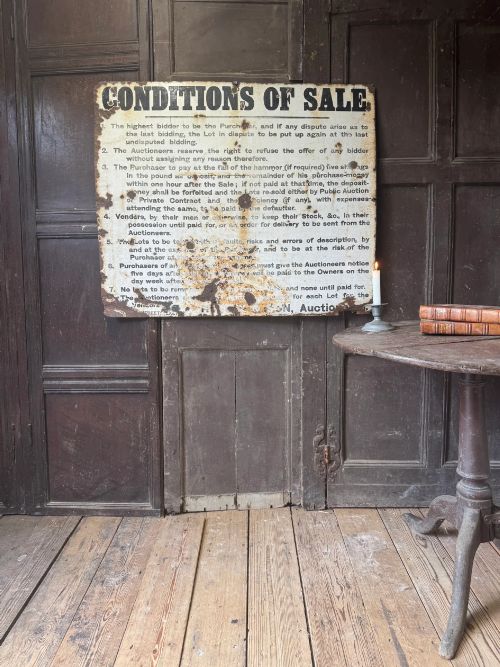
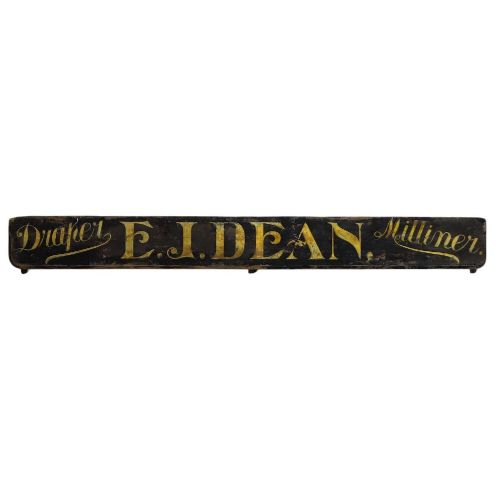
Commercial trade signage encompasses wall signs, standing signs, and architectural salvage produced across the Victorian, Edwardian, and mid-century periods. These items served tradesmen, professionals, and retailers by displaying services, conditions of sale, or shop names to the public.
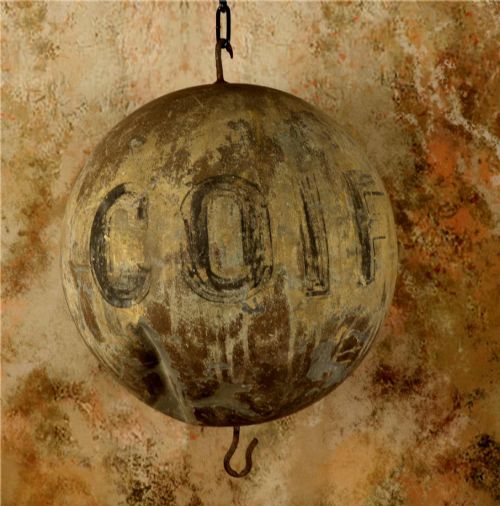
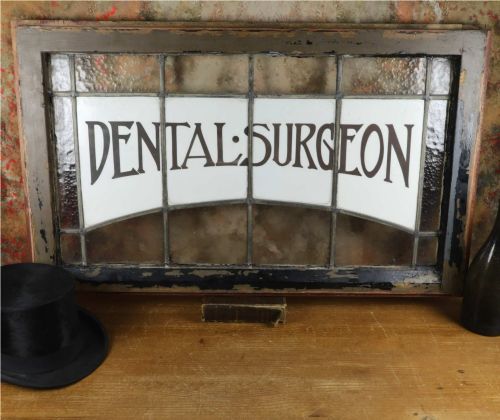
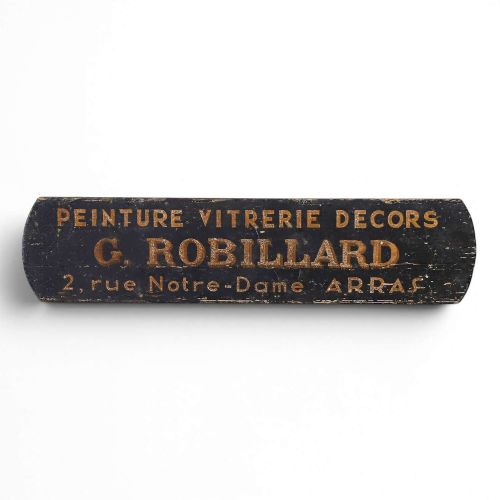
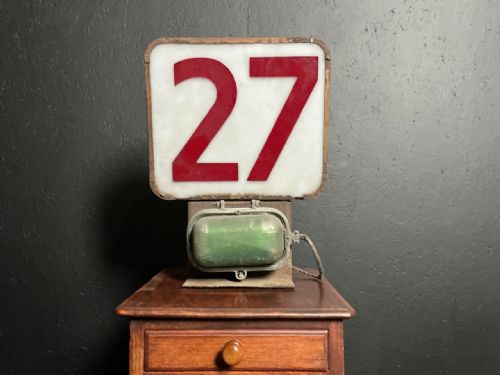
Buyers will most frequently encounter painted wooden boards, glass window panels, and metal hanging pieces originating from British and French workshops. The selection spans specific professions such as dentistry, pharmacy, tailoring, and pawnbrokering.
Dating ranges from the nineteenth century through the interwar years and into the 1950s, reflecting the shifting advertising methods of high street merchants. Surviving examples retain their original lettering, decorative motifs, and mounting hardware.
Materials and construction techniques
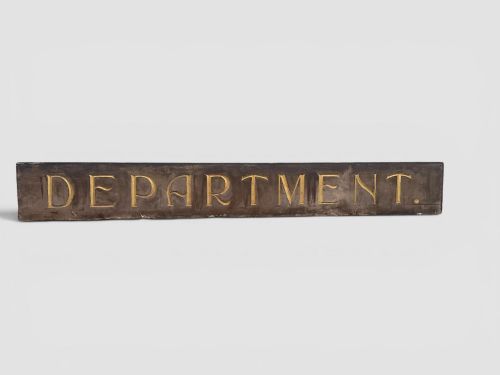
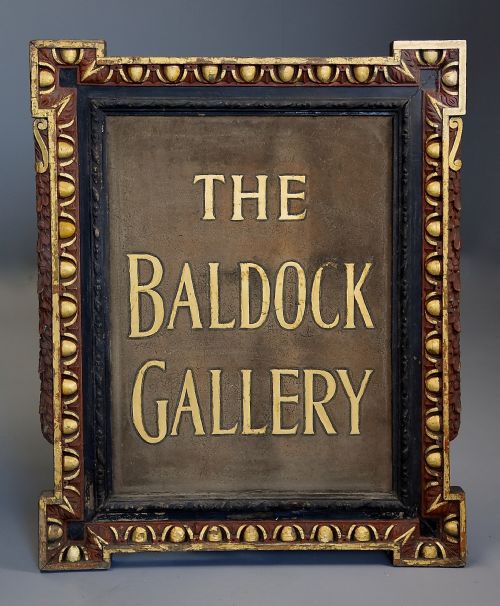
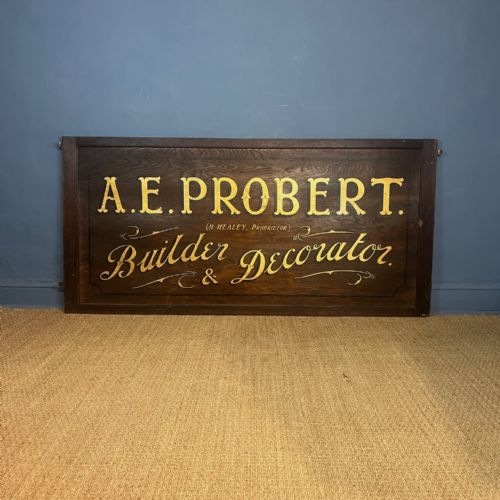
Makers utilised pine, oak, and other timbers as grounds for hand-painted lettering, often incorporating carved details or gilded accents. Glass elements frequently employ reverse-painting and cutting techniques to protect the pigment behind the transparent surface.
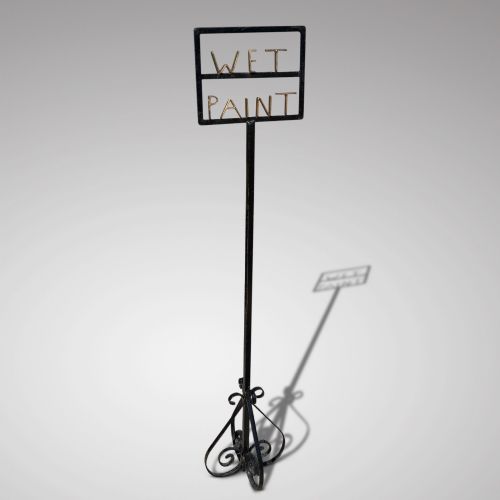
Metal components involve wrought iron, cast iron, beaten copper, and lead, shaped into hanging brackets, frames, and embossed panels. Paint application relied on durable oil-based pigments designed to withstand exterior weathering.
Commercial Trade Signage Retail Price Guide 2026
Typical asking prices for commercial trade signage among the pieces listed under this phrase on Sellingantiques today, from the lower quarter to the upper quarter. They describe what is for sale here now, not the wider market.
Periods represented include Victorian, Edwardian, Belle Epoque, 1900, 1910, 1920, 1930, and 1950.
Assessing quality in trade signs
Quality rests upon the crispness of the hand-lettering, the harmony of the typography, and the integrity of the original surface. Signs executed by skilled tradesmen display confident brushwork and balanced composition that elevate simple utilitarian objects into folk art.
The preservation of original frames, gilding, and mounting hardware distinguishes superior survivors from later remade or heavily restored pieces. Depth of character, such as authentic weathering and genuine wear from decades of street use, dictates desirability.
J. and H. Keyworth and Co
The Commercial Trade Signage Glossary
- Reverse-painted glass
- A technique where lettering and imagery are applied to the back of a glass panel so they appear correctly from the front. This method protects the paint from dirt and damage.
- Gilding
- The application of gold leaf to wood or metal surfaces to create brilliant lettering that catches the light. It was commonly used on high-end professional and retail signage.
- Architectural salvage
- Building elements and fixtures rescued from structures slated for demolition. This category includes hanging signs, brackets, and panels removed from historic shopfronts.
- Folk art
- Utilitarian items made by self-taught or local artisans without formal academic training. Trade signs often fall into this category due to their direct, unpretentious execution.
Commercial Trade Signage: Frequently Asked Questions
How were commercial trade signs mounted?
Signs used iron brackets, wooden frames, or direct wall fixings depending on whether they projected above a pavement or hung in a window.
Interior examples often relied on simple hanging chains or sat within dedicated wooden surrounds.
What trades are represented on these signs?
The evidence records professions including dentistry, pharmacy, drapery, locksmithing, pawnbroking, and auctioneering.
Signage also advertised specific establishments such as art galleries, hair salons, and public houses.
How do I date an antique trade sign?
Dating relies on the substrate materials, the style of the lettering, and the construction methods used in the frame or fixings. Victorian and Edwardian pieces show different typographic conventions compared to 1950s metal panels.
Are trade signs suitable for outdoor display?
Most historic signs were originally built for exterior conditions using oil paint and robust timber or metal. However, prolonged modern weathering can degrade fragile original paintwork and exposed wood.