

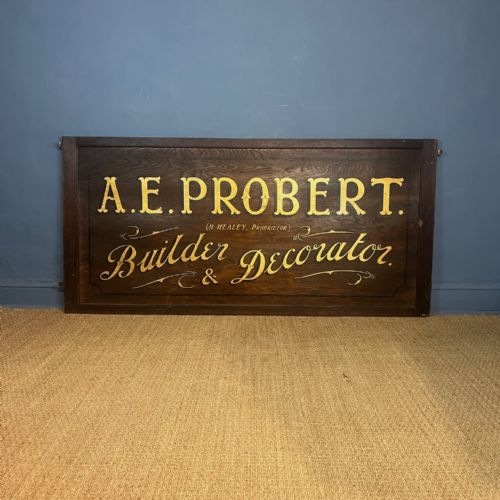
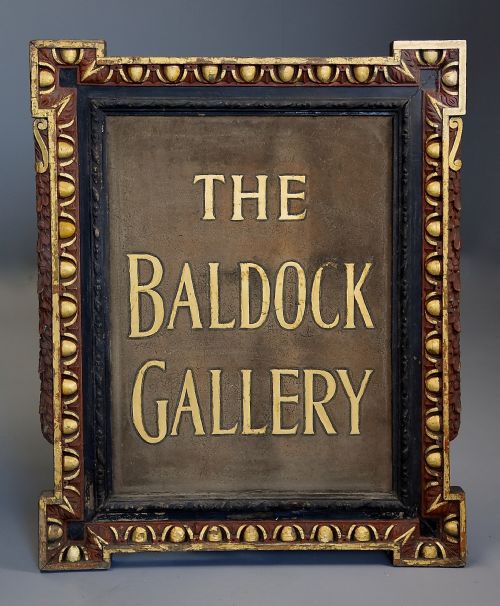
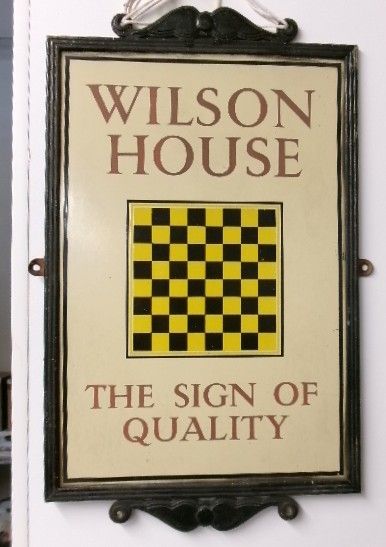


Commercial Pub Sign
A commercial pub sign commands attention on a wall, bringing the bold letterforms and rich history of British trade straight into a room.
Commercial Pub Sign
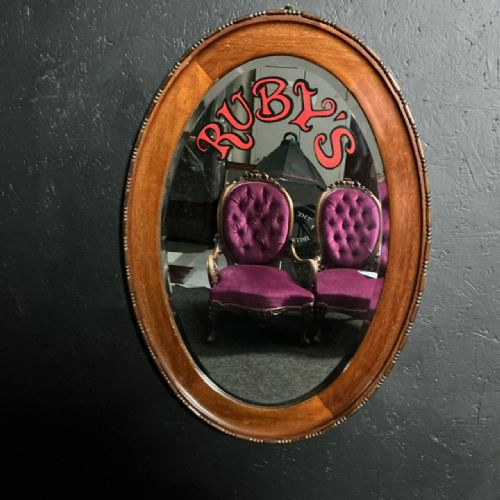
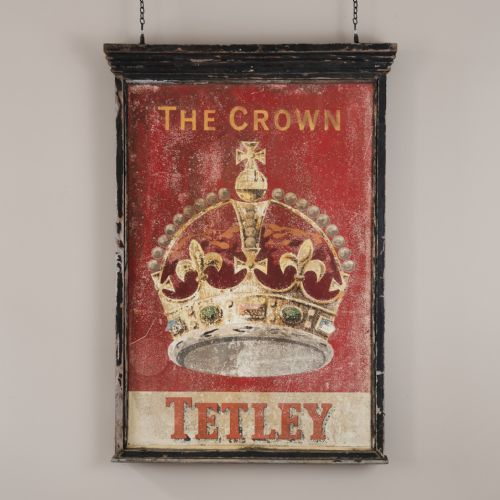
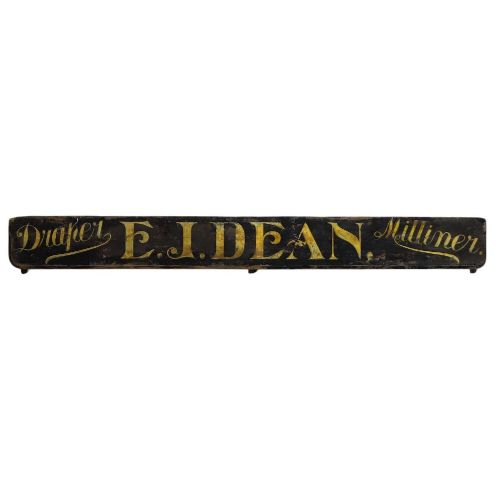
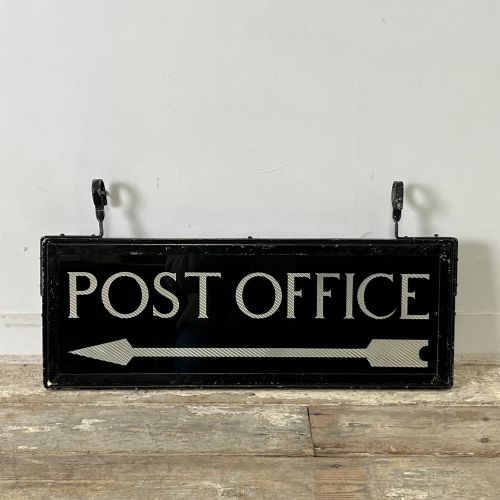
When you search for a commercial pub sign, you are looking at substantial pieces of trade history designed to catch the eye from the street. The versions most likely to meet you on this page range from Victorian and Edwardian examples to 1920s and 1930s advertisements, spanning trade signs, wall mirrors, and hanging boards.
The materials reflect the practical needs of public houses and shops, utilising paint, glass, metal, and wood to withstand the elements or busy interiors. Forms vary from double-sided hanging signs to etched windows and framed enamel panels, each carrying the distinct character of British commerce.
How they were made
Signwriters and craftsmen built these pieces using durable woods like oak and pine, alongside robust metals such as iron and wrought iron for hanging brackets and frames. Surfaces were then hand-painted, carved, or gilded with gold leaf to ensure the lettering remained legible in fading light.
Glass panels were often etched, cut, or painted on the reverse to create gleaming advertisement mirrors for tobacco, spirits, and local services. Cast bronze and enamel also appear, providing a resilient finish designed for constant exposure in public spaces.
Commercial Pub Sign Retail Price Guide 2026
Typical asking prices for commercial pub sign among the pieces listed under this phrase on Sellingantiques today, from the lower quarter to the upper quarter. They describe what is for sale here now, not the wider market.
What varies in quality
The standard of lettering and pictorial detail sets the finer pieces apart from standard utility signage. Hand-painted brushwork with crisp proportions and careful shading shows the hand of a skilled signwriter rather than a hurried trade painter.
The integrity of the original materials, such as undisturbed gold leaf, authentic surface wear on wood, and untouched etched glass, dictates the character of the piece. Substantial framing and robust ironwork also elevate the presence of surviving examples.
The Commercial Pub Sign Glossary
- Gold leaf
- Beat gold applied to sign surfaces for lettering and ornamentation. It catches the light differently than modern metallic paint and retains a warm glow over decades.
- Reverse painting
- A technique where paint and gold leaf are applied to the back of glass so the image is viewed through the polished front. This protects the pigments from dust and cleaning.
- Wrought iron
- Iron beaten into shape while hot by a blacksmith, commonly used for structural hanging brackets. Its fibrous structure allows it to bear the weight of heavy double-sided boards in the wind.
- Enamel sign
- A metal panel fused with powdered glass at high heat. This creates a glossy, weather-resistant surface that holds its colour outdoors for generations.
- Architectural salvage
- Elements rescued from buildings scheduled for alteration or demolition. It includes trade signs, windows, and door furniture removed before the property was dismantled.
Commercial Pub Sign: Frequently Asked Questions
Where were commercial pub signs displayed?
These signs were mounted on exterior brackets above doorways or painted directly onto windows to attract passing trade from the street.
Inside, smaller advertising mirrors and trade signs were placed behind bars or along walls to advertise specific brands to patrons.
How do I hang a heavy hanging sign?
Hanging a double-sided sign requires securing the iron bracket directly into structural timber or masonry using heavy-duty fixings.
Ensure the weight is supported evenly so the movement of the sign does not loosen the fixings over time.
How do I clean an old glass sign?
Clean antique glass and mirrors gently with a soft microfibre cloth and a mild, non-ammonia cleaner sprayed onto the cloth first.
Avoid touching painted or gilded areas on the reverse of the glass, as moisture can seep behind unprotected edges.
Can these signs be hung outdoors?
Most surviving signs constructed from wood and iron were originally built for external use, but prolonged modern weather exposure can accelerate decay.
Sheltered outdoor locations or interior display will better preserve original paintwork, gold leaf, and delicate wooden frames.