



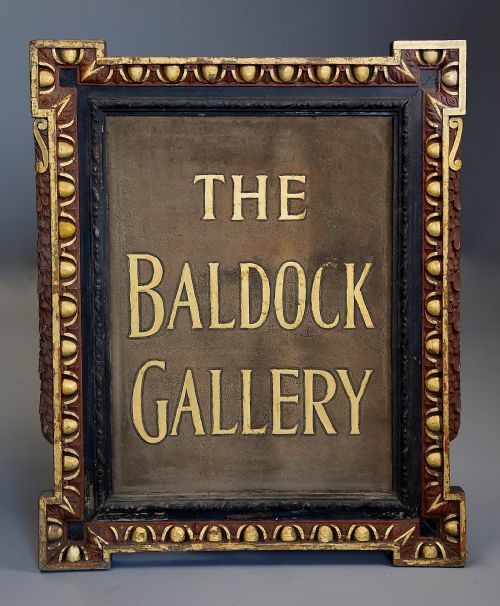
Commercial Painted Sign
A commercial painted sign carries the weathered authority of past commerce on wood, glass, and metal.
Commercial Painted Sign
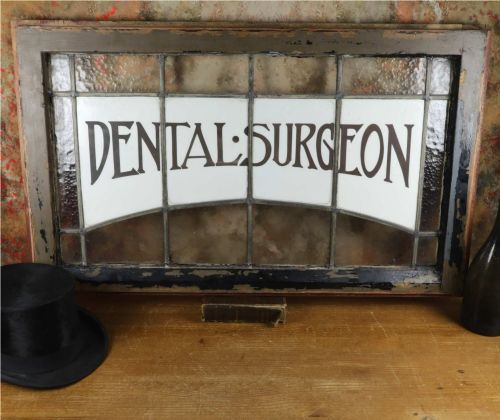
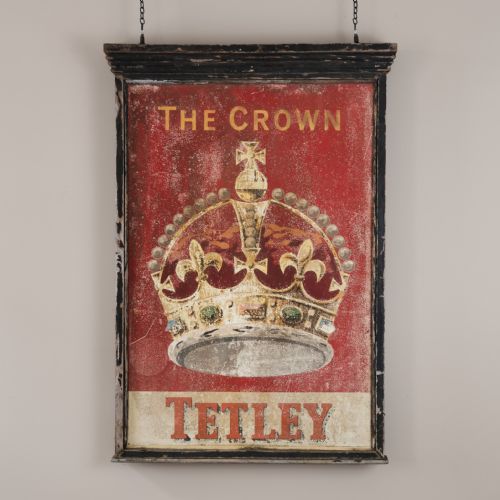
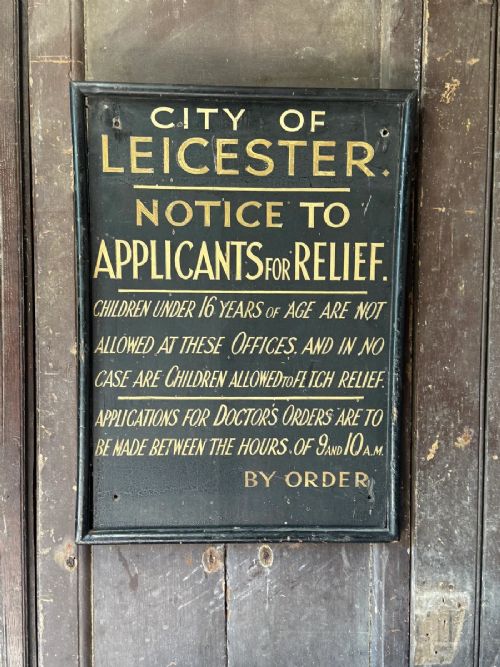
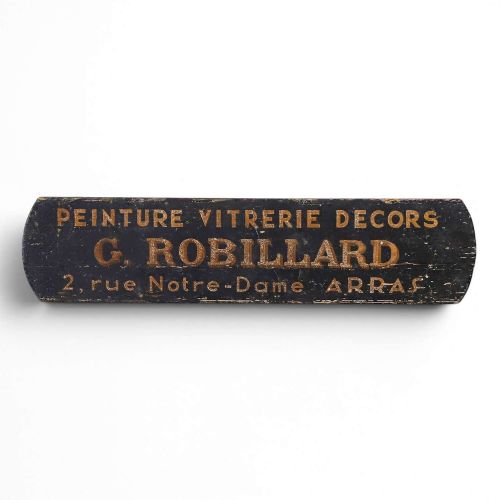
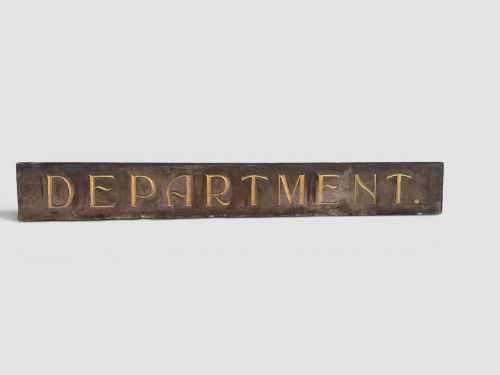
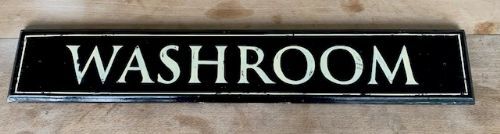
A commercial painted sign serves as a surviving artefact of trade, bridging the gap between utilitarian business markers and folk art. When searching for a commercial painted sign, collectors encounter diverse forms including wall boards, hanging pub markers, and window panels.
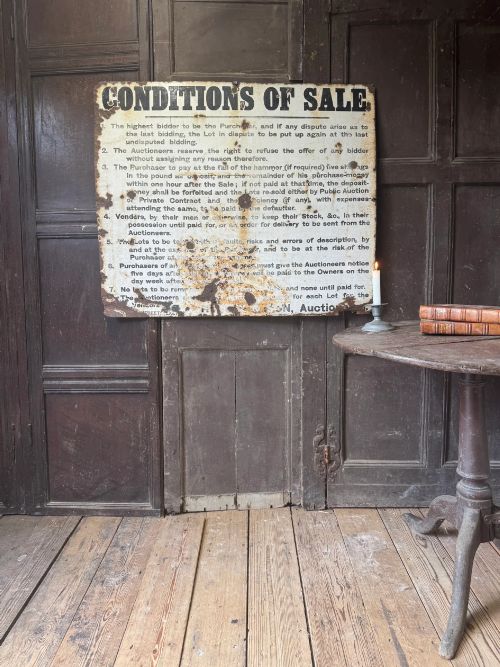
The pieces on this page span from the Victorian and Edwardian eras into the mid-twentieth century. Wooden trade boards, glass pharmacy panels, and metal auction signs dominate the selection.
Origins range from British high streets to French provincial shops and Scandinavian boutiques. Specific trades represented include dentistry, milling, tailoring, and hospitality.
Materials and Construction
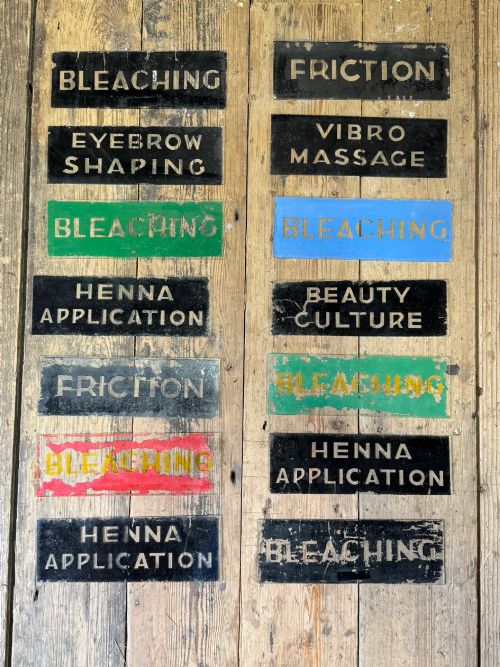
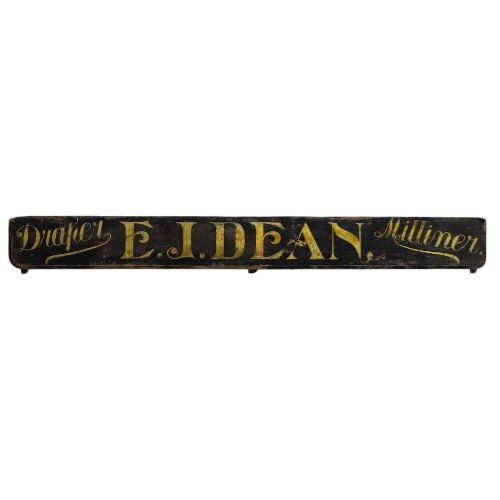
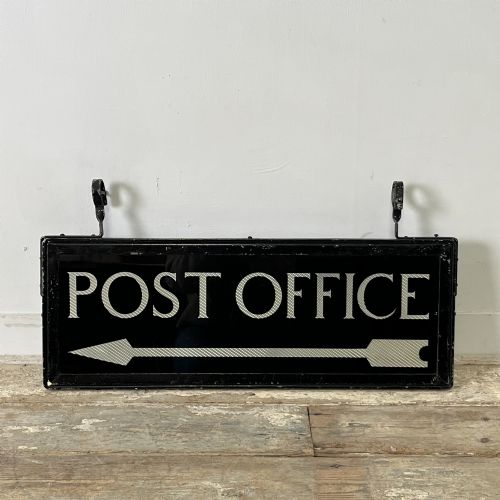
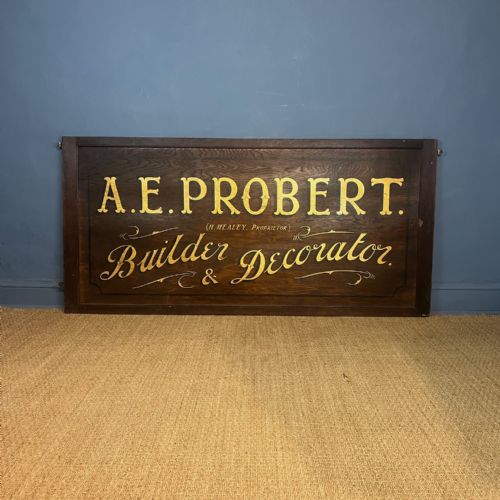
Makers utilised pine, oak, and mahogany as foundations for wooden trade boards, applying oil paint and occasionally gold leaf directly to the timber. Glass signs often employed reverse-painting techniques or etched surfaces to create lasting shopfront displays.
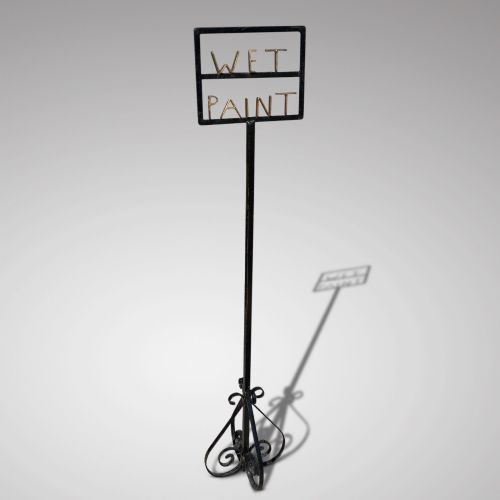
Metal items incorporate iron, sheet metal, and wrought iron frameworks built to withstand exterior conditions. Carved wooden elements and shop display models combine carpentry with sculptural paintwork to advertise specific commodities.
Listings incorporate items spanning the nineteenth century through the 1950s, utilising pine, oak, iron, glass, and gold leaf.
Judging Quality
Quality rests upon the crispness of the sign-writing and the integrity of the original painted surface. Pieces that retain their uncleaned, untouched patina command greater attention than those with later repainting.
The sophistication of the lettering, whether simple block capitals or elaborate gilded serif fonts, dictates the visual impact of the work. Structural stability in the framing wood or glass panel further separates standard utility pieces from exceptional examples.
The Commercial Painted Sign Glossary
- Reverse-painted glass
- A technique where paint and gold leaf are applied to the back of a glass panel so the image reads correctly from the front. This method protects the pigments from weather and wear.
- Gold leaf
- Beaten gold used for lettering and highlights on signage. It catches ambient light and resists tarnishing over decades.
- Trade sign
- An exterior or interior marker denoting a specific profession or merchant. These items often take the shape of the goods sold, such as loaves or boots.
- Sign-writing
- The traditional craft of painting letters by hand for commercial purposes. Skilled practitioners achieved balanced kerning and proportion without modern mechanical aids.
- Patina
- The surface ageing, wear, and oxidation acquired by materials over time. It indicates genuine age and historic use.
Commercial Painted Sign: Frequently Asked Questions
How were these signs mounted originally?
Most wooden boards and glass panels hung inside windows or fixed flat against exterior brickwork using iron brackets. Hanging pub markers suspended from wrought iron arms perpendicular to the building facade.
Heavier metal and carved wooden items required sturdy structural fastenings to support their substantial weight in busy street environments.
Can these signs hang outdoors today?
While originally built for exterior use, historic paint, wood, and reverse-painted glass degrade rapidly under modern weather conditions. Protecting them from moisture and direct sunlight preserves the remaining pigment.
Interior display ensures these fragile surfaces survive without further flaking or oxidation.
How do I date a painted sign?
Lettering styles, framing methods, and underlying materials provide primary clues for dating. Victorian and Edwardian examples often feature serif typography and solid pine or mahogany backboards.
Mid-century pieces tend to utilise sheet metal or simplified sans-serif fonts reflecting changing commercial aesthetics.
What trades are most common?
Food and drink establishments, including pubs, butchers, and bakers, generated significant demand for permanent advertising. Medical professions such as dentistry and pharmacy also produced notable glass and wood signage.
Retailers like drapers, milliners, and shoemakers round out the most frequently encountered trades.