






Commercial Metal Sign
A commercial metal sign carries the honest weight of past trade, offering enduring character to modern spaces.
Commercial Metal Sign
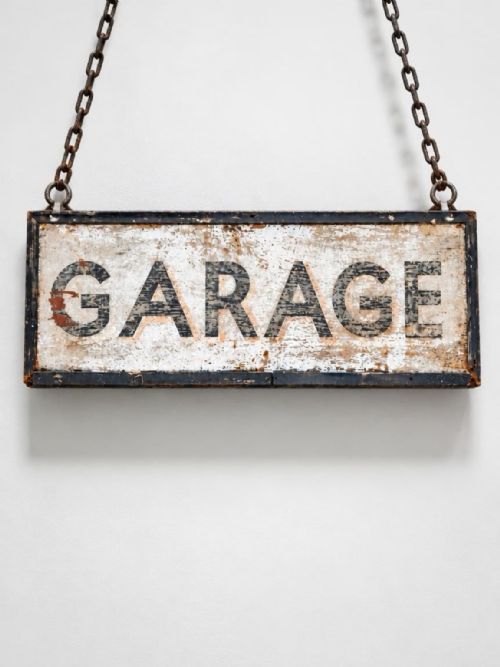
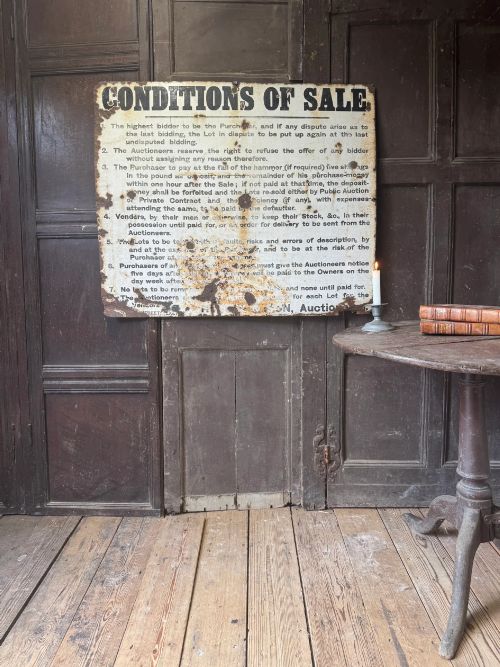
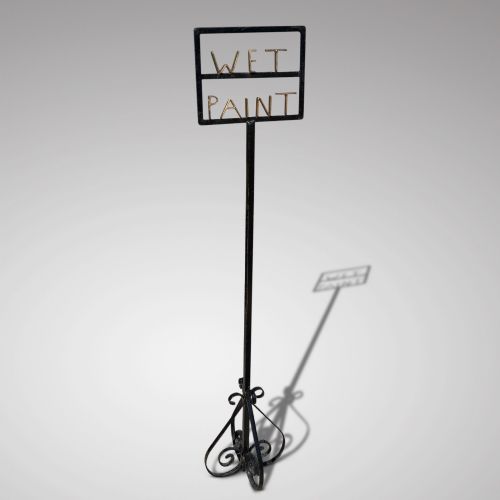
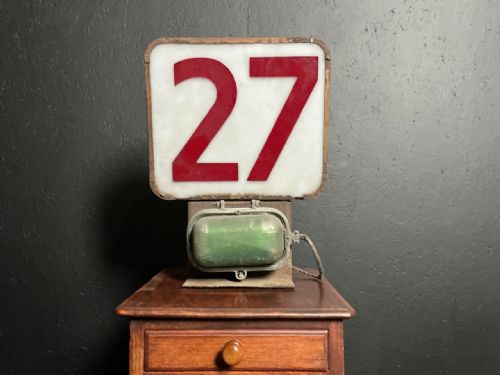
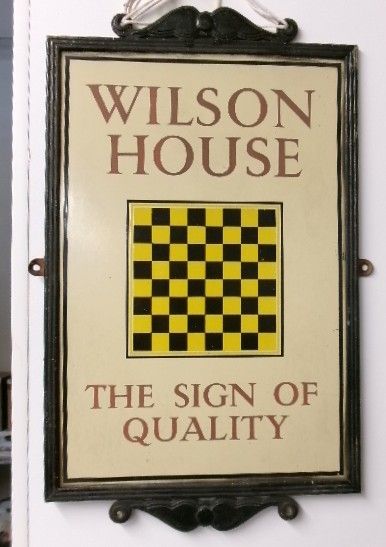
A commercial metal sign serves as a robust artefact of past commerce, encompassing wall signs, trade signs, and advertising pieces. When exploring this category, buyers encounter items that once marked local shops, railway stations, and businesses across various decades.
The selection on this page ranges from Victorian pieces to mid-century examples, featuring specific trade notices, chemist signs, and pub markers. These objects translate functional street furniture and shop displays into tangible history.
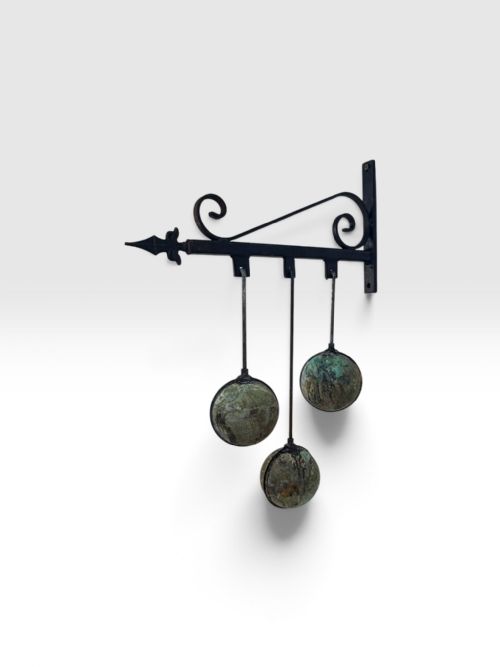
Forms vary from flat wall signage to hanging pub markers, double-sided shop signs, and shaped trade pieces like pocket watches. Each piece reflects the specific commercial identity and everyday utility of its original setting.
Materials and construction
Makers utilised durable base materials such as iron, sheet metal, wrought iron, and copper to withstand external weathering and daily use. These metals often received protective or decorative coatings including paint and vitreous enamel.
Vitreous enamel fused glass powder onto metal surfaces through high-temperature firing, creating glossy, weather-resistant advertising boards with lasting colour. Painted metal and hand-lettered finishes provided alternative methods for clear public communication.
Structural elements incorporated forged iron brackets, cast components, and glass inserts where mirrors or specialised displays were required. This combination of robust metalwork and applied finishes ensured long-term survival in commercial environments.
Commercial Metal Sign Retail Price Guide 2026
Typical asking prices for commercial metal sign among the pieces listed under this phrase on Sellingantiques today, from the lower quarter to the upper quarter. They describe what is for sale here now, not the wider market.
Listings span from the late Victorian era through the Edwardian period and into the mid-twentieth century.
Assessing quality and character
Quality in these pieces rests upon the integrity of the original signage technique, whether through the crisp firing of vitreous enamel or the skill of the signwriter's brush. Stronger examples maintain clear typography and balanced compositions that communicate their commercial purpose effectively.
The degree of original surface preservation distinguishes standard utilitarian boards from exceptional survivors. Pieces retaining their authentic frames, hanging brackets, or double-sided mounting hardware offer a more complete representation of their original shopfront context.
Smiths of London·Josef Herzog·J. and H. Keyworth and Co
The Commercial Metal Sign Glossary
- Vitreous enamel
- A durable glass coating fused to sheet metal under high heat, providing a smooth, glossy surface resistant to weather and wear. This technique was standard for outdoor advertising and railway signs.
- Trade sign
- A functional object or board displayed outside a business to indicate the profession or goods sold within. These often took literal shapes such as pocket watches or boots to communicate with literate and illiterate passersby alike.
- Double-sided sign
- A projecting sign finished on both faces so pedestrians approaching from either direction could read the message. These frequently hung outside chemists, watchmakers, and public houses.
- Wrought iron
- Iron beaten or bent into shape while hot by a blacksmith, commonly utilised for hanging brackets and structural frames. Its fibrous grain provides considerable strength for exterior suspension.
Commercial Metal Sign: Frequently Asked Questions
How were commercial metal signs originally mounted?
These signs were typically secured to exterior brickwork using wrought iron brackets or suspended above doorways to catch the attention of passing street traffic.
Projecting double-sided examples allowed pedestrians walking in either direction along a high street to identify the shop or public house immediately.
What materials predominate in these pieces?
The listings showcase sheet metal, iron, and copper as primary structural substrates, often combined with painted finishes or fused vitreous enamel.
Glass and bronze also appear in specific functional applications such as mirrors, door handles, and specialised trade indicators.
How do I date a metal sign?
Dating relies upon stylistic indicators, typographical conventions, and the manufacturing techniques visible in the metalwork and enamelling process.
Pieces span from late Victorian and Edwardian examples to mid-century industrial items, each bearing the characteristic design cues of its decade.
Where were trade signs displayed?
Trade signs hung outside commercial premises including pharmacies, watchmakers' shops, railway stations, and public houses.
They served as direct indicators of services ranging from railway travel to fish auctions and tailoring.