




Commercial Counter
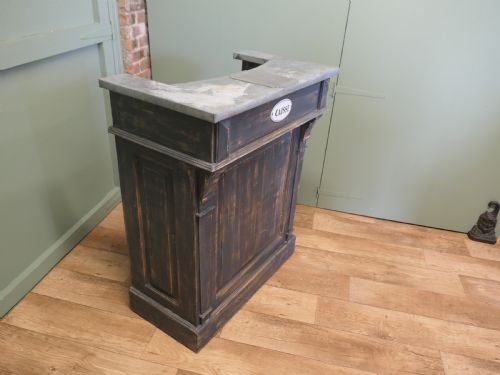
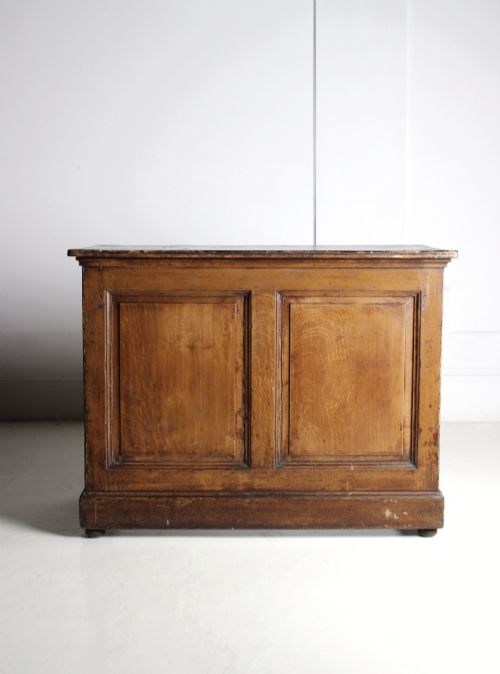
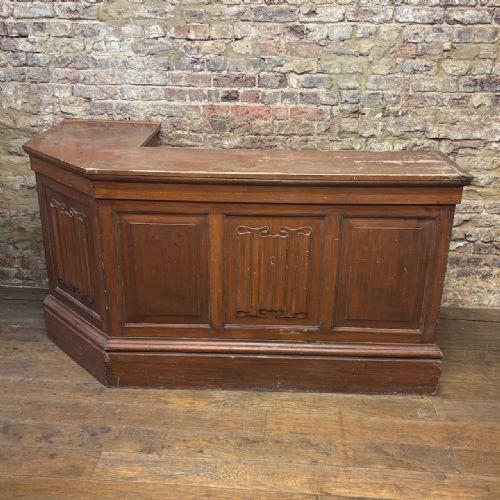
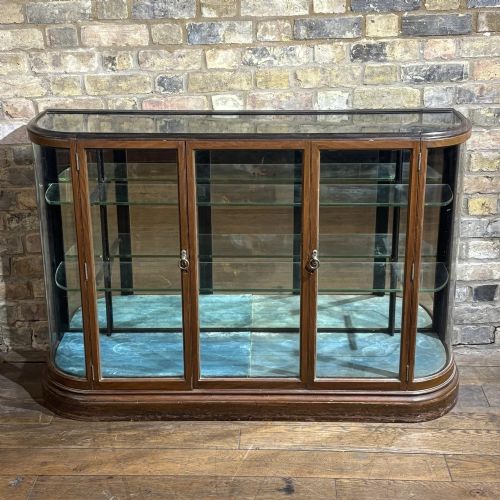
A commercial counter serves as the functional anchor of historic retail spaces, combining robust timber framing with glazed display fronts for merchandise.
Commercial Counter
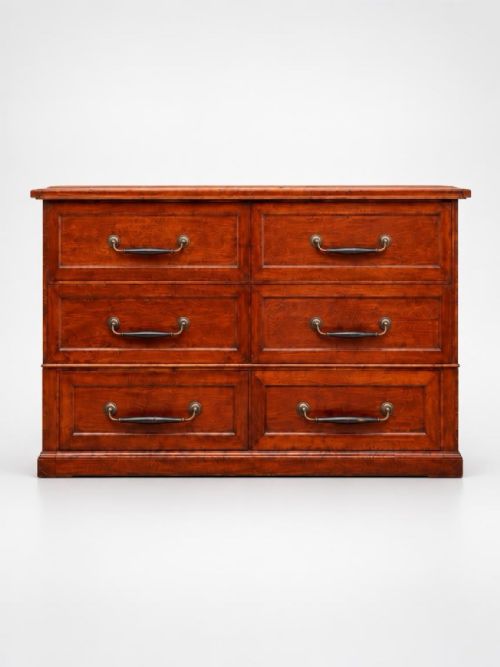
A commercial counter encompasses shop fittings, display cabinets, drapers tables, and specialised retail furniture designed for merchants and businesses. These pieces originate from the Victorian and Edwardian eras through to the nineteen-thirties, reflecting the changing needs of chemists, grocers, and general shops.
How they were made
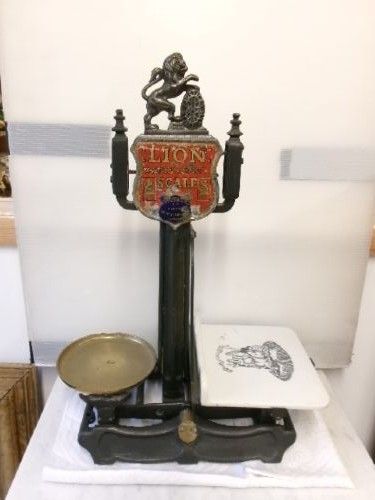
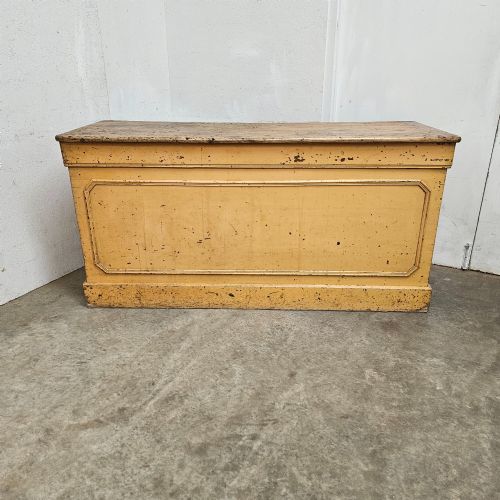
Cabinet makers built these pieces using dense hardwoods like mahogany and oak alongside practical softwoods such as pine, frequently applying paint finishes or faux graining. Structural integrity was achieved through robust joinery, metal framing, brass hardware, and cast iron components.
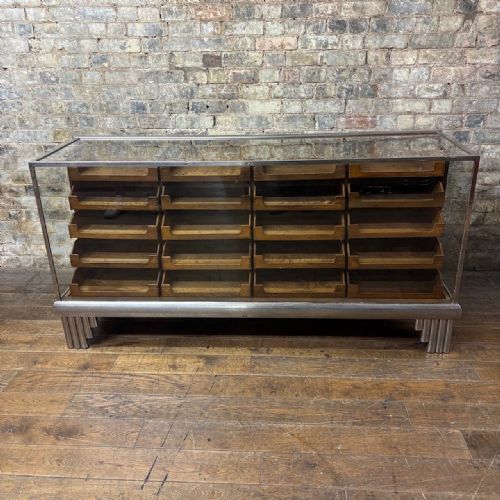
Glass panels were integrated into timber frames to create display enclosures, while interiors often incorporated mirrored backs, specialised shelving, or mechanical dispensing mechanisms for commercial utility.
Commercial Counter Retail Price Guide 2026
Typical asking prices for commercial counter among the pieces listed under this phrase on Sellingantiques today, from the lower quarter to the upper quarter. They describe what is for sale here now, not the wider market.
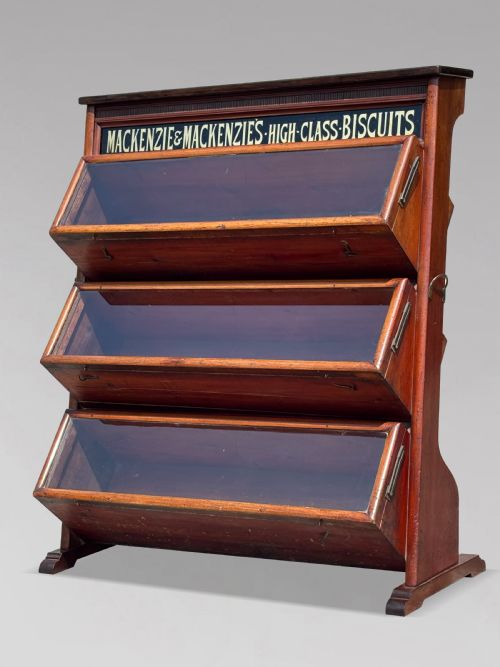
Object forms include shop fittings, drapers tables, weighing scales, and specialised advertising display cabinets.
What varies in quality
The degree of original finish preservation and the integrity of the structural timber define the primary tier of quality. Examples retaining untouched painted surfaces, original glass, and maker insignia command greater recognition among collectors.
Complexity of function and scale also influence distinction, separating standard utilitarian pine workbenches from elaborate mahogany display counters fitted with mirrors, specialised hardware, and branded advertising elements.
Herbert & Sons London·Dudley & Co·G H Gledhill Halifax·John Stow Ltd of Bradford·Manoah Rhodes & Sons Ltd·F. Sage & Co. London·Saml. Elliott & Sons
The Commercial Counter Glossary
- Haberdashery counter
- A retail fixture traditionally fitted with numerous shallow drawers or glass compartments for organising small sewing goods, ribbons, and textiles. These units often utilise oak or mahogany construction.
- Shop fitting
- Custom or modular furniture built specifically for commercial interiors, including shelving units and counter systems. They reflect the trade requirements of the period in which they were manufactured.
- Display cabinet
- A glazed enclosure designed to protect merchandise while offering customers a clear view of goods. They frequently feature mirrored interiors to maximise light reflection.
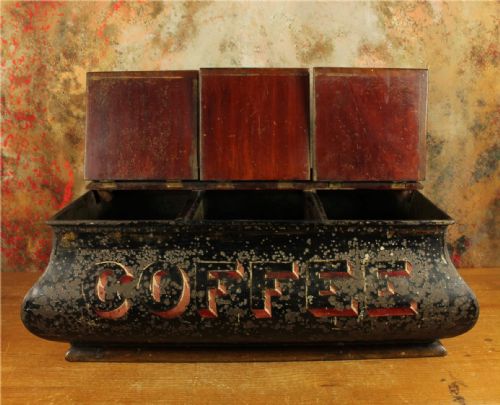
- Toleware
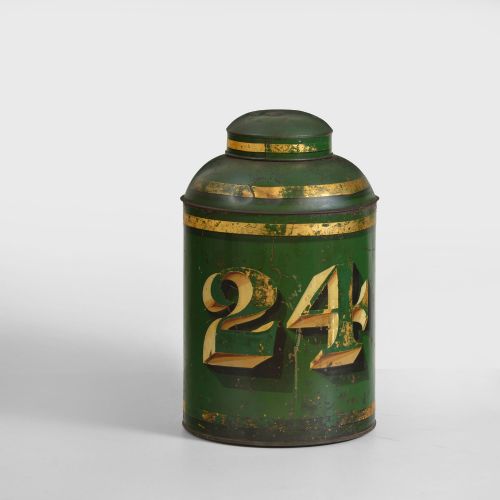
- Metalware coated with a lacquered or painted finish, often utilised for decorative shop tins and storage containers. These items formed part of the functional display in historic retail environments.
Commercial Counter: Frequently Asked Questions
How were commercial counters used in shops?
Merchants utilised these fixtures to transact business, weigh goods, and display merchandise securely to customers standing on the opposite side of the barrier. The integrated drawers and glass compartments kept stock organised and protected.
Larger units served as the central workstation for staff within drapers, grocers, and pharmacies, combining storage with prominent product presentation.
How can I date a commercial counter?
Dating relies on observing the prevailing timber choices, hardware styles, and manufacturing techniques characteristic of periods like the Victorian era or the nineteen-thirties. Mahogany and heavy brass framing often indicate earlier Victorian craftsmanship.
Later pieces from the twentieth century frequently incorporate aluminum framing, chrome, or distinct Art Deco geometric lines. Maker plaques and branded advertising cabinets also provide clear chronological markers.
Are these counters suitable for home use?
These pieces integrate well into modern domestic interiors as kitchen islands, sideboards, or statement storage units in living spaces. Their durable construction suits daily household utility.
Glass-fronted display versions provide practical shelving for collections, while larger drapers tables function effectively as generous dining or workspace surfaces.
What maintenance do old shop counters need?
Preserving these items involves regular dusting with a dry cloth and treating exposed timber surfaces with appropriate wax to maintain the finish. Protecting original painted or polished surfaces from excessive moisture prevents degradation.
Glass panels and mirrors benefit from gentle cleaning solutions applied sparingly to avoid damaging surrounding wooden frames or historic hardware.