


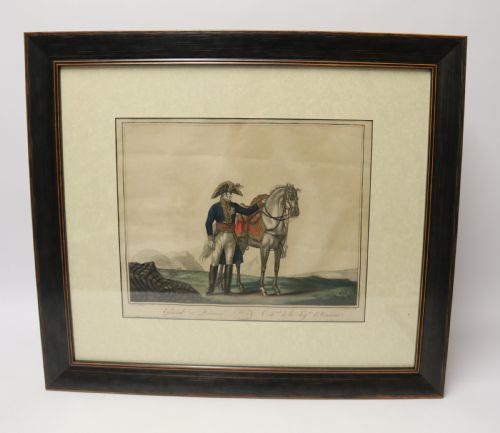
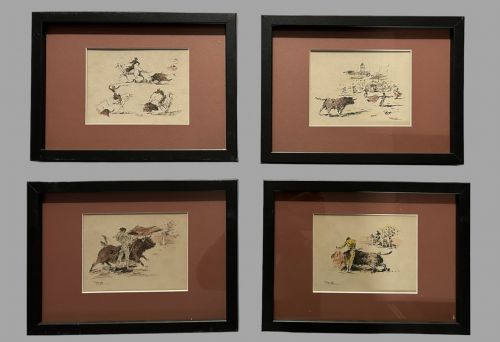


Coloured Etched Print
These coloured antique etched print pieces combine fine line work with delicate hand-colouring, offering a tangible link to centuries of graphic art tradition.
Coloured Etched Print
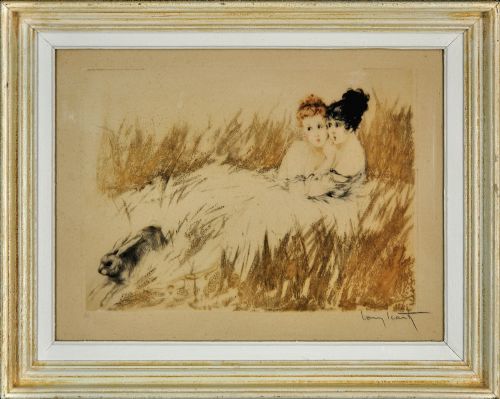
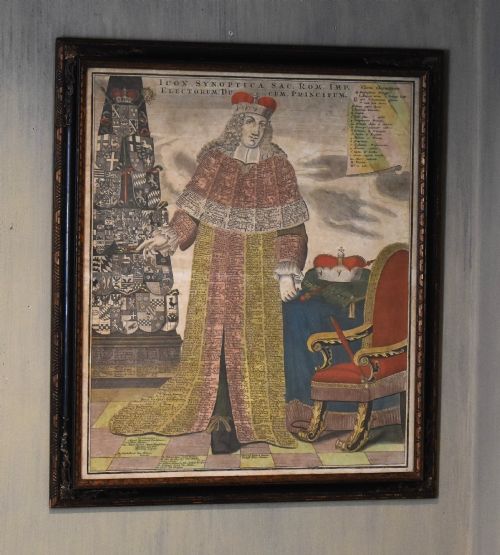
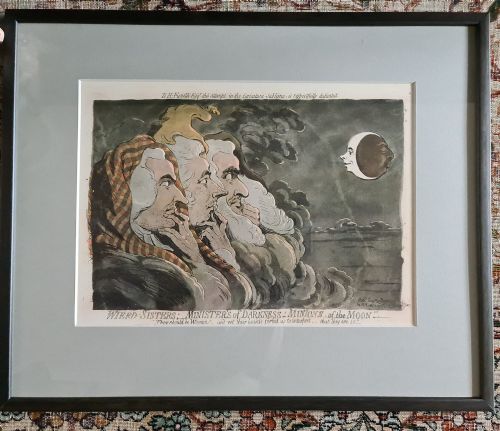
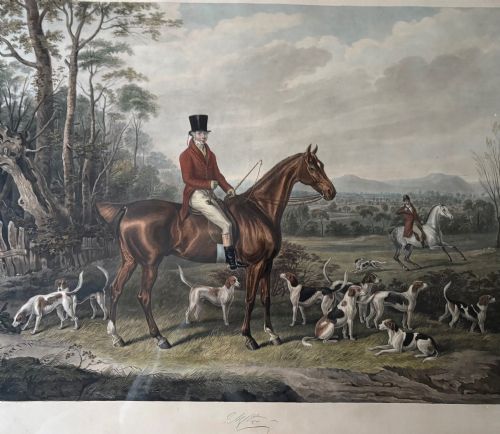
A coloured antique etched print is a work on paper produced through metal plate techniques and finished with pigment by hand. These pieces serve primarily as wall art, spanning decorative, sporting, and historical subjects.
The selection here encompasses periods from the eighteenth century through the 1930s, capturing Georgian, Regency, Victorian, and later aesthetics. Framed examples in wood, maple, and gilt wood appear frequently alongside unframed sheets.
Subjects range from British sporting scenes and military campaigns to French etchings and continental topography. Buyers encounter both signed works by named artists and anonymous historical plates.
How they were made
Makers utilised metal plates, primarily copper, inscribing lines directly into the surface with acid or sharp tools. Paper received the inked impression under pressure from a rolling press.
Colour was then applied by hand using water-based pigments or watercolours over the printed ink lines. Framing typically involved wood mouldings, occasionally incorporating glass protection and gilt wood finishes.
One eighteenth-century item pairs a signed print with a gold signet ring and two wax seals belonging to a colourful historical sporting figure.
What varies in quality
Quality rests on the crispness of the plate impression and the skill of the hand-colouring applied across the paper. Finer examples display vibrant, controlled pigment application that enhances rather than obscures the etched lines.
The condition of the paper surface and the integrity of the original frame contribute significantly to the standing of each piece. Surviving margins and clear artist signatures elevate historical and aesthetic value.
Louis Icart·Gilray·Henry William Banbury·T.A Prior·Joseph Farrington RA·Joseph Constantime Stadler·Thomas Rowlandson·Joaquim Terruella Matilla·Victor Valery
The Coloured Etched Print Glossary
- Etching
- A printmaking method where acid bites lines into a metal plate to hold ink. This technique allows for fluid, expressive lines compared to rigid engraving.
- Aquatint
- A variant of etching that produces tonal areas resembling watercolour washes. It was frequently used in tandem with line etching for coloured plates.
- Hand-coloured
- Pigment added by brush to a monochrome print after the impression is pulled. This process makes each surviving sheet unique.
- Hogarth frame
- A dark, often ogee-profile wooden frame common on eighteenth and nineteenth-century prints. It provides a classic border that complements works on paper.
- Impression
- A single copy of a print pulled from a prepared plate. Multiple impressions from one plate can show wear over time.
Coloured Etched Print: Frequently Asked Questions
How do I clean an old framed print?
Dust the wooden frame gently with a dry cloth and avoid touching the paper surface directly. Moisture can permanently damage both the paper and the water-soluble pigments.
Keep framed prints away from direct sunlight and damp environments to prevent fading and foxing on the paper. Professional conservators should handle any removal from the frame.
Are these prints original period pieces?
The listings comprise works originating from the eighteenth century up to the 1930s, created using traditional printing and colouring methods. Each piece reflects the materials and techniques of its specific era.
Paper stock, ink types, and plate marks provide physical evidence of age. Examining the reverse of the frame often reveals further clues about the history of the piece.
What is the difference between an etching and an engraving?
An etching relies on acid to bite lines into the metal plate, producing softer and more varied strokes. An engraving uses a sharp tool called a burin to cut directly into the metal.
Both techniques were often combined with hand-colouring to produce finished decorative art. Close inspection under magnification reveals the characteristic shoulder of an etched line versus the clean-cut V-shape of an engraving.
How should I hang coloured prints at home?
Hang your pieces on interior walls away from direct sunlight, heating vents, and high humidity areas like kitchens or bathrooms. UV-filtering glass offers extra protection for delicate water-based colours.
Pairing antique frames with neutral wall backgrounds allows the fine details of the etching and pigment to stand out clearly.