



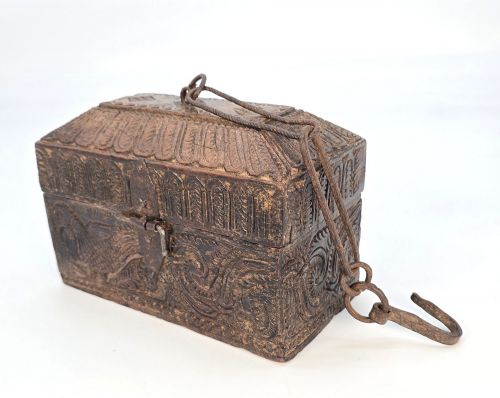
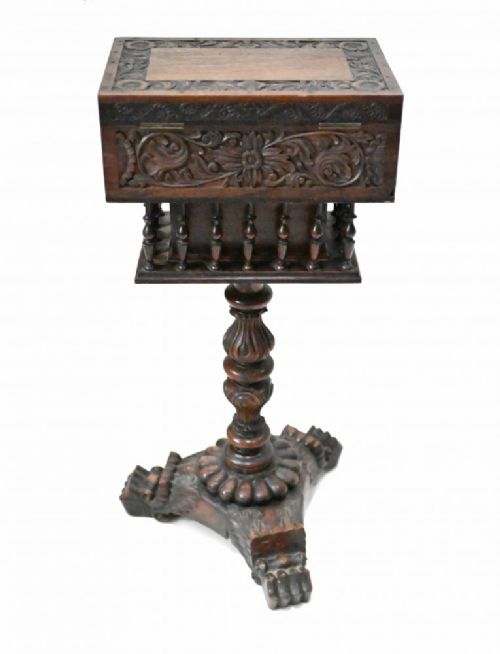
Colonial Wood Chest
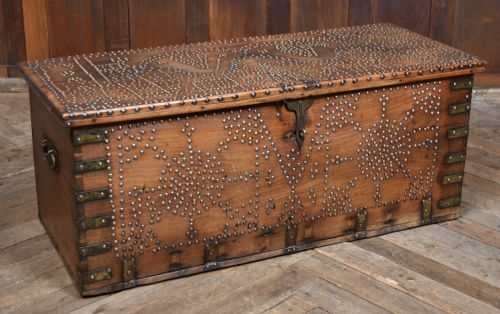
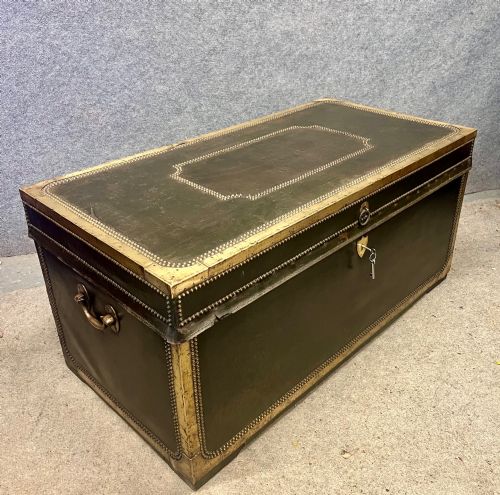
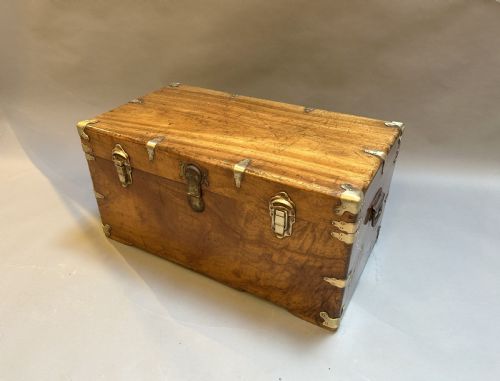
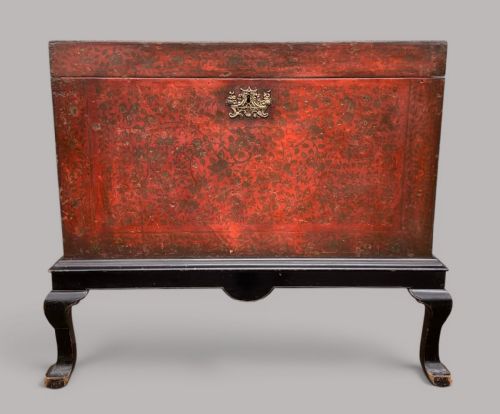
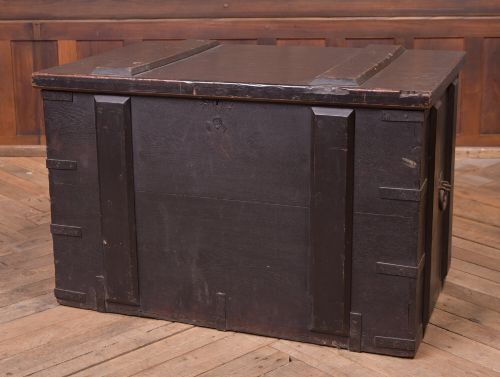
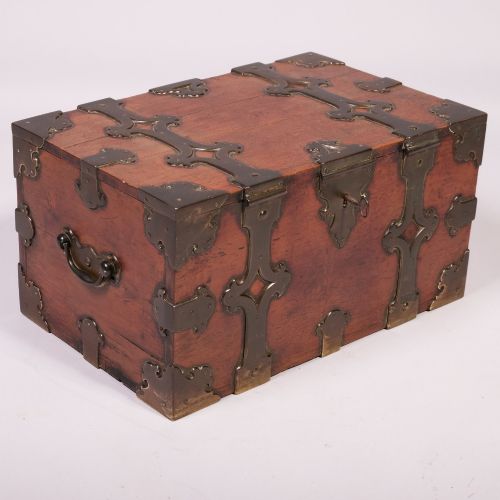
These colonial wood chest examples bring travel, trade and utility together, offering robust storage crafted in aromatic woods and mounted in brass.
Colonial Wood Chest
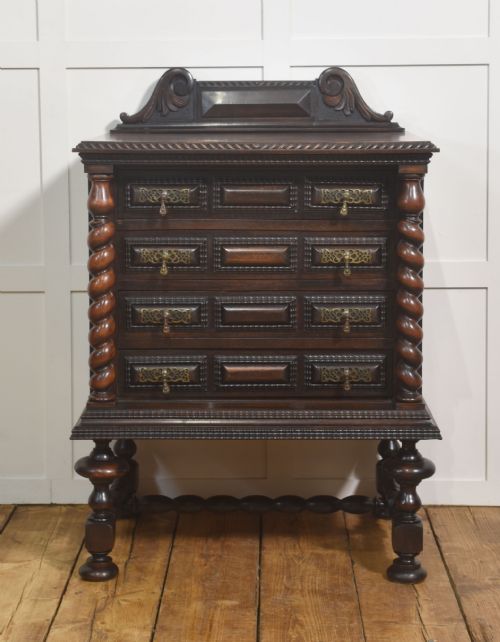
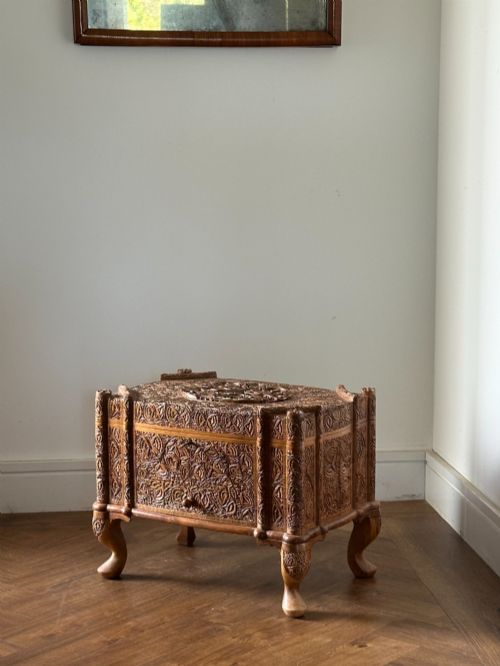
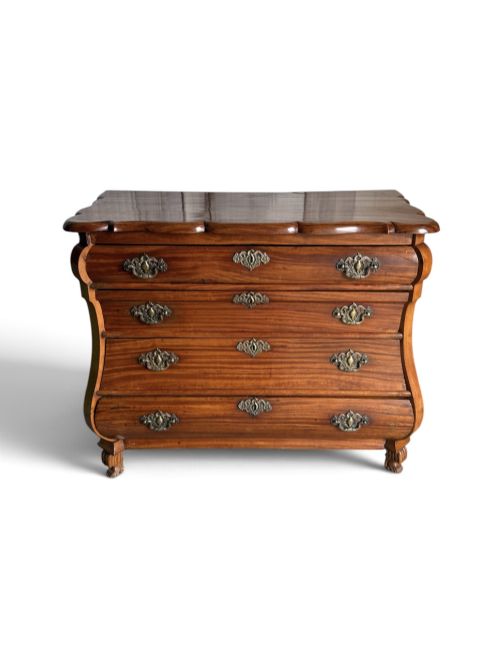
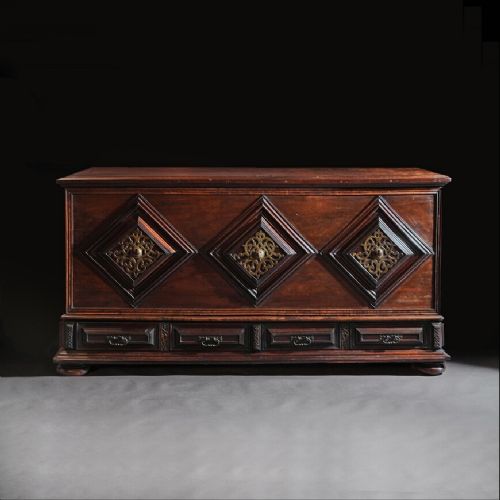
A colonial wood chest encompasses practical storage forms built across global trade routes, spanning blanket boxes, military trunks and filing cabinets. These items originate from periods ranging from the seventeenth century through to the early twentieth century, reflecting varied regional influences.
The selection on this page demonstrates styles such as Anglo-Indian, Dutch Colonial and Victorian Campaign. Buyers frequently encounter camphor wood trunks fitted with original brass hardware alongside solid teak and padouk storage pieces.
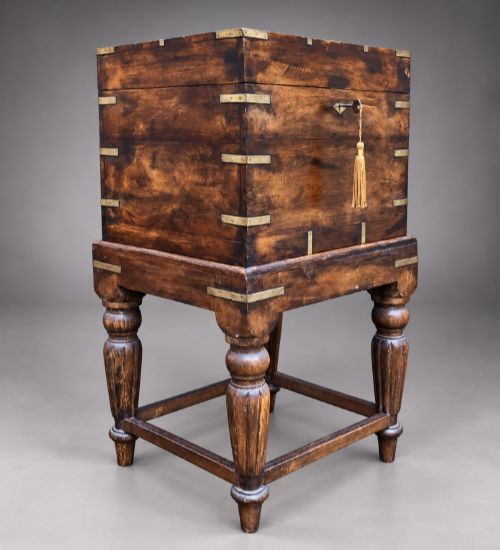
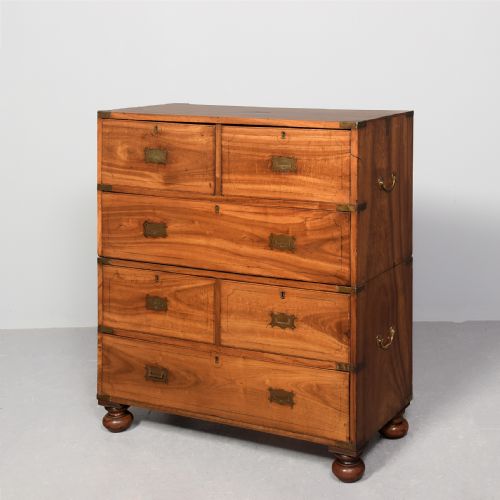
Forms extend beyond simple trunks to include chests of drawers, jewellery caskets and cellarettes on stands. Each piece mirrors the functional demands of colonial life, balancing transportability with heavy structural integrity.
Materials and Construction
Makers utilised durable tropical timbers like camphor wood, teak and padouk, which resisted humidity and insect damage during long journeys. Camphor wood provided a natural aromatic defence while teak and padouk offered dense, stable framing for daily use.
Robust construction methods incorporated brass binding, corner plates and carrying handles to withstand frequent transit by sea and land. Wrought iron and ebony details further reinforced the structural joints while adding distinct contrast to the primary timber.
Colonial Wood Chest Retail Price Guide 2026
Typical asking prices for colonial wood chest among the pieces listed under this phrase on Sellingantiques today, from the lower quarter to the upper quarter. They describe what is for sale here now, not the wider market.
The natural aroma of camphor wood endures across the centuries, greeting you with every lift of the lid.
Quality and Craftsmanship
Superior examples distinguish themselves through the selection of solid hardwoods and the retention of original brass mounts rather than later replacements. The crispness of carved details on sandalwood or teak surfaces also separates standard utility items from finer commissions.
Internal configuration dictates distinction, with fitted drawers, secret compartments and integrated secretaire sections representing higher levels of workshop skill. The precision of dovetail joints and the structural integrity of dividing partitions determine the overall grade.
The Colonial Wood Chest Glossary
- Campaign trunk
- A sectional storage chest designed to dismantle or travel easily during military campaigns, typically fitted with flush brass handles and corner brackets.
- Camphor wood
- An aromatic tropical timber widely utilised for trunks due to its natural insect-repellent properties and distinct fragrance.
- Cellarette
- A lockable container designed for holding bottles of wine or spirits, often raised on a dedicated stand.
- Padouk
- A heavy, durable tropical hardwood with a rich reddish brown tone, frequently encountered in Anglo-Indian furniture.
- Secretaire
- A cabinet or chest featuring a pull-down writing flap that conceals a fitted interior of small drawers and pigeonholes.
Colonial Wood Chest: Frequently Asked Questions
What is a campaign chest?
A campaign chest is a piece of modular furniture built in two or more sections to facilitate transport by military officers on the move.
These items incorporate flush hardware to prevent snagging and often feature recessed brass handles and reinforced corners.
Why use camphor wood?
Camphor wood was selected for storage furniture because its natural aromatic oils deterred insects and protected textiles from damp conditions.
The timber remains stable and releases a distinct scent when opened, which appealed to traders and travellers.
How do I date a chest?
Dating relies on examining the construction methods, secondary timbers, lock mechanisms and style of brass hardware.
Earlier pieces from the seventeenth and eighteenth centuries display hand-cut dovetails and forged iron elements, whereas nineteenth-century examples often feature standardised brass mounts.
Were these chests made for travel?
Many trunks and campaign boxes were specifically engineered for colonial travel, featuring robust framing and sturdy carrying handles.
Other forms, such as stationary chests of drawers or cellarettes, served permanent residences in colonial outposts and trading stations.