


Colonial Table Lamp
A colonial table lamp brings rich timber and intricate carved detail into a room, offering warm illumination alongside distinct historical character.
Colonial Table Lamp
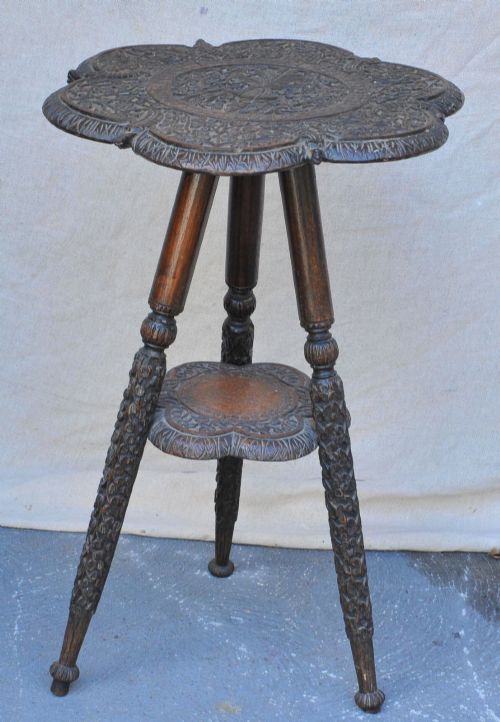
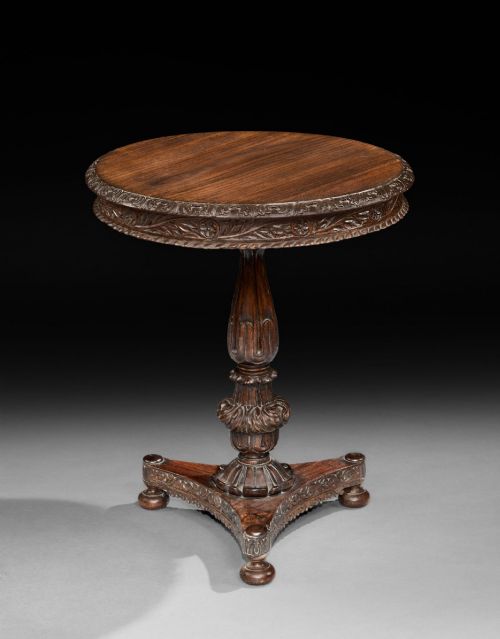
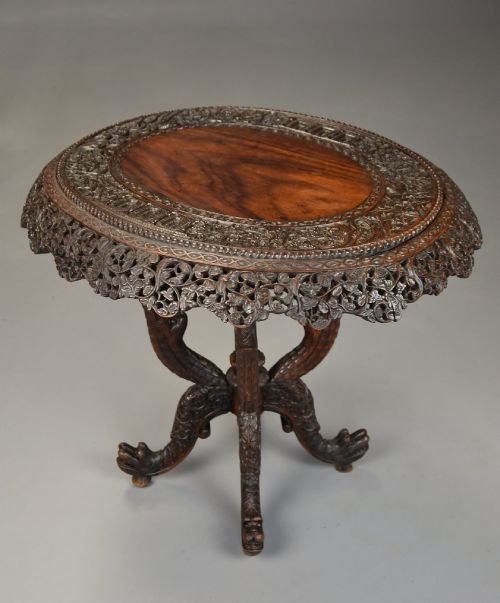
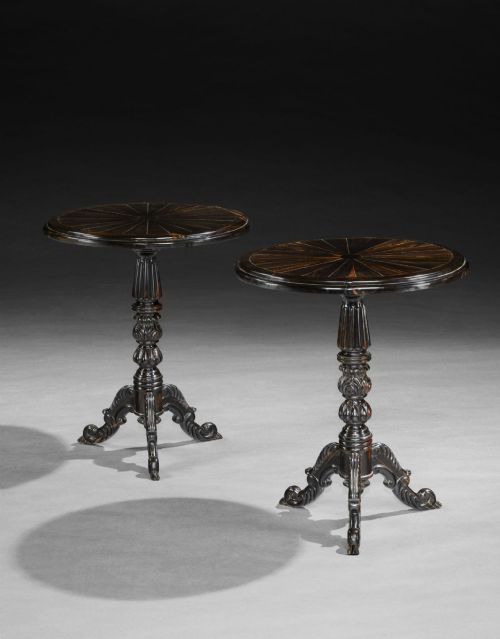
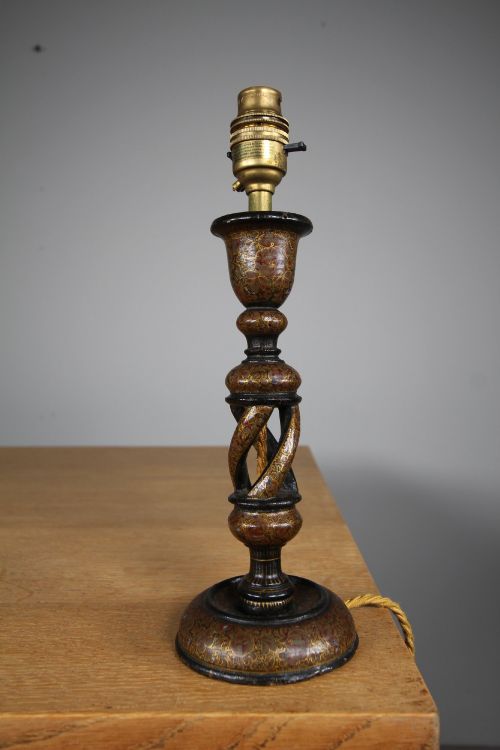
A colonial table lamp represents lighting fixtures and small support pieces adapted for illumination, drawing upon nineteenth and early twentieth century regional traditions. These items often originate from the Indian subcontinent, Burma, or wider colonial territories where local cabinetmaking met European domestic requirements.
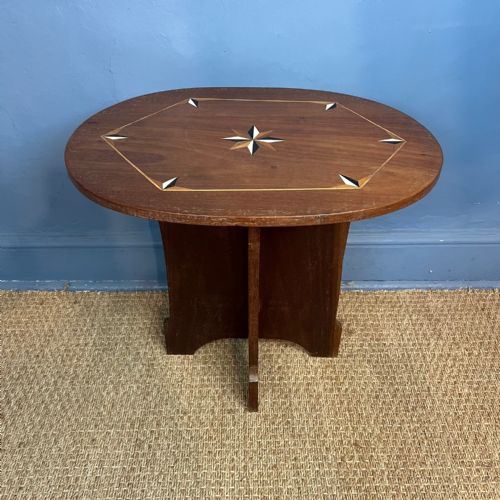
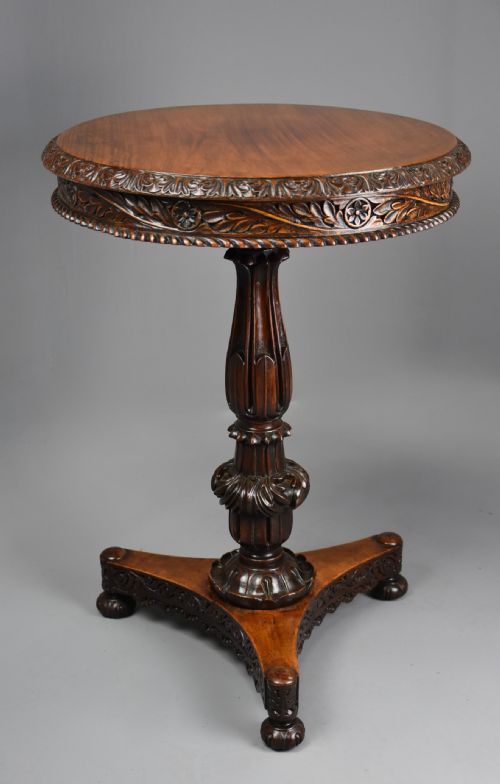
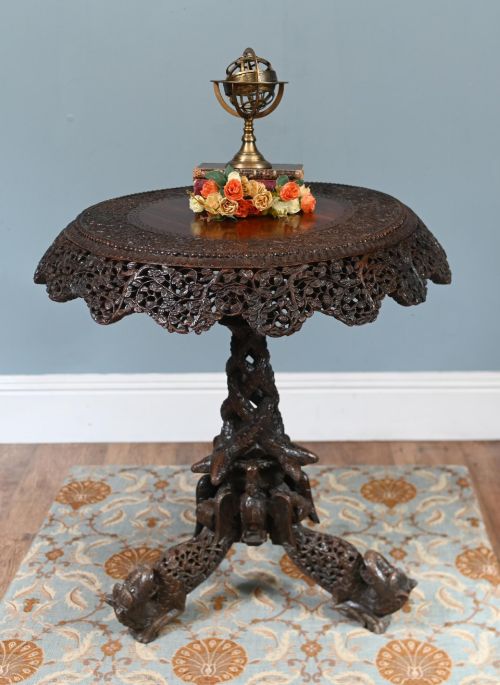
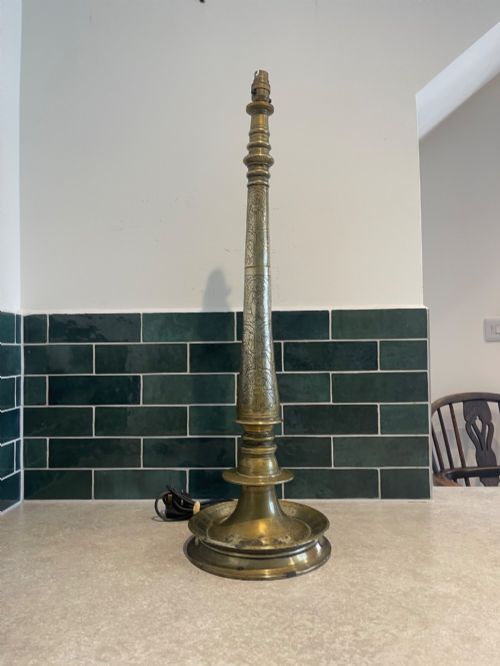
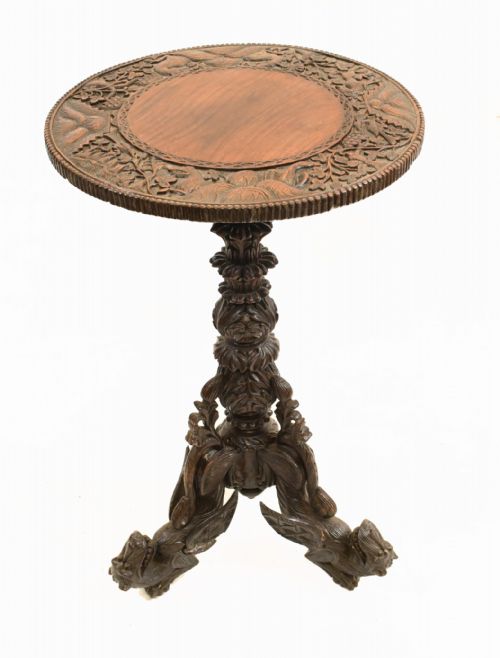
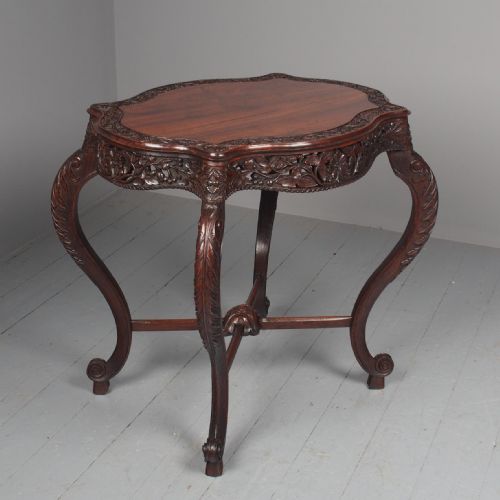
Most examples found here combine regional hardwood frames with electrified fittings or taller stands suited for modern table use. Buyers encounter carved teak, brass columns, and inlaid occasional tables converted or built specifically to serve as lamps.
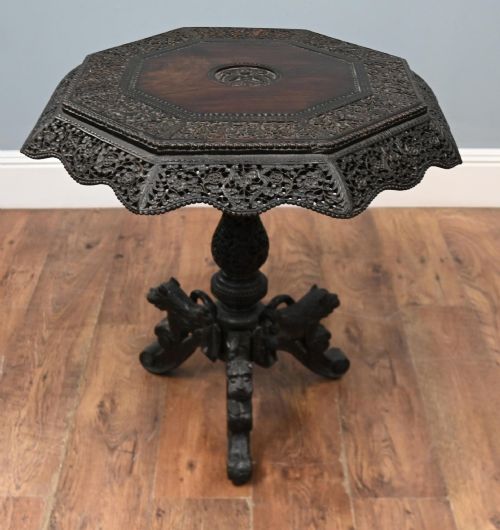
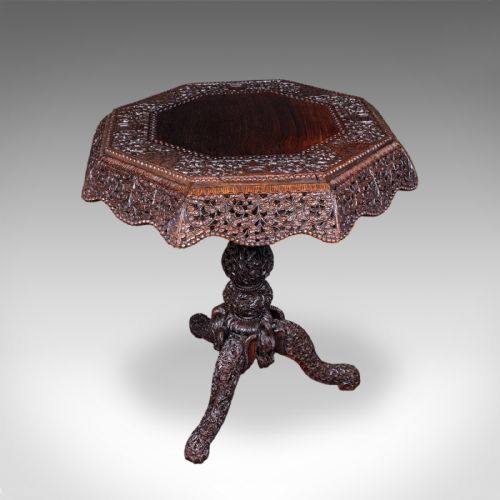
The aesthetic bridges traditional Eastern woodworking with Victorian utility. Forms range from turned twist columns to octagonal carved surfaces adapted for domestic placement.
Materials and construction
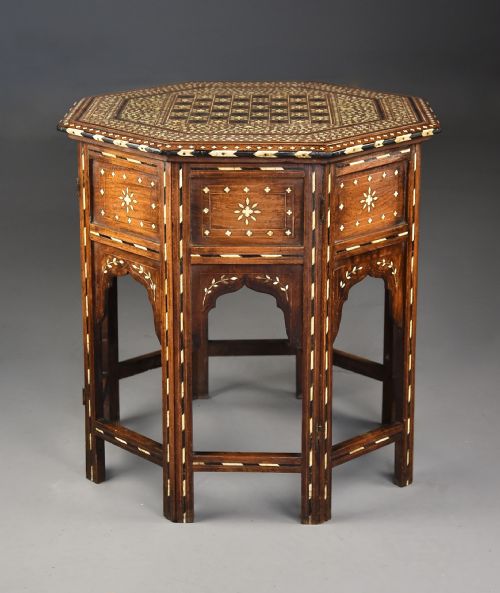
Construction relies heavily on dense tropical hardwoods such as teak, padouk, and rosewood, chosen for stability and fine grain. Artisans employed deep relief carving, piercing, and geometric bone inlay to decorate surfaces.
Joinery techniques reflect regional workshop traditions combined with British colonial room designs. Turned elements, such as twist columns, require precise lathe work in solid hardwood.
Colonial Table Lamp Retail Price Guide 2026
Typical asking prices for colonial table lamp among the pieces listed under this phrase on Sellingantiques today, from the lower quarter to the upper quarter. They describe what is for sale here now, not the wider market.
Some tall twist lamps spent a century holding heavy oil burners before discovering the joys of modern electricity.
Assessing quality and craftsmanship
Quality rests in the crispness and depth of the hand carving across the timber. Superior pieces exhibit precise symmetry in geometric inlays and tight joints in the primary structure.
The choice of material dictates baseline excellence, with dense padouk and figured specimen woods outranking plain softwoods. Preservation of the original surface patina further separates standard items from exceptional survivals.
The Colonial Table Lamp Glossary
- Padouk
- A heavy, durable reddish-brown tropical hardwood native to Asia and Africa. Cabinetmakers favoured it for nineteenth-century colonial furniture due to its resistance to splitting.
- Specimen wood
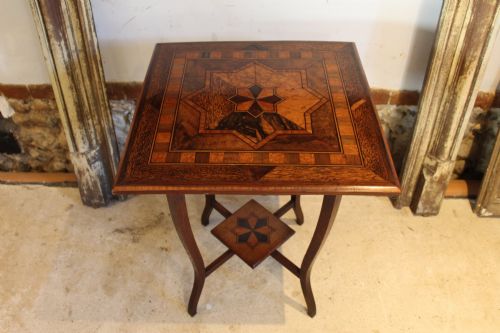
- Furniture constructed from a variety of distinct native timbers arranged to display contrasting natural colours. These pieces often feature geometric marquetry patterns.
- Hoshiarpur inlay
- Intricate surface decoration originating from northern India involving precise insertion of bone or light woods into dark timber. This technique creates detailed floral and geometric motifs.
- Tilt top
- A table mechanism allowing the circular or shaped top to fold flat for storage against a wall. It appears frequently on nineteenth-century occasional tables.
- Twist column
- A turned architectural support featuring a spiral or barley-twist design. This form was popular in standard lamps and table supports during the late Victorian and Edwardian eras.
Colonial Table Lamp: Frequently Asked Questions
What is a colonial table lamp?
A colonial table lamp typically comprises either a tall turned timber or brass standard designed for lighting, or a small occasional table adapted with electrical fittings. These pieces originate from nineteenth and early twentieth-century trade networks in regions such as India and Burma.
They combine indigenous woodworking techniques with British domestic forms. The category includes both purpose-built lamp standards and converted occasional tables.
How do I date these lamps?
Dating relies on timber selection, carving styles, and hardware construction methods. Pieces from the Victorian era often feature deep relief floral carving and heavy brass components.
Later examples from the early twentieth century introduce simpler twist columns or modified wiring channels. Comparing the turning style with documented regional furniture helps narrow the manufacturing window.
Are these lamps rewired for modern use?
Many surviving examples have undergone electrical rewiring to meet contemporary safety standards. Dealers frequently update internal cords while preserving the antique standard body.
Buyers should inspect the plug type and cord condition upon arrival. Professional testing ensures the vintage brass or wooden base functions safely in a modern interior.
Where were these pieces made?
Production occurred across various workshops in the British Empire, prominently within the Indian subcontinent and Burma. Regional centres specialised in specific techniques, such as Hoshiarpur inlay or heavy teak carving.
Export demand influenced local artisans to adapt traditional furniture forms for British homes. This cross-cultural exchange created the distinct decorative style seen in these items.