






Colonial Style Table
A colonial style table brings disparate design traditions together, offering robust timbers and intricate carved details that anchor a room with distinct historical character.
Colonial Style Table
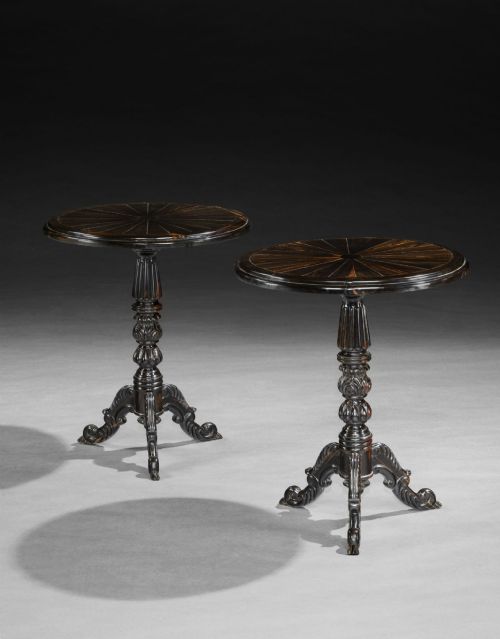
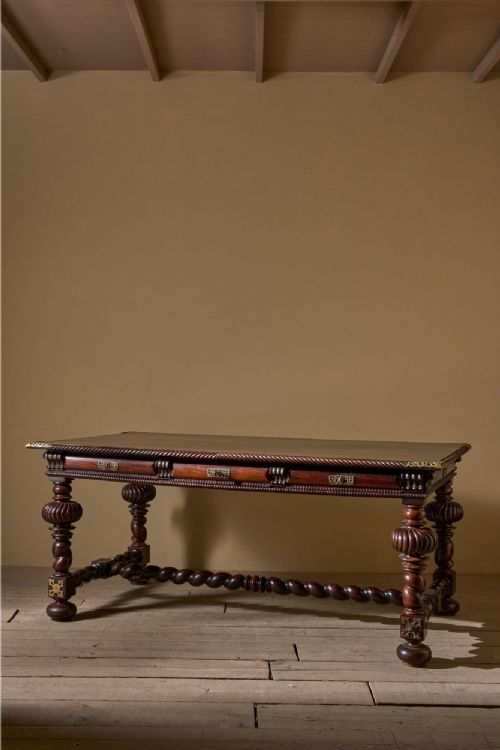
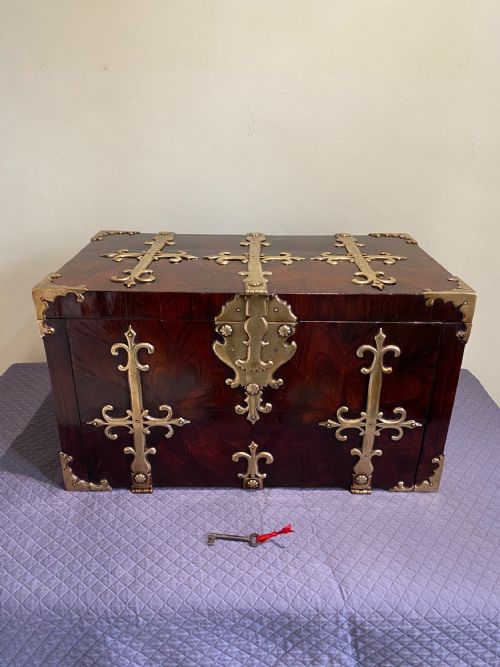
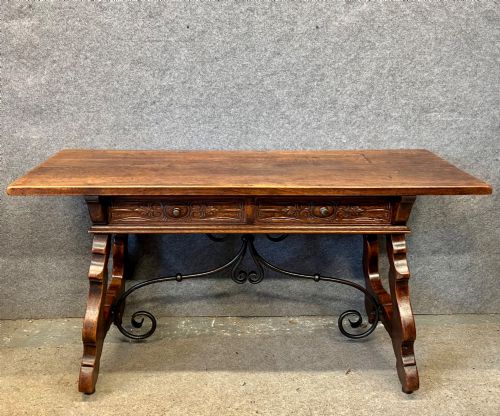
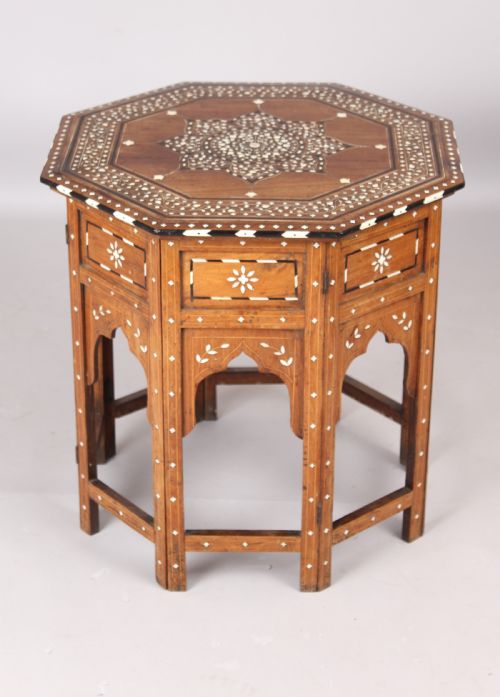
A colonial style table encompasses a broad mix of regional influences and periods, spanning Georgian, Victorian, and early twentieth-century examples. The pieces range from folding teak side tables and ebony tripod stands to robust refectory and console forms.
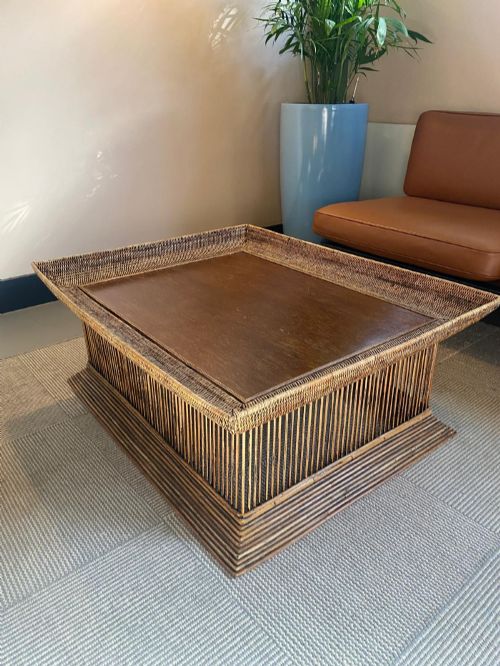
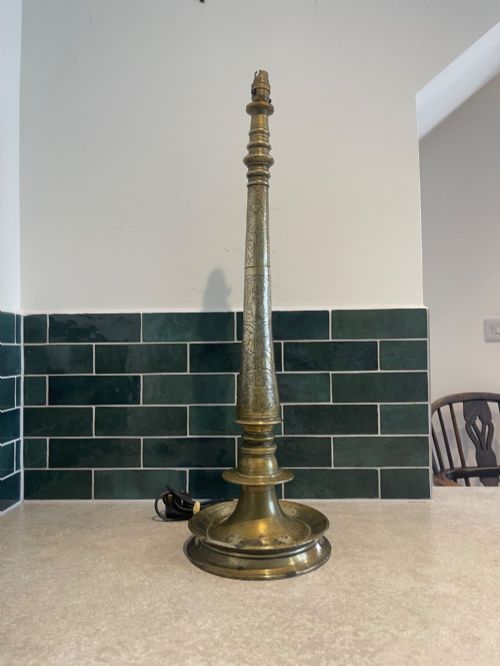
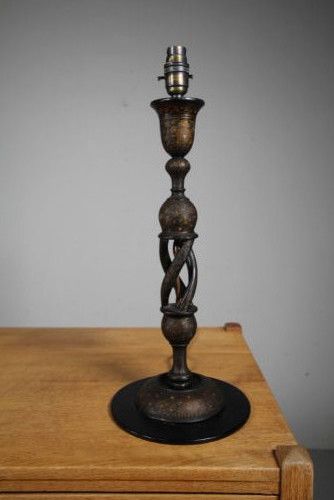
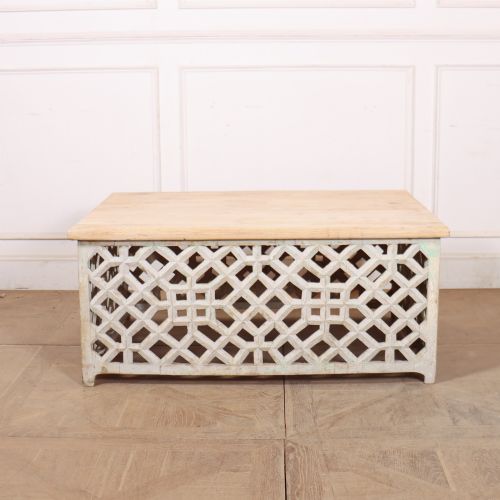
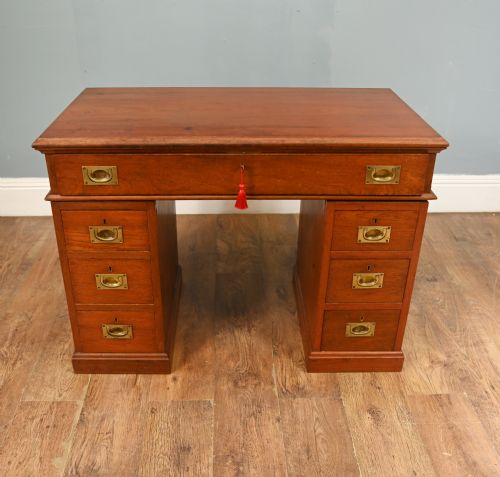
Forms vary from compact coffee tables and side lamps to large dining surfaces and desks. Buyers encounter diverse regional expressions, including Ceylonese ebony work, New Zealand specimen timbers, and Spanish-influenced forms.
Materials and construction
Makers utilised dense exotic hardwoods such as rosewood, teak, ebony, and padauk alongside native timbers like walnut, oak, and mahogany. These durable materials were selected to withstand varied climates and heavy daily use.
Construction techniques include brass inlay, intricate bone or wood carvings, and clever folding mechanisms for portability. Many surfaces feature specialised turnings, twisted columns, or painted wooden elements.
Specialist joinery allows for collapsible designs, demountable pedestals, and fitted compartments. Finishes highlight the natural grain of the timber, whether through polished rosewood or rustic oak.
Colonial Style Table Retail Price Guide 2026
Typical asking prices for colonial style table among the pieces listed under this phrase on Sellingantiques today, from the lower quarter to the upper quarter. They describe what is for sale here now, not the wider market.
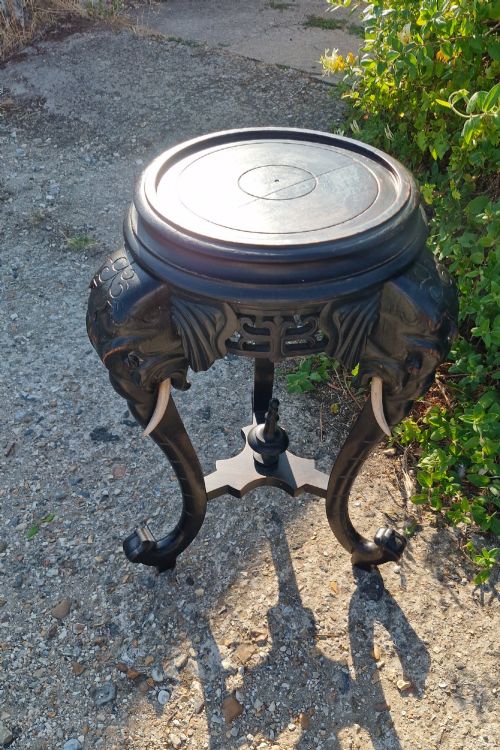
One late Victorian piece includes painted wooden tusks attached to an elephant table.
What separates the fine examples
The sophistication of the carved detail and the choice of timber determine the standing of a piece. Dense, finely figured woods like ebony and rosewood sit above standard domestic hardwoods.
Integrity of construction matters greatly, particularly in folding or campaign pieces where hinges, brass mounts, and joints must operate smoothly. Original inlays, bone work, and untouched surface patination elevate a piece significantly.
The Colonial Style Table Glossary
- Anglo-Indian
- Furniture made in India during the British period, combining local craftsmanship with European forms.
- Campaign furniture
- Portable furniture designed for military officers, featuring folding elements and protective brass corners.
- Refectory table
- A long, narrow dining table traditionally used in monasteries and large halls, adapted into various rustic and regional styles.
- Specimen wood
- Furniture constructed from a mosaic of multiple native or exotic timber varieties to display varied colours and grains.
- Tripod table
- A small freestanding table supported by a pillar above three spreading feet.
Colonial Style Table: Frequently Asked Questions
How do I care for exotic wood surfaces?
Dust regularly with a soft, dry cloth and avoid placing the timber in direct sunlight or near heat sources to prevent cracking.
Apply a microcrystalline wax occasionally to nourish the grain and protect the polish without building up a heavy residue.
Were these tables made for travel?
Many examples, particularly campaign and folding pieces, were engineered specifically for easy dismantling and transport across colonial territories.
Other forms, such as heavy refectory or console tables, remained static fixtures in administrative or residential spaces.
What distinguishes Anglo-Indian furniture?
Anglo-Indian pieces combine traditional British furniture layouts with intricate local carving traditions, dense regional timbers, and brass or bone inlay.
They frequently incorporate collapsible structures or deep relief motifs reflective of the regions where they were produced.
How do I identify the period of a table?
Dating relies on examining construction marks, timber choice, joinery techniques, and the presence of original hardware like brass handles or hinges.
Comparing regional stylistic traits and decorative motifs against documented historical examples helps narrow down the decade of manufacture.