


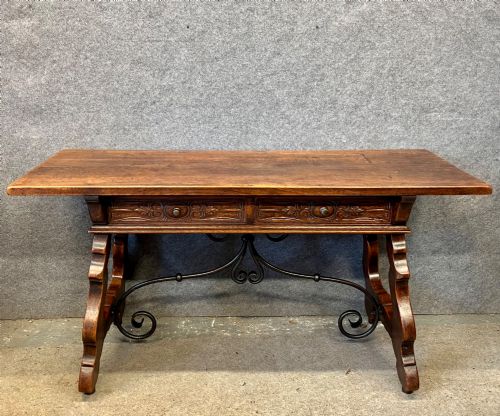


Colonial Style Desk
These colonial style desk pieces bring global craftsmanship home, offering sturdy timbers and historic regional character for daily workspace use.
Colonial Style Desk
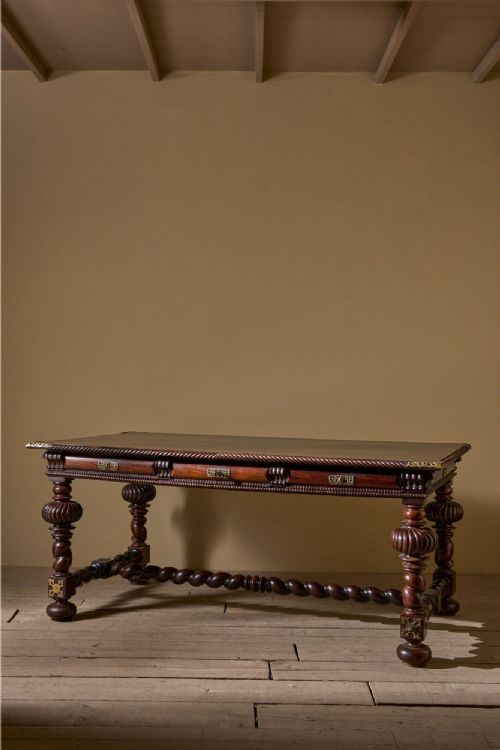
When buyers search for a colonial style desk, they encounter heritage writing furniture spanning centuries, alongside related tables and chairs reflecting global trade routes. The evidence on this page leans heavily towards Portuguese rosewood and Spanish walnut desks, complemented by oak refectory tables and campaign pieces.
The aesthetic bridges European forms with regional materials and carving traditions. Buyers find examples ranging from rustic oak to polished rosewood, each bearing the distinct functional marks of its period.
Materials and construction methods
Construction relies upon dense hardwoods such as rosewood, walnut, oak, and teak, selected for structural endurance and rich grain patterns. Artisans shaped these timbers using traditional joinery, often incorporating brass mounts for reinforcement and handles.
Surface treatments vary from simple polished timber to carved detailing and lacquer work. Where appropriate, materials like wrought iron and leather appear as structural or functional components.
Colonial Style Desk Retail Price Guide 2026
Typical asking prices for colonial style desk among the pieces listed under this phrase on Sellingantiques today, from the lower quarter to the upper quarter. They describe what is for sale here now, not the wider market.
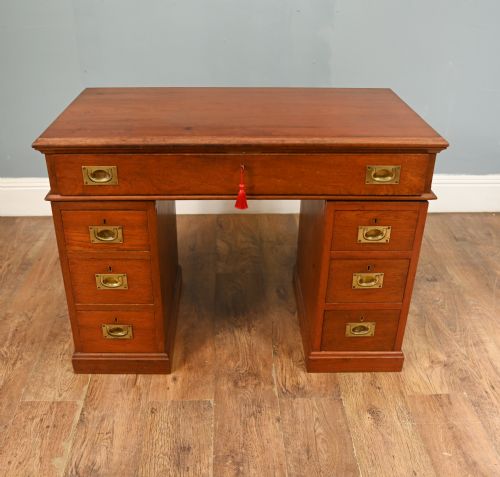
Several pieces feature clever brass mounts designed to withstand the rigours of military transport across continents.
Assessing quality in regional heritage furniture
Quality rests in the fidelity of the timber selection and the crispness of any carved decoration. Dense, stable hardwoods like rosewood and walnut command attention for their longevity and superior finish.
The integration of brass mounts and hardware distinguishes finer pieces from utilitarian ones. Cohesion between European forms and regional craftsmanship indicates a higher standard of workshop execution.
The Colonial Style Desk Glossary
- Anglo-Indian
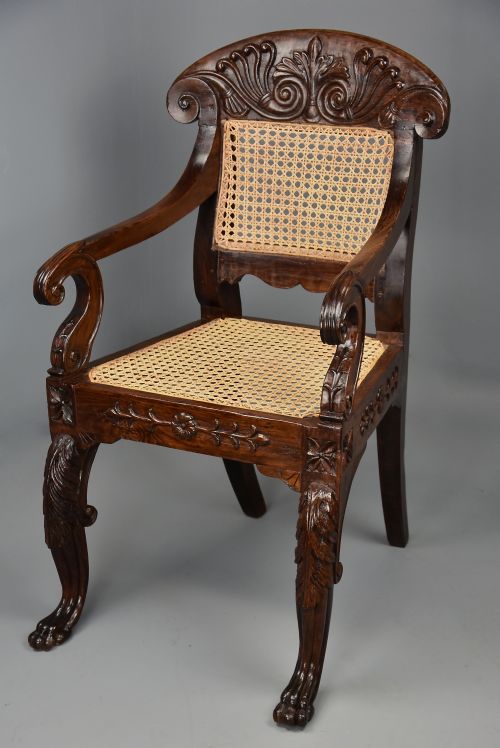
- Furniture made in India during the British period, often combining British forms with local carving and timber.
- Padouk
- A heavy, durable tropical hardwood with a reddish hue, frequently utilised in fine regional furniture.
- Refectory table
- A long dining or working table traditionally used in communal halls and sturdy in construction.
- Campaign furniture
- Portable pieces designed for military officers on the move, typically featuring brass corners and flush handles.
Colonial Style Desk: Frequently Asked Questions
What defines a colonial style desk?
These desks combine traditional European forms with materials and decorative techniques from regions influenced by colonial trade. They often utilise dense timbers like rosewood or walnut and may incorporate brass mounts.
They reflect the cross-cultural exchange of design ideas between European makers and overseas workshops during the eighteenth and nineteenth centuries.
How do I care for antique hardwood desks?
Keep wooden surfaces away from direct sunlight and steady heat sources to prevent the timber from drying out or splitting. Dust regularly with a dry cloth and apply suitable furniture wax sparingly.
Avoid commercial liquid polishes containing silicone, which can build up and dull the natural finish over time.
Where were these pieces originally crafted?
The pieces originate from various regions touched by European expansion and trade, including workshops in Spain, Portugal, and the Indian subcontinent. Each area imparted distinct regional characteristics to standard furniture types.
Local timber availability and indigenous carving traditions heavily influenced the final appearance of each item.
How can I tell the age of the wood?
Dating relies upon examining construction methods, tool marks, and the natural patina developed by the timber over generations. Hardwoods like oak, walnut, and rosewood age differently depending on their environment and usage.
Hardware fixtures such as brass handles and hinges also provide reliable clues to the manufacturing period.