

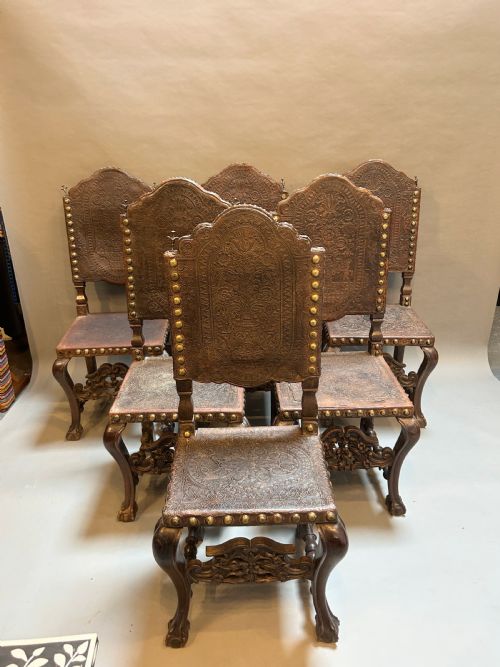


Colonial Style Chair
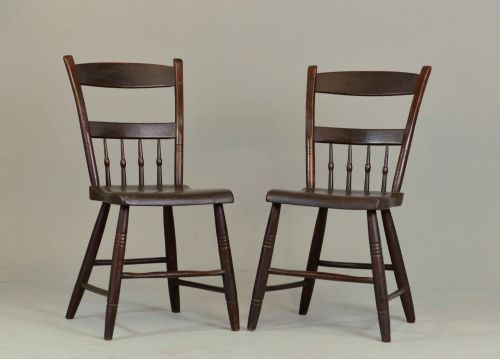
These colonial style chair pieces span centuries of global design, offering substantial seating built from hardwoods like teak and padouk.
Colonial Style Chair
A colonial style chair brings together diverse regional traditions and European influences, often appearing as armchairs, dining chairs, and daybeds. Buyers browsing this selection most frequently encounter pieces spanning the 18th century, 19th century, and Victorian periods.
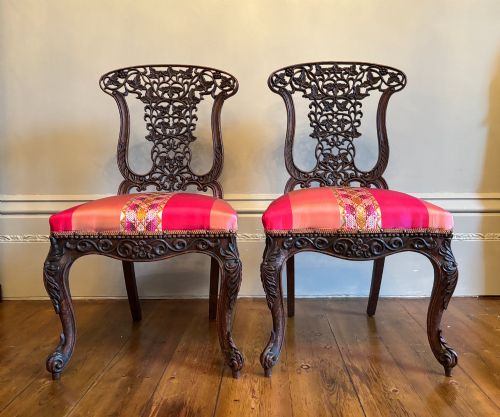
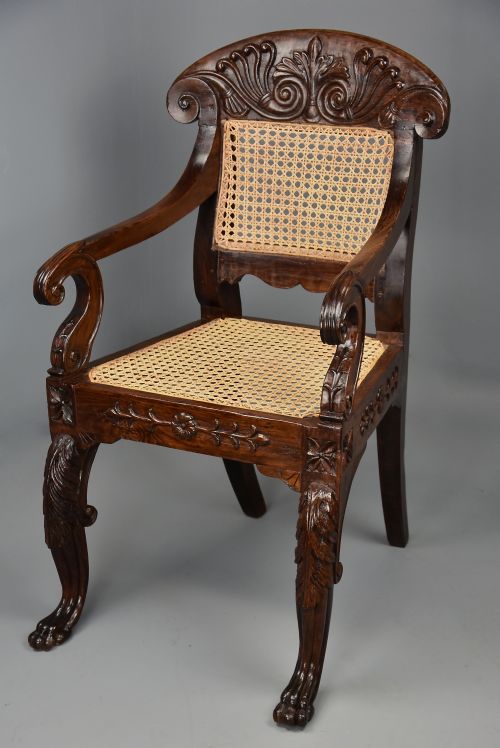
Forms range from Anglo-Indian carved padouk open armchairs and Dutch walnut rococo setees to Spanish antique dining chairs and Portuguese oak designs. These seating options reflect complex historical trade routes and local craftsmanship across different continents.
Materials and construction methods
Construction relies heavily on dense tropical hardwoods including teak, padouk, mahogany, walnut, oak, and general hardwood frames. Makers utilised these robust timbers to withstand varying climates while supporting intricate hand-carved details.
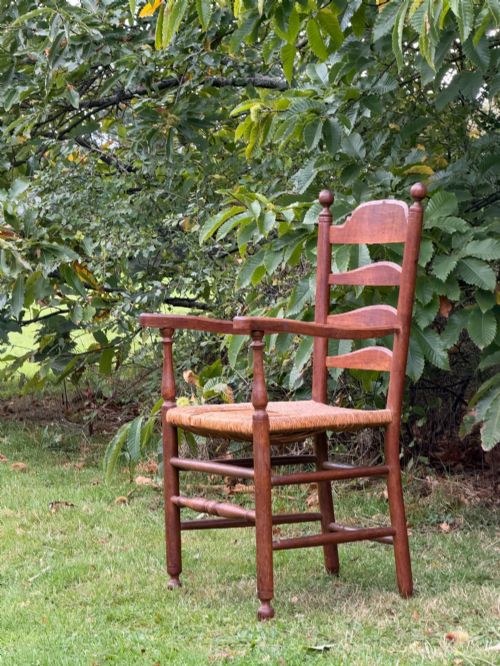
Surface treatments and seating inserts incorporate cane, brass fittings, rush seating, and upholstered leather elements. These materials demonstrate a synthesis of local workshop techniques and imported European aesthetic preferences.
Colonial Style Chair Retail Price Guide 2026
Typical asking prices for colonial style chair among the pieces listed under this phrase on Sellingantiques today, from the lower quarter to the upper quarter. They describe what is for sale here now, not the wider market.
Even a folding Savonarola chair needs a comfortable cushion after a long day of ruling an empire.
Assessing quality in construction
Quality rests in the depth and crispness of the carving across hardwood and padouk frames, where skilled hands achieved fluid lines. Superior examples maintain structural integrity through precise joinery rather than relying on surface decoration alone.
The selection of timber grain and the integration of secondary materials like brass hardware or cane work distinguish finer pieces. Exemplary items display a harmonious balance between robust colonial utility and refined stylistic influences.
The Colonial Style Chair Glossary
- Padouk
- A heavy, durable tropical hardwood prized for its rich reddish-brown colour and stability in furniture making. It frequently appears in finely carved 19th-century pieces.
- Anglo-Indian
- A stylistic term describing furniture made in India during the British period, combining local artisan techniques with European forms. These items often feature dense carving and exotic hardwoods like teak.
- Cane
- Woven material derived from rattan palm stems used traditionally for seat and back panels. It provides flexible, breathable support suited to warmer climates.
- Savonarola chair
- A type of folding chair formed from multiple intersecting curved wooden slats, named after the 15th-century friar. It represents an early Renaissance form adapted across various global regions.
Colonial Style Chair: Frequently Asked Questions
What periods do these chairs date from?
The selection encompasses items originating from the 18th century, the Regency era, the mid-19th century, and the Victorian period. Each era brings distinct regional interpretations and material choices.
Craftsmanship evolves across these periods from ornate Dutch rococo styles to functional campaign designs and structured colonial hall benches.
Which woods are most commonly used?
Makers utilised robust timbers such as teak, padouk, mahogany, walnut, oak, and general tropical hardwoods. These materials provided the necessary strength for intricate carving.
Many frames are complemented by natural inserts including cane, rush, and leather to enhance comfort and visual texture.
How do I identify an Anglo-Indian piece?
Anglo-Indian seating typically displays dense, elaborate hand-carving executed in dense hardwoods like padouk or teak. They merge traditional British furniture shapes with local craftsmanship.
Details often include influences from Regency design translated through the hands of regional carvers.
Where were these seating forms placed?
These pieces served diverse functions within colonial residences, ranging from grand throne chairs and setees to practical dining chairs and hall benches. Chaise longues and daybeds provided relaxation in warmer climates.
Their sturdy construction allowed them to adapt to both formal reception rooms and transitional living spaces.