



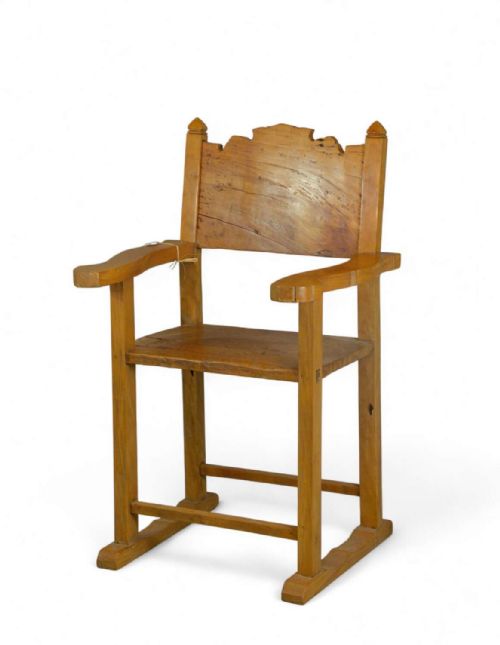

Colonial Carved Chair
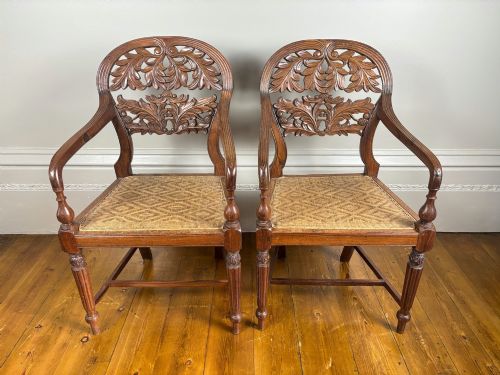
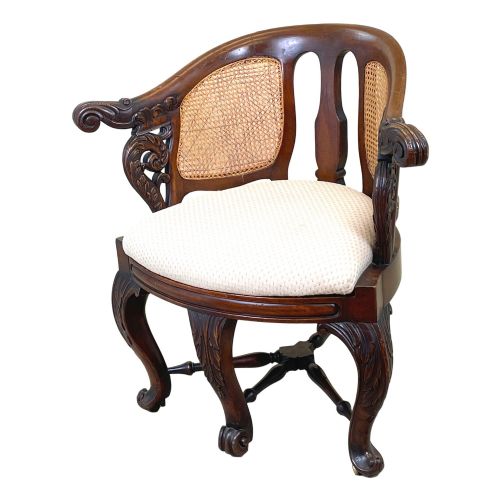
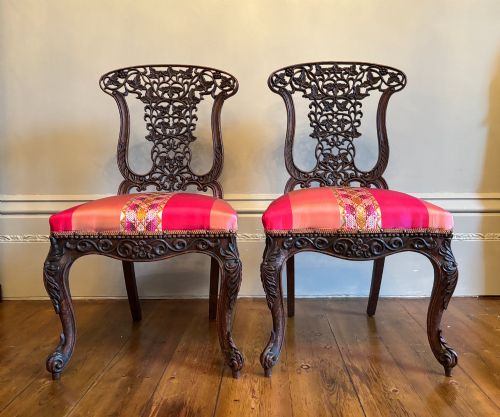
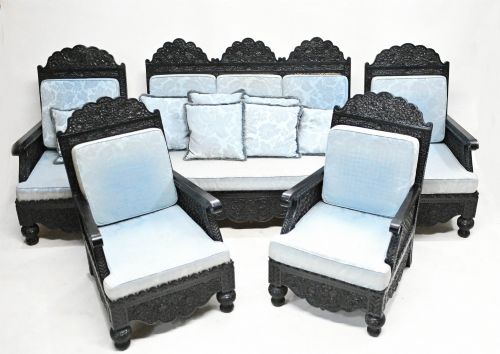
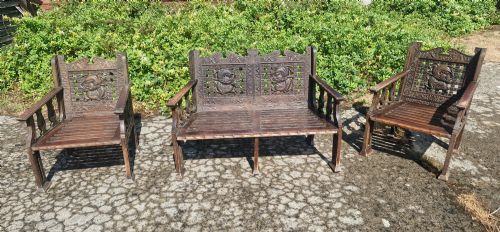
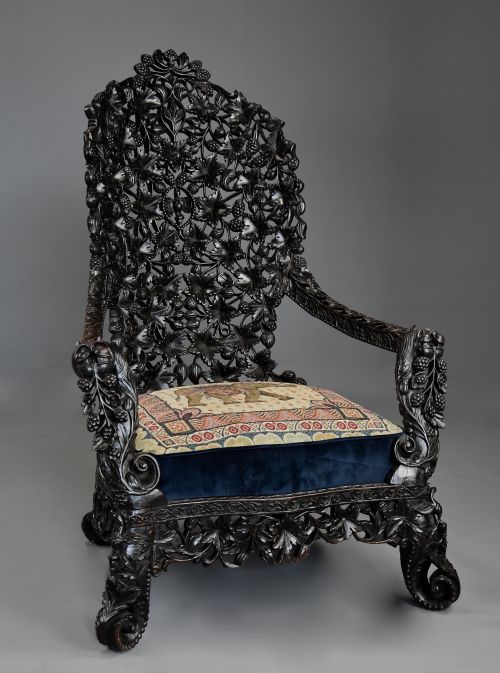
A colonial carved chair brings rich global history into a room, combining traditional craftsmanship with exotic woods.
Colonial Carved Chair
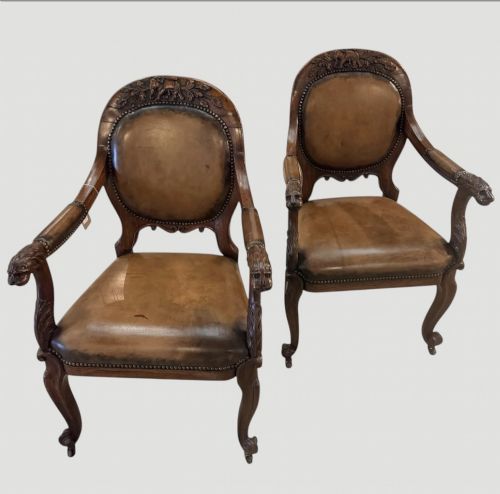
When you search for a colonial carved chair, you encounter a diverse range of seating originating from regions influenced by European trade and settlement during past centuries.
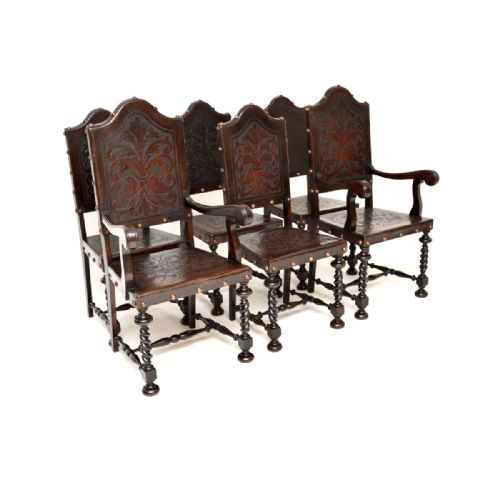
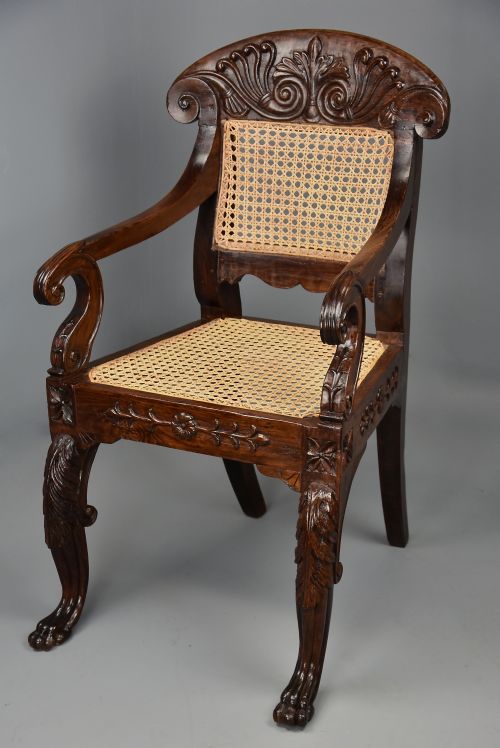
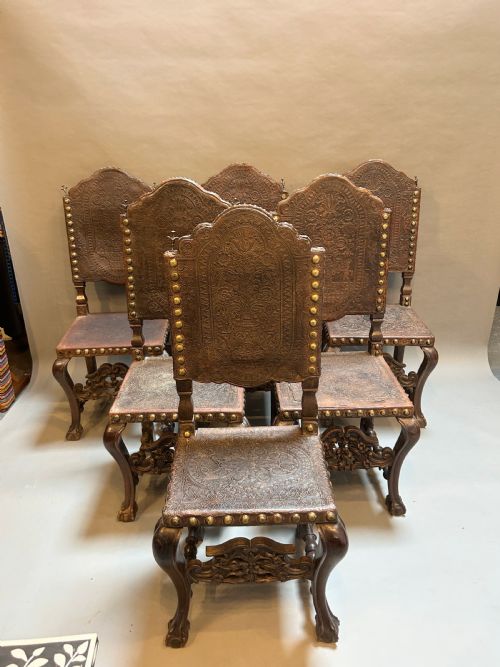
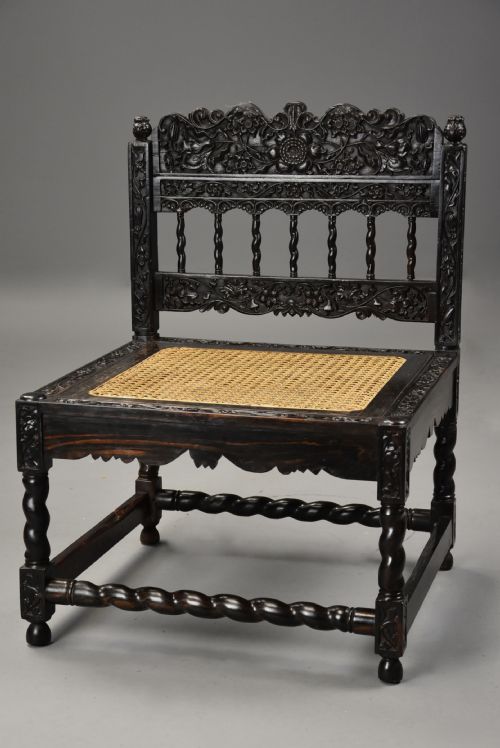
The pieces appearing on this page span the 17th to the 20th century, encompassing styles such as Anglo-Indian, Portuguese Baroque, and Spanish Revival.
Armchairs, side chairs, dining chairs, and folding campaign seats dominate the selection, frequently manifesting in robust forms suited to tropical climates.
What varies in quality
Depth and precision of the chisel work dictate the refinement of the carving, distinguishing deeply undercut foliage from shallower ornamentation.
The choice of dense, heavy heartwoods like solid ebony or rosewood elevates a piece above those constructed from standard utility hardwoods.
Colonial Carved Chair Retail Price Guide 2026
Typical asking prices for colonial carved chair among the pieces listed under this phrase on Sellingantiques today, from the lower quarter to the upper quarter. They describe what is for sale here now, not the wider market.
Listings feature woods including ebony, teak, rosewood, padauk, and satinwood across the 18th and 19th centuries.
The Colonial Carved Chair Glossary
- Anglo-Indian
- Furniture made in India during the British colonial period, blending local carving traditions with European forms. This fusion creates distinctive decorative patterns.
- Cane
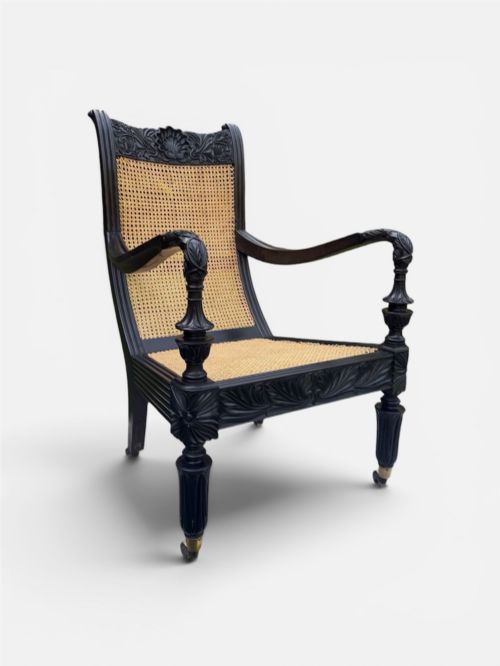
- Material woven from split rattan palm used for chair seats and backs. It provides breathable seating designed for warmer climates.
- Padauk
- A heavy, durable tropical hardwood with a reddish-orange hue that darkens with age. Artisans favoured it for intricate carving.
- Burgomeister chair
- A circular-seated armchair with a pierced back, often associated with Dutch colonial production. These chairs typically feature substantial turned legs.
Colonial Carved Chair: Frequently Asked Questions
How do I identify an Anglo-Indian chair?
Look for dense tropical hardwoods combined with intricate, deeply carved floral or figural motifs reflecting European chair designs.
Examine the construction methods and wood types to differentiate these pieces from later European reproductions.
Were folding campaign chairs used outdoors?
Yes, portable folding seats were designed for travel, military campaigns, and verandas.
Their collapsible frames allowed colonial officers and travellers to pack and move seating with ease.
How do I care for cane seating?
Keep natural cane seats clean with a soft brush and lightly dampen them occasionally to maintain elasticity.
Avoid placing these chairs near direct heat sources to prevent the organic material from drying out and snapping.
What is a plantation chair?
Plantation chairs often feature extended, wide armrests designed for resting legs.
These pieces prioritise relaxed postures suited for verandas and hot climates.