



Colonial Art Sculpture
Colonial art sculpture unites centuries of religious devotion and regional craftsmanship across various hardwood and polychrome finishes.
Colonial Art Sculpture
Colonial art sculpture encompasses devotional religious art, figures of saints, and carved wall panels originating from Spanish and Anglo-Indian contexts. These pieces bridge European stylistic traditions with local artisan materials and techniques from the seventeenth century onward.
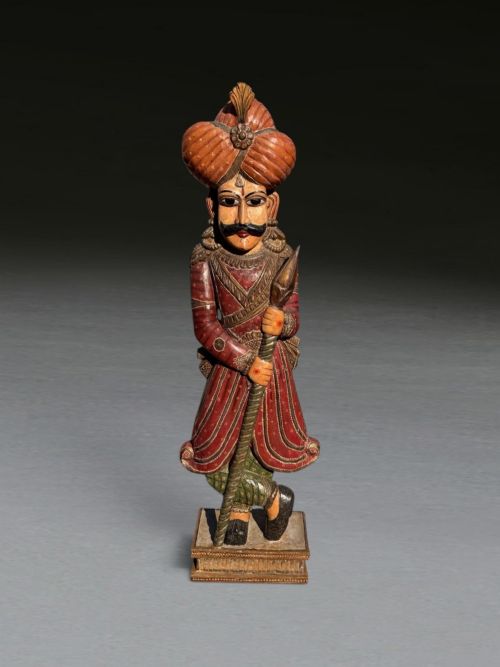
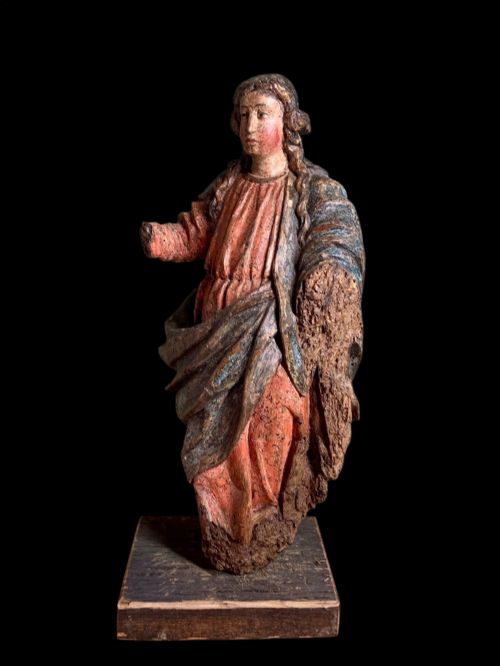
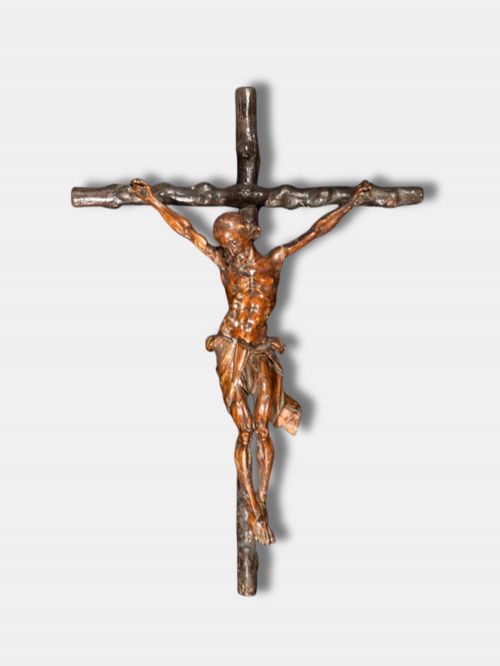
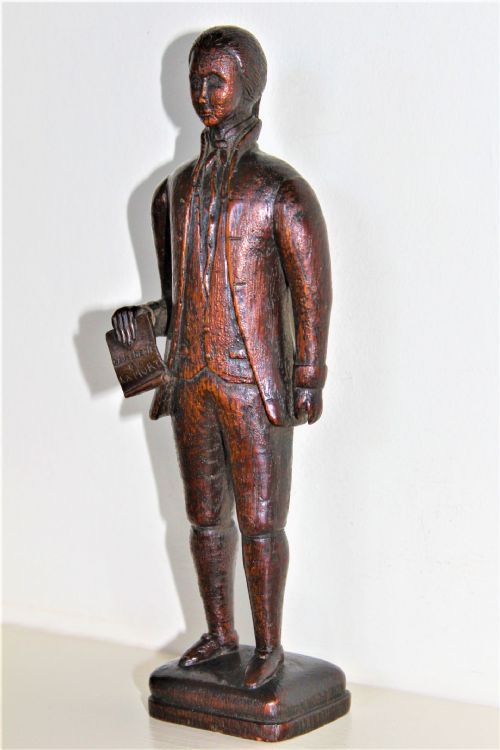
Buyers on this page most frequently encounter wooden figures and statues finished with polychrome paint, gesso, or gold leaf. Subjects range from Christian Santos and Corpus Christi crucifixes to representations of Indian soldiers, Hindu deities like Parvati, and historical portraits.
The objects span multiple centuries, showing influences from Spanish Baroque design to Indian Raj period craftsmanship. Each piece reflects the specific cultural exchange and religious requirements of its colonial origin.
Materials and construction methods
Makers shaped these sculptures primarily from solid hardwoods and carved wood, utilising local timbers suited to detailed work and deep relief carving. Artisans then prepared wooden surfaces with layers of gesso to create a smooth base for subsequent painting.
Colonial Art Sculpture Retail Price Guide 2026
Typical asking prices for colonial art sculpture among the pieces listed under this phrase on Sellingantiques today, from the lower quarter to the upper quarter. They describe what is for sale here now, not the wider market.
The inventory spans the seventeenth century to the early twentieth century across various devotional forms.
Distinctions in execution and finish
Quality rests in the precision of the carving, particularly in the rendering of facial expressions, drapery folds, and anatomical detail. Finer works display deliberate tool marks and nuanced proportions that reflect the sculptor's mastery over the hardwood.
The preservation of original surface treatments, such as early polychrome paint and gold leaf, distinguishes superior examples from those with extensive later repainting. The integrity of the ground gesso layer and the stability of the timber foundation also dictate the long-term character of the piece.
The Colonial Art Sculpture Glossary
- Polychrome
- Decorated in a variety of colours. This term describes sculpture painted with multiple pigments, often found on religious statues.
- Gesso
- A plaster-like mixture used to coat wood surfaces. It provides a smooth base for painting and gilding.
- Santos
- A traditional carved figure representing a saint. These devotional sculptures were central to domestic and church shrines in Spanish colonial territories.
- Corpus Christi
- An image of the body of Jesus Christ on the cross. These wooden figures highlight specific anatomical carving styles of the period.
- Gold leaf
- Gold beaten into extremely thin sheets used for gilding. It highlights specific details and garments on religious figures.
Colonial Art Sculpture: Frequently Asked Questions
What is a Santos figure?
A Santos figure is a carved representation of a saint used in religious devotion within Spanish colonial settings. These statues served central roles in both home shrines and churches.
They are typically carved from wood and finished with polychrome paint or gesso. Many examples display detailed textiles or traditional iconography specific to their region of origin.
How do I care for antique wood sculptures?
Antique wooden sculptures require stable indoor environments away from direct sunlight and excessive humidity. Sudden temperature changes can cause timber and gesso layers to crack.
Dusting should be done gently with a dry, soft brush to protect fragile polychrome and gold leaf surfaces. Avoid using liquid cleaners or oils on historic painted finishes.
What periods do these sculptures cover?
The listings span from the seventeenth century through to the early twentieth century. This timeline captures various stylistic shifts from Baroque influences to later colonial production.
Earlier pieces often focus strictly on Christian devotional themes, while later nineteenth-century examples include secular figures and deep relief architectural panels.
How can I tell Spanish colonial from Anglo-Indian work?
Spanish colonial pieces frequently focus on Catholic iconography such as crucifixes, Santos, and Pieta scenes executed in a Baroque style. These often utilise gesso and polychrome paint over wood.
Anglo-Indian works tend to feature regional subjects like soldiers or deities, alongside deep relief hardwood panels characteristic of the Indian Raj period. The choice of timber and specific decorative motifs usually clarifies the geographic origin.