

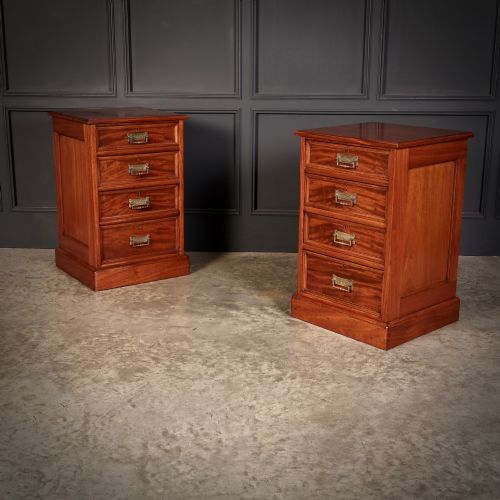
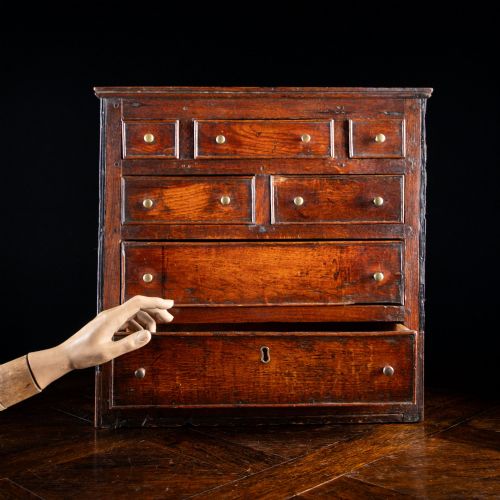
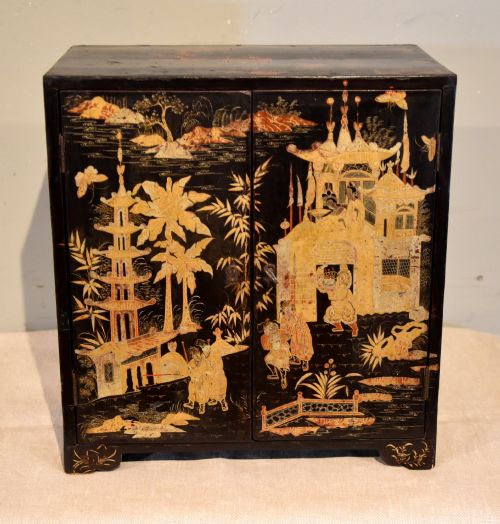
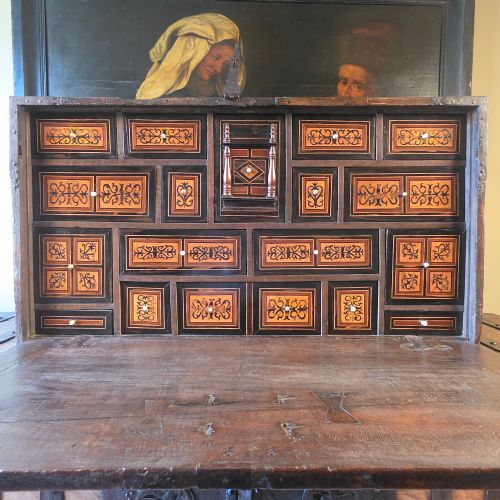
Collectors Cabinet Table
A collectors cabinet table offers a compact surface display for precious objects, combining secure storage with the elegance of miniature architecture.
Collectors Cabinet Table
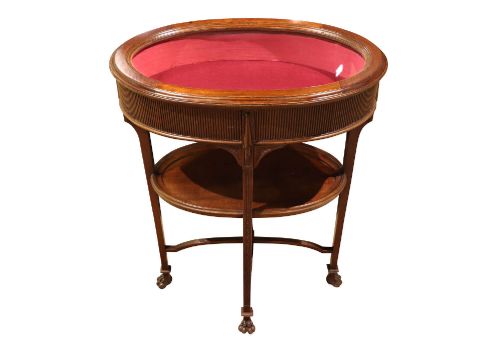
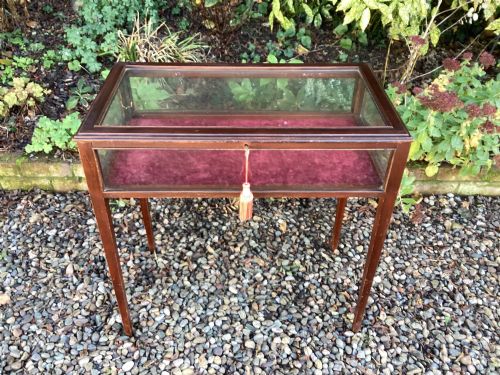
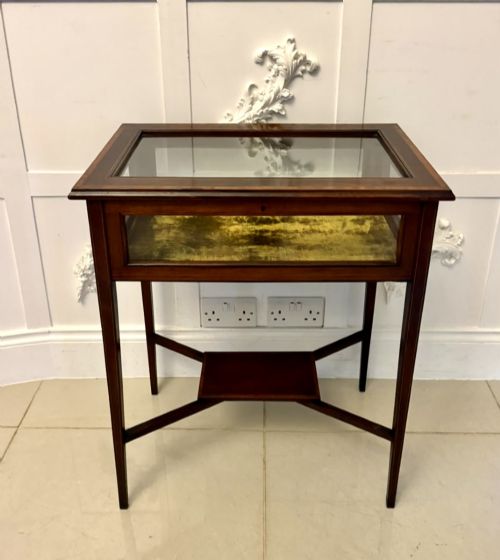
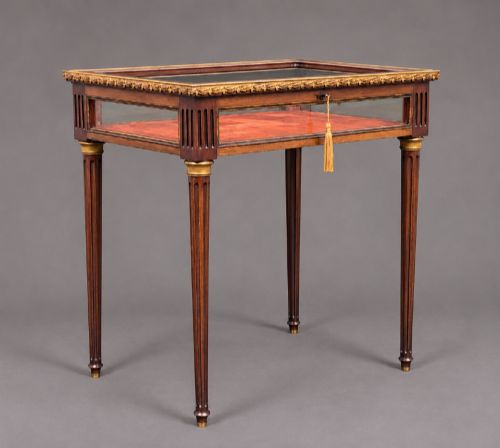
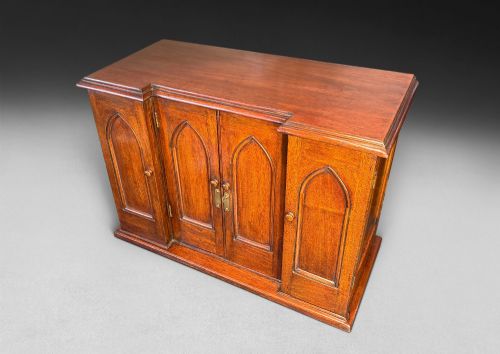
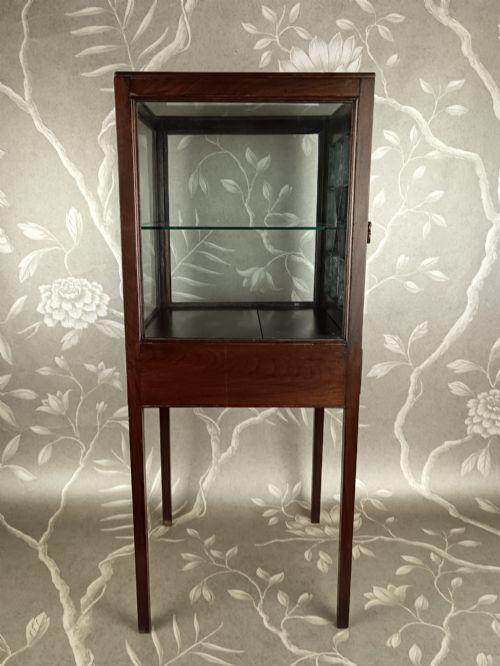
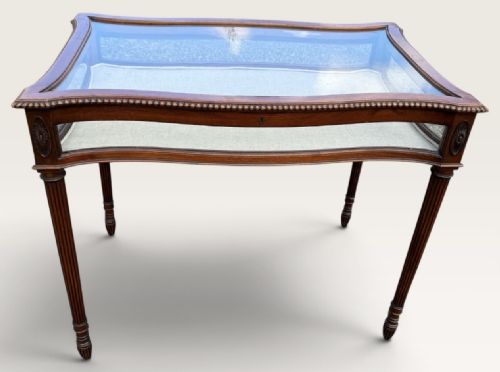
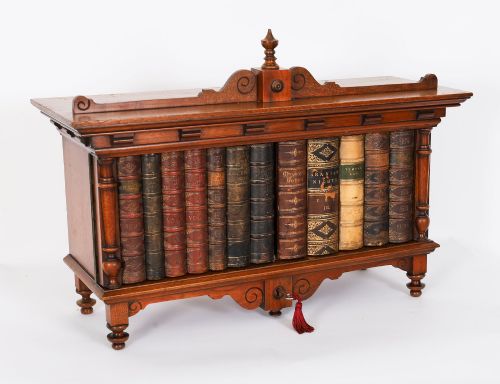
A collectors cabinet table gathers tabletop display cases, bijouterie tables, and miniature chests designed to hold small treasures within arm's reach. You will frequently encounter mahogany and walnut versions dating from the Georgian, Victorian, and Edwardian eras.
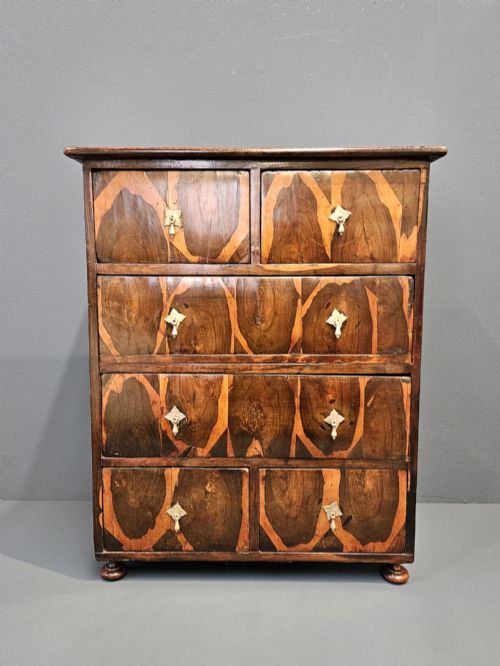
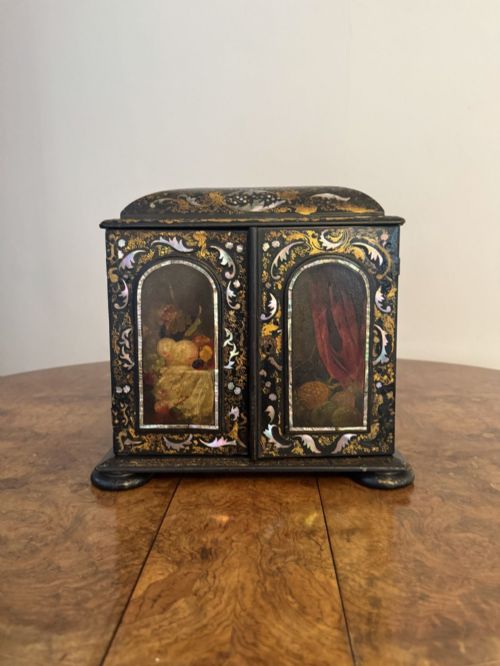
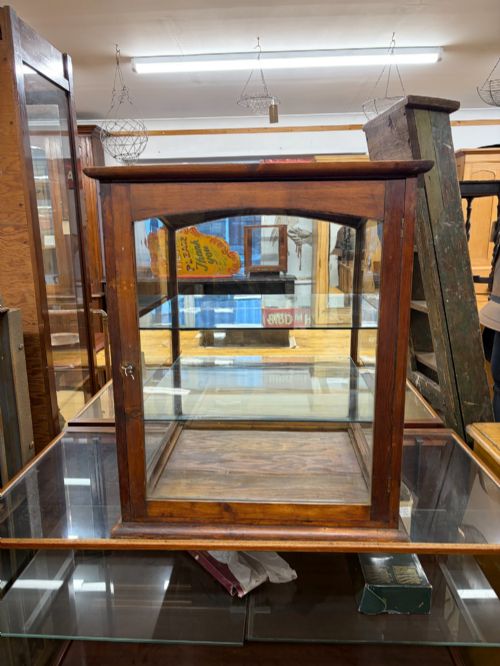
The pieces range from glazed vitrines meant for showing off curiosities to enclosed cabinets fitted with interior drawers for coins, minerals, or jewellery. These varied formats reflect centuries of private collecting habits, from 17th-century marquetry boxes to early 20th-century display tables.
Materials and Technique
Cabinet makers utilised dense hardwoods such as mahogany, oak, and walnut, often applying burr veneers or delicate satinwood inlay to create rich surface pattern. Brass hinges, locks, and handles provide structural contrast and functional security.
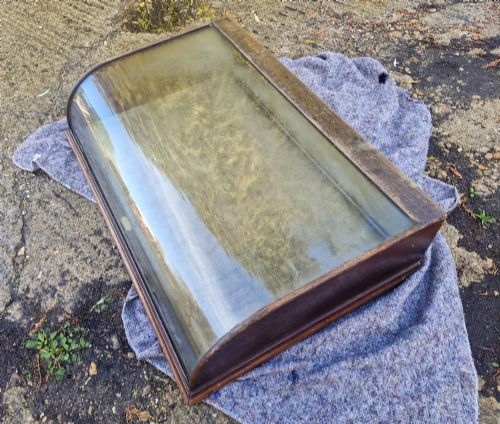
Glass panels are integrated into hinged or fitted frames to protect contents while maintaining visibility, while interiors are frequently lined with fabric or velvet to cushion delicate items.
Collectors Cabinet Table Retail Price Guide 2026
Typical asking prices for collectors cabinet table among the pieces listed under this phrase on Sellingantiques today, from the lower quarter to the upper quarter. They describe what is for sale here now, not the wider market.
Several vintage display tables bear later sign-written details for Breitling watches, revealing their unexpected mid-century service in commercial showrooms.
Judging Quality
Quality rests in the crispness of the cabinet work, from tightly fitted drawer joints to the precision of inlaid borders and carved details. The choice of timber grain, particularly matched burr walnut or figured mahogany, distinguishes ambitious pieces from routine workshop output.
Hardware integrity and original glass panes elevate a piece, showing that the cabinet has retained its functional and aesthetic coherence over centuries.
The Collectors Cabinet Table Glossary
- Bijouterie table
- A glass-topped display table specifically designed for showing jewellery, medals, and small decorative items. These tables usually stand on slender legs and feature a hinged or lift-off glazed top.
- Vitrine
- A glass-panelled cabinet or case used for displaying porcelain, curiosities, or specimens. The term derives from the French word for glass.
- Marquetry
- The art of applying decorative pieces of veneer to a structure to form intricate patterns or pictures. Craftsmen use contrasting woods, metals, or shell.
- Escritoire
- A small writing desk, often fitted with a cabinet section containing small drawers and compartments for letters and stationery. They frequently sit upon a table or larger chest.
- Penwork
- A decorative technique involving intricate ink drawings applied directly to a prepared wooden surface, often finished with a clear protective varnish.
Collectors Cabinet Table: Frequently Asked Questions
What were collectors cabinet tables used for?
These pieces served as secure, organised repositories for valuable miniatures, coins, gems, and natural history specimens. Wealthy collectors used them to study and display delicate items away from dust and handling.
Over time, the function shifted toward decorative exhibition, allowing owners to showcase curiosities in drawing rooms and reception spaces.
How do I tell an 18th-century piece from a Victorian one?
Eighteenth-century examples often display simpler, robust timber construction in oak or solid mahogany with hand-cut dovetails and understated brasswork. Victorian pieces frequently feature elaborate veneers like burr walnut, richer interior velvet linings, and more complex locking mechanisms.
Stylistic revivals during the 19th century also borrowed heavily from earlier periods, requiring close inspection of secondary woods and construction methods to confirm age.
Where should I place a table cabinet in my home?
These cabinets suit surfaces where they can be viewed at close quarters, such as a sturdy desk, chest of drawers, or dedicated stand. Bijouterie display tables function well in living rooms or studies as focal points for small collections.
Keep them away from direct sunlight and strong heat sources to protect sensitive wood veneers, interior fabrics, and aged adhesives.
Are the glass panels usually original?
Many surviving cabinets retain their early or original glass, which often exhibits subtle surface ripples, small air bubbles, or minor thickness variations. Replacement glass tends to be perfectly flat and lacks these historical irregularities.
Checking the putty or glazing beads can also help determine whether the glazing has been disturbed or renewed in later restorations.