
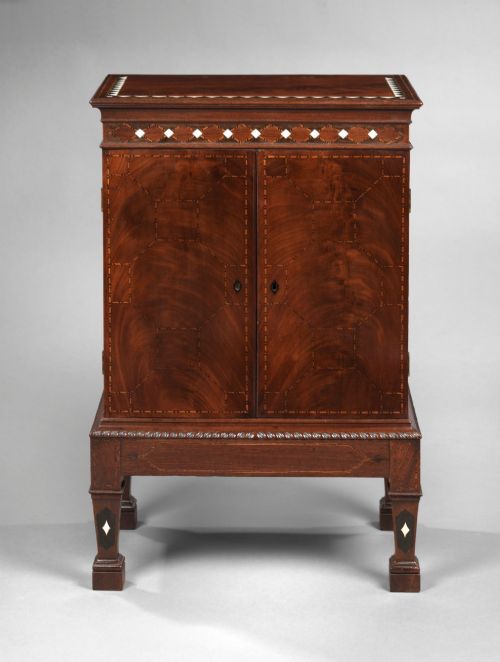
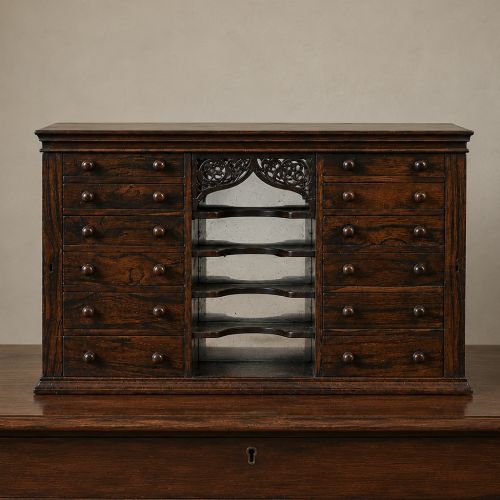
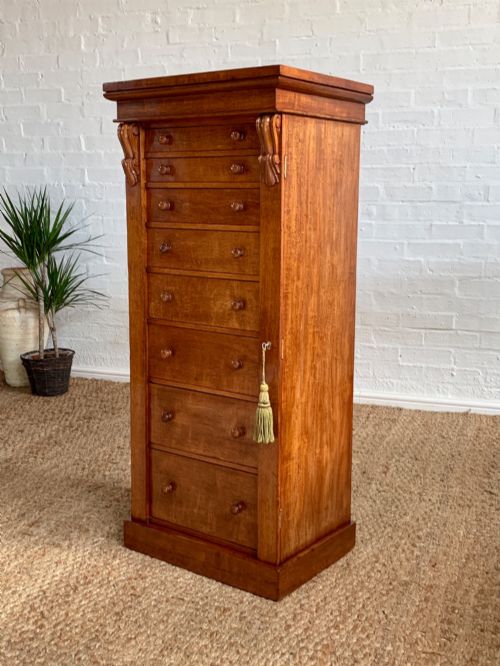
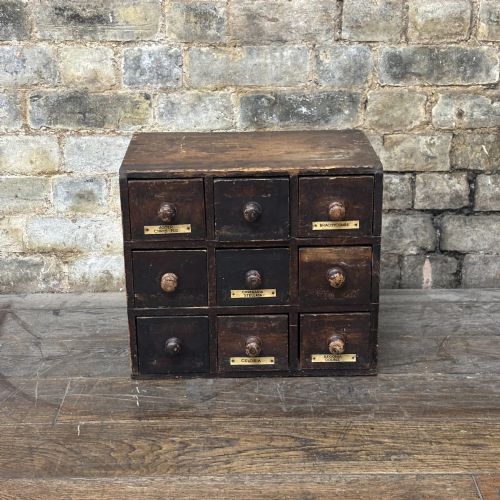
Collector Specimen Chest
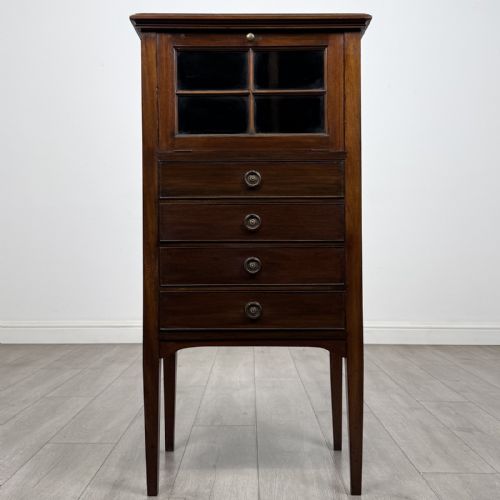
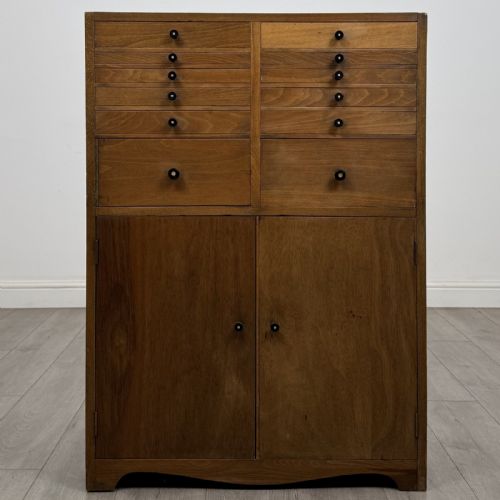
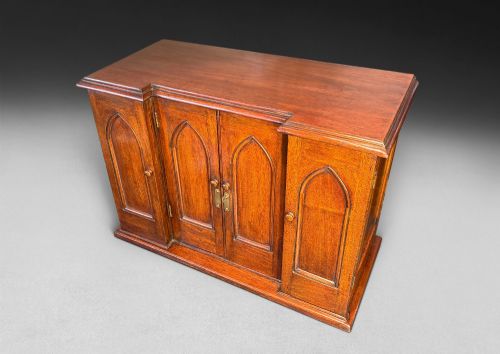
A collector specimen chest organises small objects of natural history or craftsmanship in neat tiers of shallow drawers.
Collector Specimen Chest
A collector specimen chest organises miniature treasures, insects, minerals, and natural history items within compact, multi-drawer carcases designed for careful study. These pieces span from the 18th century through the Georgian, Victorian, and Edwardian periods, reflecting changing scientific pursuits and domestic hobbies.
Materials and Joinery
Construction relies heavily on dense hardwoods such as mahogany, walnut, and oak, alongside utilitarian softwoods like pine and deal. Cabinetmakers built these pieces with tight internal tolerances to protect delicate contents from dust and humidity.
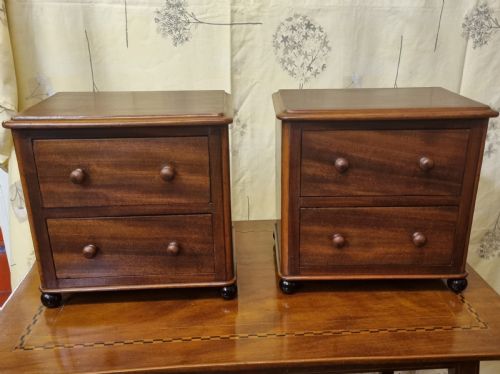
Hardware details typically include brass handles, recessed campaign grips, and turned wooden knobs that secure numerous shallow drawers. Finishes range from polished French polish on formal Victorian examples to simpler stained surfaces on utility medical and apothecary chests.
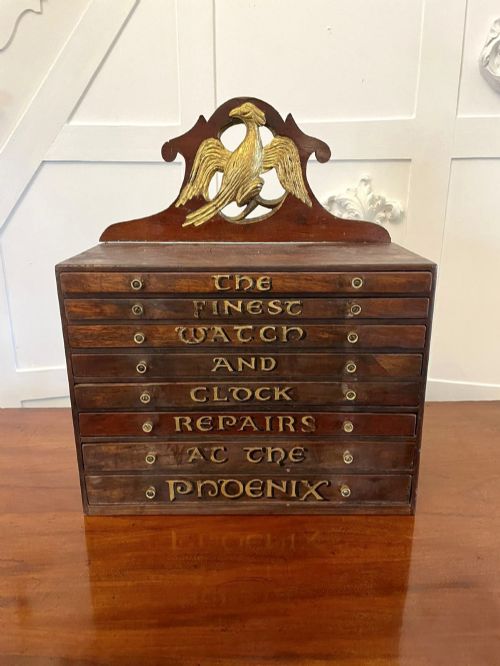
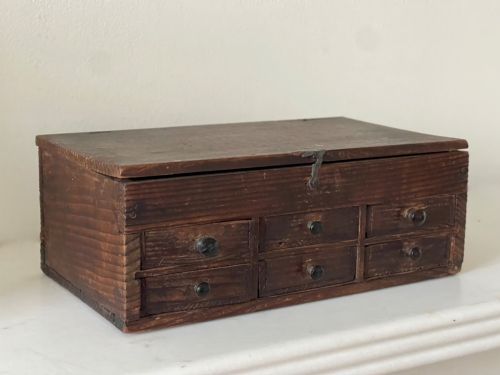
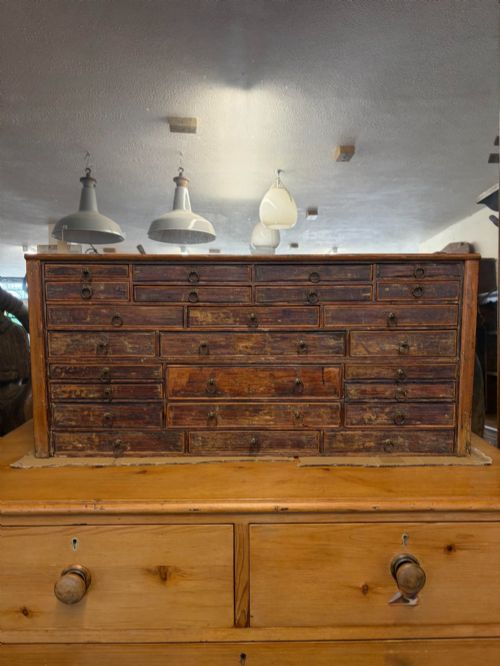
Formats range from miniature tabletop apothecary chests to massive banks comprising over thirty individual drawers.
Indicators of Excellence
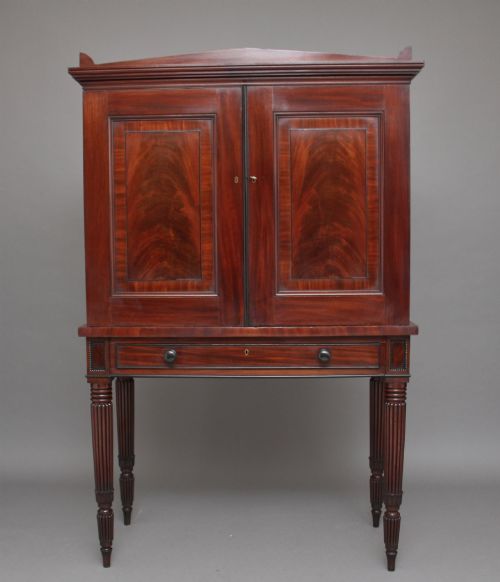
Quality in a collector specimen chest rests on the density of the timber and the precision of the drawer construction. Finer examples display figured mahogany, satin walnut, or matched veneers, whereas utilitarian versions utilise plain deal or pine.
The sophistication of the internal arrangement dictates value, with specialised compartmentalised trays for insects, microscope slides, or botanical specimens elevating a piece well above standard multi-drawer chests.
Luxmore's of Ilfracombe·Watkins & Doncaster·Brady of Edmonton·D Napier & Sons·James Gardner
The Collector Specimen Chest Glossary
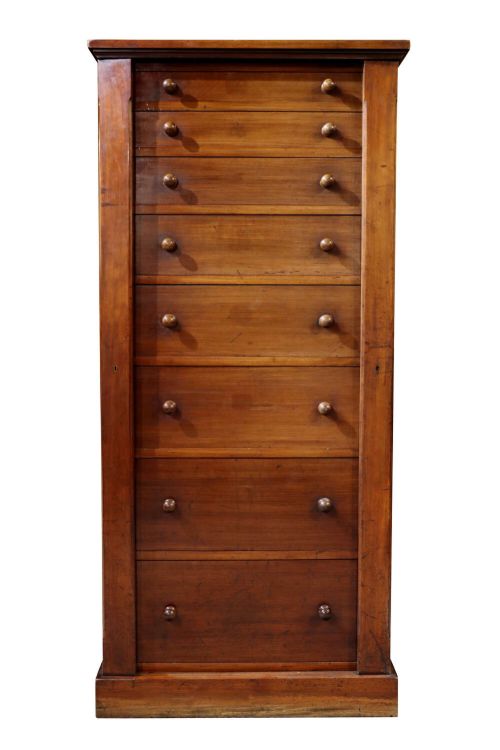
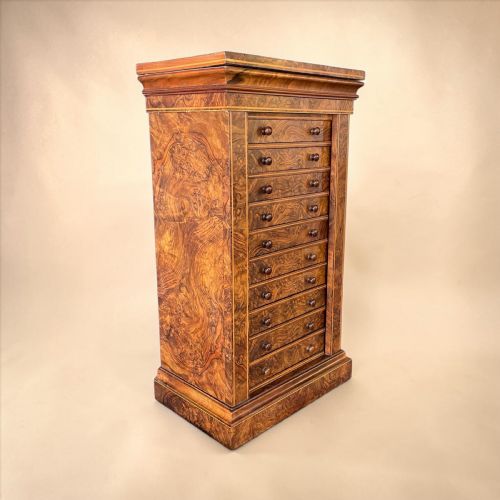
- Wellington chest
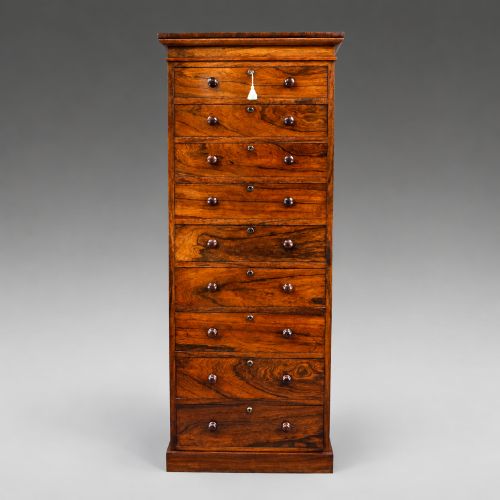
- A tall, slender chest of drawers featuring a hinged locking stile on one side that secures all drawers simultaneously. It originated during the nineteenth century and often houses specimens or jewellery.
- Apprentice piece
- A small-scale model demonstrating a cabinetmaker's skill to attain master status. These miniature chests replicate full-sized furniture designs.
- Apothecary chest
- A multi-drawer cabinet originally utilised by chemists or doctors for storing medicines and herbs. They frequently feature numerous small drawers and occasionally retain glass bottles.
- Table-top cabinet
- A compact cabinet designed to sit upon a desk, table, or sideboard rather than stand independently on the floor. They provide accessible storage for miniature collections.
Collector Specimen Chest: Frequently Asked Questions
What were specimen chests originally used for?
Naturalists and collectors utilised these multi-drawer cabinets to organise delicate items such as butterflies, beetles, and botanical samples. The shallow drawers protected fragile scientific collections from light and dust.
Over time, physicians and apothecaries also adopted similar multi-drawer formats for storing medicines, instruments, and medical equipment.
How do I date a Victorian specimen chest?
Examination of the timber, drawer construction, and hardware provides clear indicators of age. Mid-nineteenth-century examples often feature solid mahogany with hand-cut dovetails and turned wooden knobs.
Later Victorian pieces from the 1880s and 1890s may incorporate walnut, satin birch, or machine-sawn components alongside brass handles and locking stiles.
Are tabletop chests different from standard cabinets?
Tabletop chests are simply scaled down to sit comfortably upon a desk or surface rather than standing directly on the floor. They share the same meticulous multi-drawer construction found in larger floor-standing cabinets.
Many incorporate specialist internal layouts designed specifically for housing geological specimens, coins, or microscope slides.
How should I care for an antique wooden chest?
Maintaining stable indoor humidity prevents the dry wood from cracking and protects delicate internal drawer runners. Gentle dusting with a dry, soft cloth preserves the original polish without stripping the patina.
Avoid placing antique timber cabinets near direct heat sources or in prolonged direct sunlight to protect the natural finish and colour.