



Collectible Wedgwood Lustre
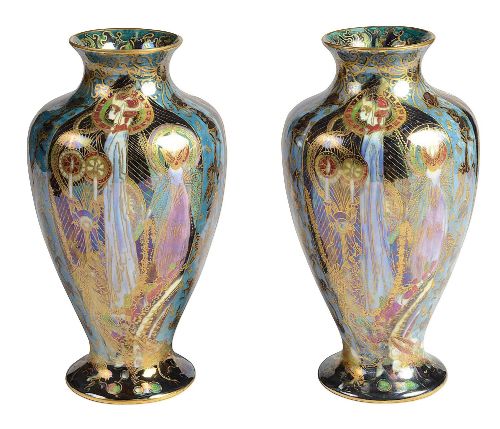
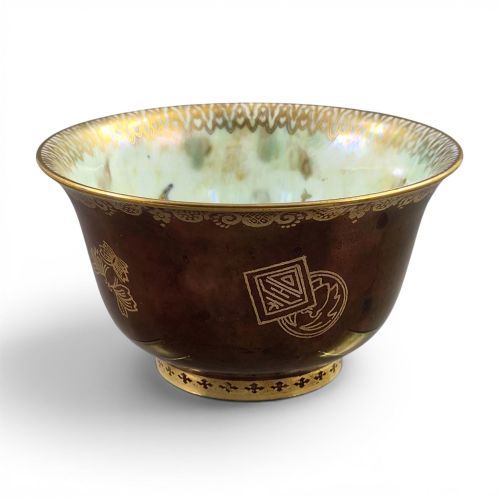
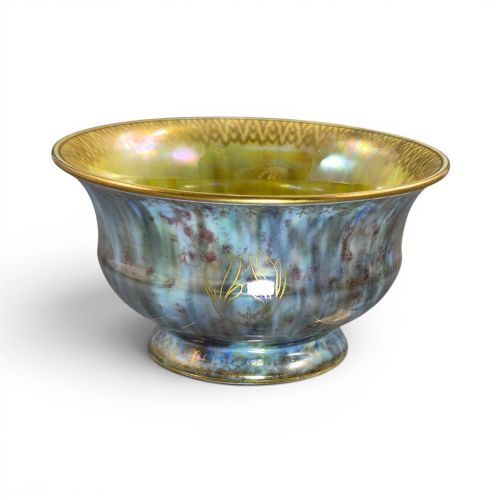
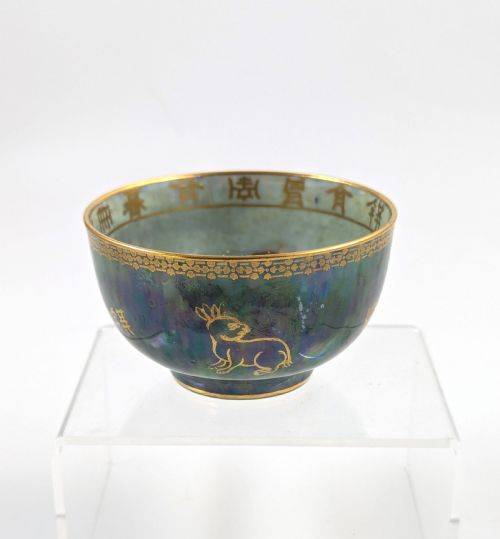
Collectible wedgwood lustre pieces bring vibrant colour and iridescent surfaces to a room, offering striking decorative bowls and vases.
Collectible Wedgwood Lustre
These items are decorative bowls and vases produced during the Edwardian period, 1910, and 1920, representing distinct artistic styles such as Art Deco and Art Nouveau.
The most common forms on this page are decorative bowls and baluster vases, often featuring elaborate imaginary or naturalistic themes.
Originating from British production, these ceramics rely on specialist surface treatments to achieve their characteristic metallic sheen.
How they were made
The manufacture of these pieces involves porcelain or bone china shaped into vases and bowls, then finished with a specialised lustre glaze.
Makers applied enamel paints alongside gold leaf, gold gilding, and gilt highlights to enrich the decorative surface.
Firing techniques interacted with metallic oxides in the glaze to create the signature iridescent finish.
Collectible Wedgwood Lustre Retail Price Guide 2026
Typical asking prices for collectible wedgwood lustre among the pieces listed under this phrase on Sellingantiques today, from the lower quarter to the upper quarter. They describe what is for sale here now, not the wider market.
Listings feature items from the Edwardian period, 1910, and 1920, spanning Art Deco and Art Nouveau styles.
What varies in quality
Quality differences stem from the complexity and precision of the surface decoration, particularly how cleanly the enamel and gilt details align with the lustre glaze.
The ambition of the design dictates distinction, moving from simpler geometric patterns to elaborate thematic landscapes involving figures and mythical creatures.
Daisy Makeig Jones·Wedgwood
The Collectible Wedgwood Lustre Glossary
- Lustre glaze
- A type of ceramic glaze containing metallic oxides that produce an iridescent, metallic sheen upon firing. It reflects light in shifting rainbow colours.
- Bone china
- A type of soft-paste porcelain composed of bone ash, feldspathic material, and kaolin. It provides a bright white body suitable for detailed enamel work.
- Baluster vase
- A vase shape with a rounded body that tapers toward the top, resembling a traditional architectural baluster. This form frequently displays wraparound pictorial designs.
- Gilt
- A thin layer of gold applied to the ceramic surface for ornamentation. It accentuates the rims, handles, and internal patterns of bowls and vases.
Collectible Wedgwood Lustre: Frequently Asked Questions
What are collectible wedgwood lustre pieces?
These are ceramic decorative bowls and vases finished with metallic and iridescent glazes, predominantly produced during the early twentieth century.
They showcase intricate enamel painting and gilding, often depicting fantastical scenes or natural motifs.
How were these bowls and vases used?
They served primarily as ornamental objects for display within Edwardian and Art Deco interiors rather than for utilitarian purposes.
Their reflective surfaces and detailed designs were intended to catch the light in formal reception rooms.
How do I identify the period?
Dating relies on stylistic markers associated with the Edwardian era, 1910, and 1920, alongside specific glaze patterns.
Art Nouveau and Art Deco influences help narrow the manufacturing timeframe of individual items.
What materials are used?
The core bodies consist of porcelain or bone china, which provide a smooth white foundation for the decoration.
Surfaces incorporate lustre glaze, enamel, gold leaf, and gilt highlights to build up the colourful designs.