



Collectible Wedgwood Art
Collectible wedgwood art comprises glazed porcelain and bone china vessels from the Edwardian period and the 1920s.
Collectible Wedgwood Art
Collectible wedgwood art centres on vibrant lustre glaze creations designed during the early twentieth century. These works take the form of decorative bowls and baluster vases.
The most common examples on this page are lustre bowls and vases created by the designer Daisy Makeig Jones. Pieces span the Edwardian era, 1910, and 1920.
Makers and designers applied elaborate patterns like Candlemas, butterflies, and coiling dragons to porcelain surfaces. The resulting items demonstrate distinct Art Nouveau and Art Deco sensibilities.
How they were made
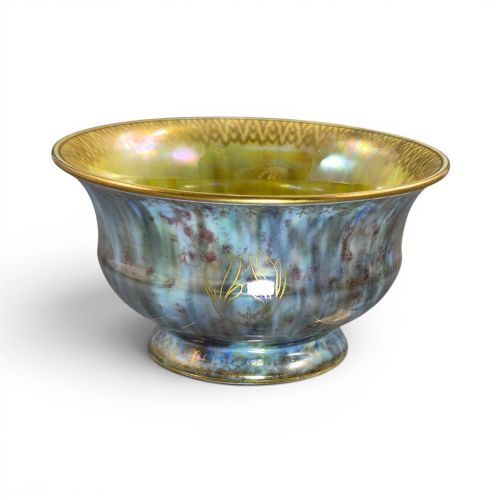
Potters shaped porcelain and bone china into vessels such as baluster vases and decorative bowls. Artisans then applied intricate lustre glazes to create iridescent surface sheens.
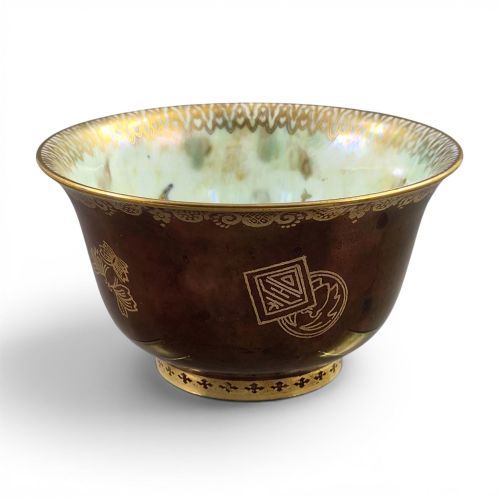
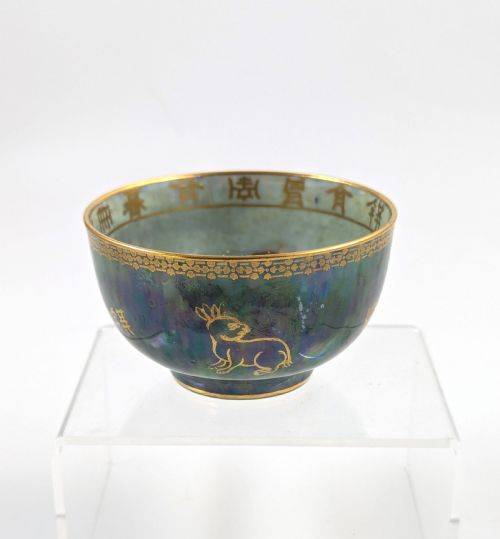
Makers embellished the forms using enamel pigments alongside gold leaf, gold gilding, and gilt highlights. These metallic additions defined designs like the Candlemas and dragon motifs.
Collectible Wedgwood Art Retail Price Guide 2026
Typical asking prices for collectible wedgwood art among the pieces listed under this phrase on Sellingantiques today, from the lower quarter to the upper quarter. They describe what is for sale here now, not the wider market.
Listings feature porcelain and bone china enhanced with lustre glaze, enamel, and gold leaf from the Edwardian period and the 1920s.
What varies in quality
Quality rests upon the complexity of the painted motif and the richness of the lustre glaze. Pieces featuring detailed pictorial narratives demand greater skill than simpler geometric patterns.
The precision of the enamel application and the distribution of gold leaf or gilding distinguish finer examples. The depth of the iridescent glaze determines the visual impact of each vessel.
Daisy Makeig Jones·Wedgwood
The Collectible Wedgwood Art Glossary
- Lustre Glaze
- A metallic glaze finish that produces an iridescent, pearlescent sheen on ceramic surfaces. This technique creates the glowing colour shifts characteristic of early twentieth-century wares.
- Baluster Vase
- A decorative vessel featuring a rounded body that tapers toward a narrow neck and a flared base. The shape supports elaborate wraparound pictorial designs.
- Bone China
- A type of porcelain incorporating animal bone ash for added strength and translucency. It serves as a smooth white canvas for brightly coloured enamels.
- Gold Gilding
- The application of a thin layer of gold or gilt to highlight rims, handles, and painted motifs. This adds a reflective metallic contrast to the glazed porcelain.
- Art Deco
- A design style of the 1920s defined by stylised motifs and sleek geometric forms. It influenced the framing and structure of many ceramic patterns from that decade.
Collectible Wedgwood Art: Frequently Asked Questions
What periods do these pieces date from?
These ceramic works date primarily from the Edwardian era, 1910, and 1920. The designs align with Art Nouveau and Art Deco movements.
Most items originate from the early twentieth century during the active period of designer Daisy Makeig Jones.
How were these bowls and vases used?
These vessels served strictly as ornamental items for display within Edwardian and 1920s interiors. Their rich glazes and pictorial scenes made them focal points on mantelpieces and cabinets.
They were not intended for everyday dining or utility purposes.
How do I care for lustre glaze?
Dust these ceramic pieces gently with a soft, dry cloth to protect the delicate enamel and gold leaf. Avoid harsh cleaning agents or abrasive materials that might scratch the iridescent surface.
Keep them away from direct sunlight to preserve the vibrant tones of the glaze.
How do I recognise a Daisy Makeig Jones design?
Look for imaginative narrative motifs such as fairies, dragons, and candlemas scenes rendered in brilliant lustre colours. These intricate compositions often incorporate extensive gilding and detailed borders.
Her work is characteristic of the whimsical porcelain produced during the 1910s and 1920s.