






Collectible Trinket Boxes
Collectible trinket boxes range from silver vinaigrettes to carved wood snuff boxes, offering compact craftsmanship that appeals to both daily users and cabinet collectors.
Collectible Trinket Boxes
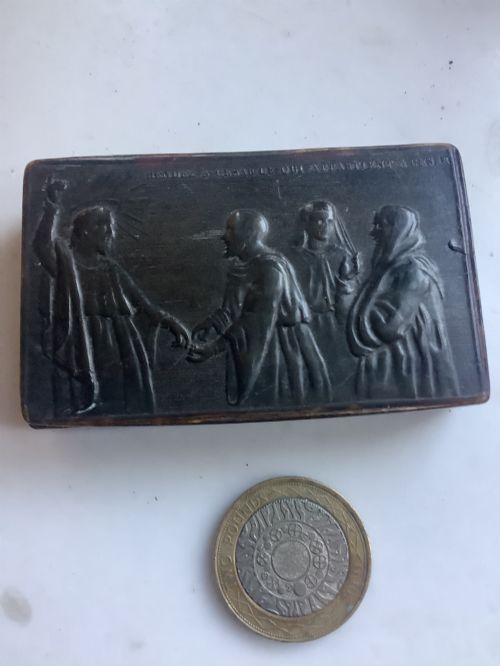
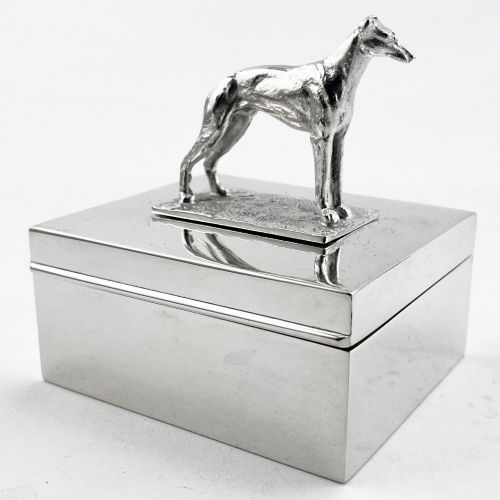
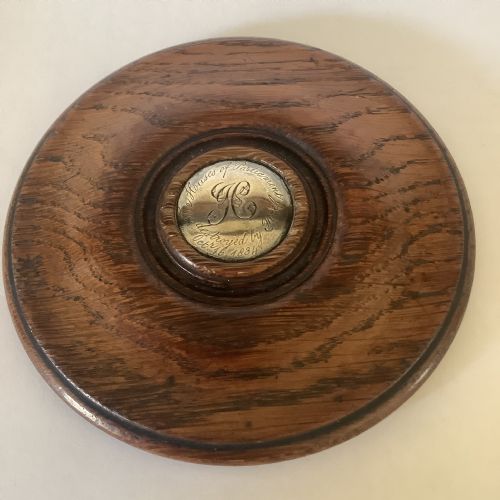
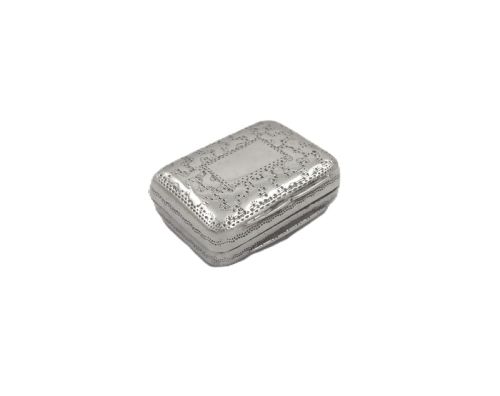
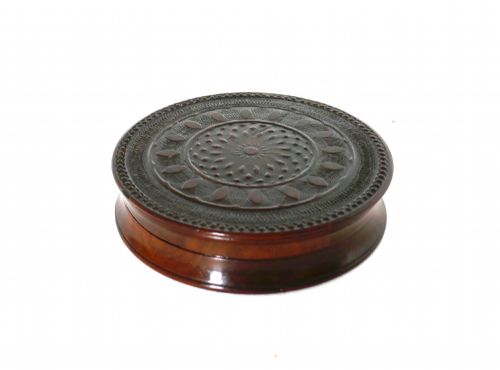
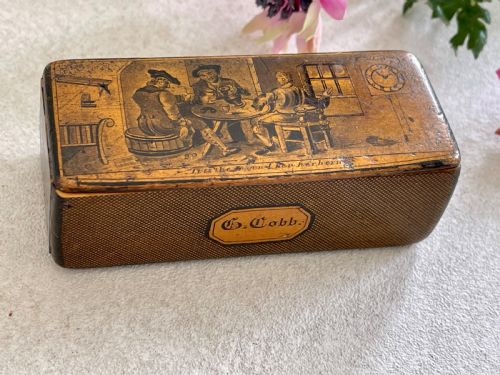
Collectible trinket boxes encompass small containers designed for personal items like snuff, pills, patches, and small keepsakes. The selection leans heavily towards 19th-century and Georgian pieces, including silver boxes alongside turned wood and tortoiseshell examples.
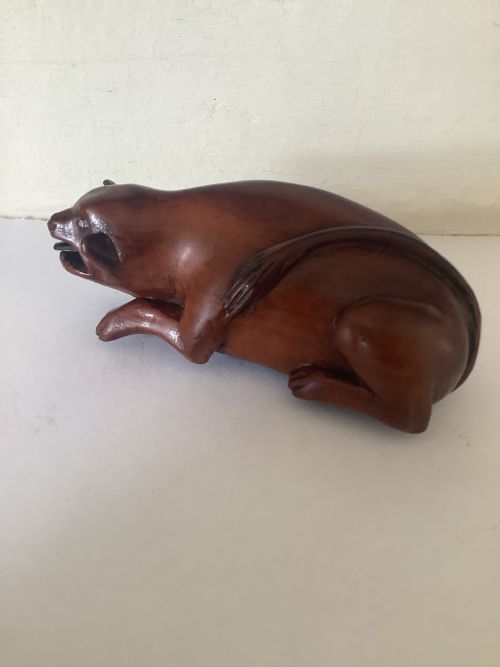
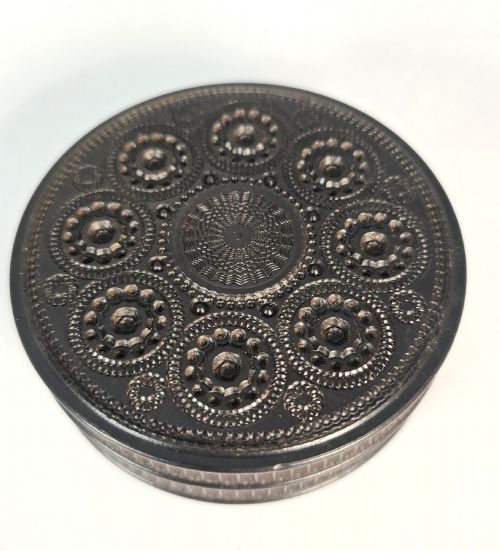
The objects span multiple forms, from functional vinaigrettes equipped with sponges to novelty carved treen and decorated papier-mâché boxes. Makers and materials vary widely across the centuries represented here, reflecting shifts in personal accessorising.
Buyers encounter everything from plain pocket silver to elaborate enamel patch boxes and straw work souvenirs. Each form serves as a tangible link to Georgian and Victorian social habits.
How They Were Made
Metalsmithing dominates the precious metal pieces, utilising sterling silver and silver gilt shaped through casting, embossing, and engine turning. Silversmiths inscribed crests and patterns onto lids, sometimes incorporating coin insets or guilloche enamel.
Organic materials such as tortoiseshell, mother of pearl, and dense hardwoods like ebony, laburnum, and coquilla were laboriously carved and turned on lathes. Tunbridge ware utilised mosaic woodwork, while others employed painted tin, papier-mâché, and straw work.
Collectible Trinket Boxes Retail Price Guide 2026
Typical asking prices for collectible trinket boxes among the pieces listed under this phrase on Sellingantiques today, from the lower quarter to the upper quarter. They describe what is for sale here now, not the wider market.
Listings feature 18th-century enamel patch boxes alongside 19th-century treen and mid-century silver pill boxes.
What Varies in Quality
Execution of detail separates basic containers from masterworks, evident in the crispness of engine-turning and the depth of hand-carved relief. Surface decoration, such as finely painted enamel or intricate pen work, dictates aesthetic standing.
Material selection and structural integrity define the upper tier, where precious metals carry clear assay marks and organic shells retain their natural lustre without warping. Mechanisms like hinges and lids that close flush distinguish careful workshop production from mass output.
Joseph Willmore·Nathaniel Mills·Henry Matthews·Edward Smith·Elkington And Co·James Phipps·Hermes Paris
The Collectible Trinket Boxes Glossary
- Vinaigrette
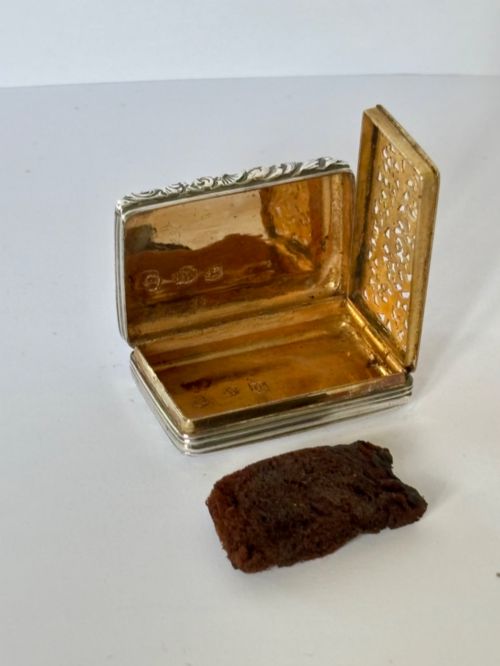
- A small hinged box containing a perforated grill and a sponge soaked in aromatic vinegar. These were carried to mask unpleasant odours or revive someone feeling faint.
- Treen
- Small handmade wooden objects produced from domestic hardwoods. Collectors prize these for their tactile surfaces and variety of functional forms.
- Guilloche
- A decorative technique where a mechanical lathe etches precise, intricate geometric patterns into metal. Enamel is frequently applied over this engraving to create depth of colour.
- Bilston Enamel
- Enamel painted on copper originating from Bilston workshops during the 18th century. These small patch boxes and bonbonnieres display vivid miniature painting.
- Tunbridge Ware
- Woodware decorated with mosaic patterns created from thousands of tiny tinted wood blocks. This regional craft produced distinctive whitewood and hardwood souvenir items.
Collectible Trinket Boxes: Frequently Asked Questions
What is a vinaigrette box?
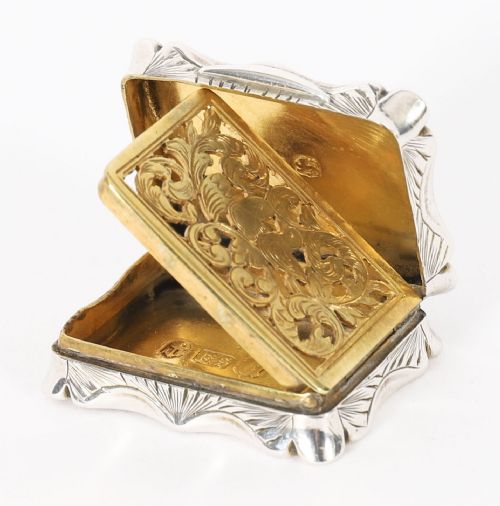
A vinaigrette is a small silver container featuring an internal hinged grille that holds a vinegar-soaked sponge. People carried them in pockets or reticules during the Georgian and Victorian eras to combat foul odours.
The interior sponge compartment distinguishes them from standard snuff boxes. Collectors look for undamaged internal gilding and pierced decorative grilles.
How do I date antique silver boxes?
Silver boxes usually feature hallmarks stamped directly onto the metal, indicating the assay office, standard mark, and date letter. Makers' marks also help identify the silversmith and operating period.
Matching these stamps against official assay records provides an exact year of manufacture. Pieces lacking hallmarks rely on stylistic evidence and material characteristics.
What was Tunbridge Ware used for?
Tunbridge Ware comprised small wooden boxes, stacking pots, and desk items covered in mosaic wood tesserae. Victorians purchased them as fashionable souvenirs in Kent.
The surface patterns mimic natural flora and geometric tiles using native and exotic woods. Complete sets and intact mosaic panels are particularly sought after by decorative arts collectors.
How should I clean antique treen?
Antique treen requires minimal intervention to preserve the natural patina built up over centuries of handling. A soft, dry cloth removes surface dust without damaging dry wooden surfaces.
Harsh cleaning agents or excessive moisture strip the historical finish and ruin the wood. Periodic application of specialist wax helps maintain hard woods without altering colour.