





Collectible Treen Wood
Collectible treen wood comprises small, functional domestic objects shaped from timber, offering a tangible link to past daily life.
Collectible Treen Wood
Collectible treen wood items encompass small utilitarian and decorative wooden objects created for domestic, professional, and personal use. When browsing this selection, buyers encounter domestic implements and personal accessories spanning the seventeenth century through to the Edwardian period.
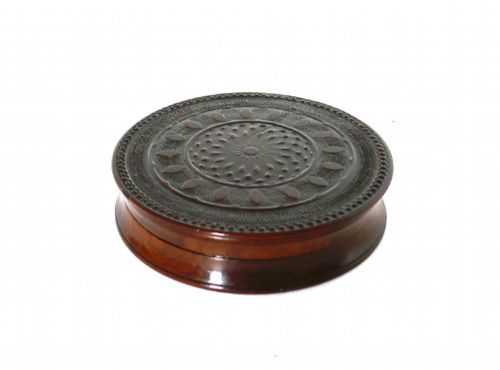
The most common forms appearing here are pocket items such as snuff boxes, nutmeg graters, and puzzle balls, alongside kitchenalia and functional tools like mortars, pestles, and nutcrackers. Many surviving examples date from the nineteenth century, reflecting the widespread reliance on turned and carved timber before the dominance of mass-manufactured plastics and metal.
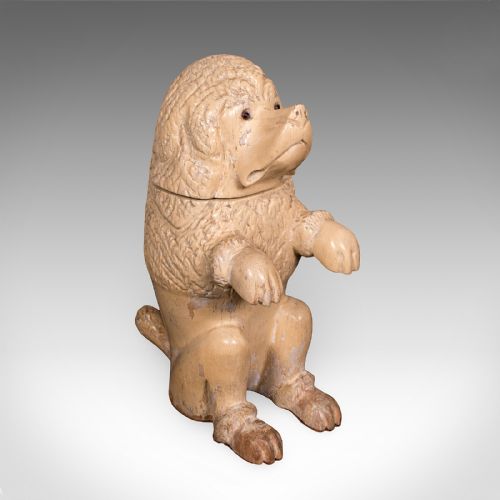
Objects range from plain turned bowls and barrels to intricately carved figural pieces, including nutcrackers shaped like animals or shoes and snuff boxes formed as wood planes or ladies' feet. These artefacts highlight historical domestic habits, social pastimes, and occupational tasks across English, Scottish, Welsh, and continental origins.
How they were made
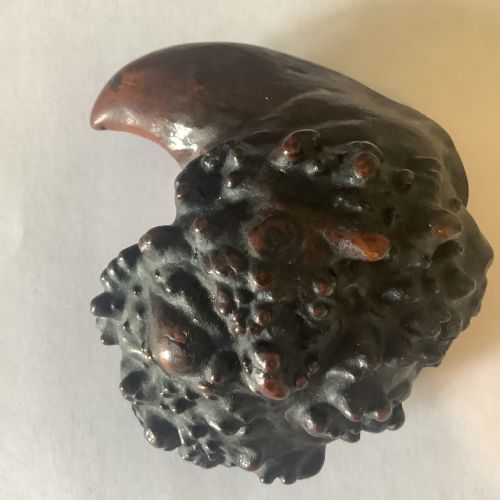
Makers utilised dense hardwoods such as lignum vitae, walnut, mahogany, laburnum, yew, beech, and various fruitwoods to withstand the rigorous handling required by domestic implements. The choice of timber often dictated the method of production, relying on natural grain patterns and tonal variations for visual interest without relying on applied surface decoration.
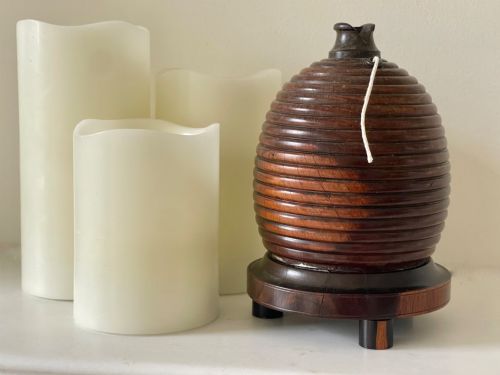
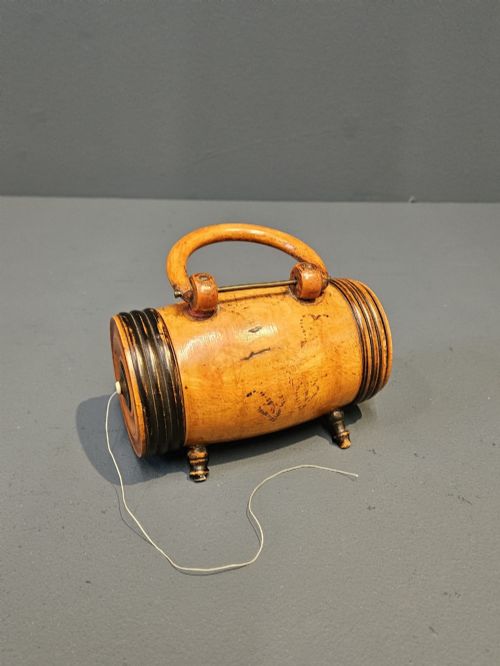
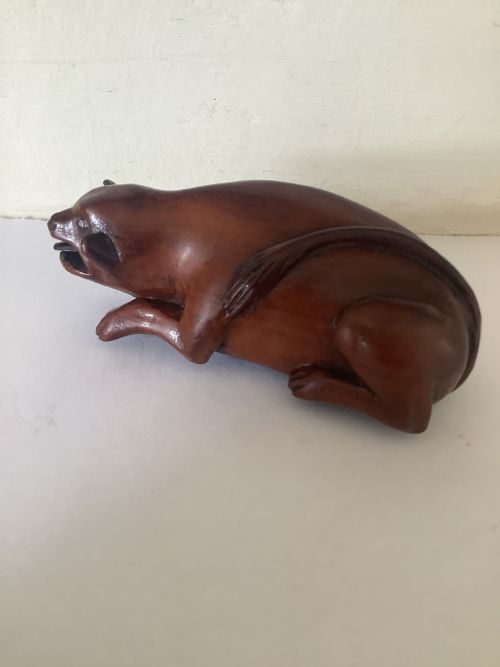
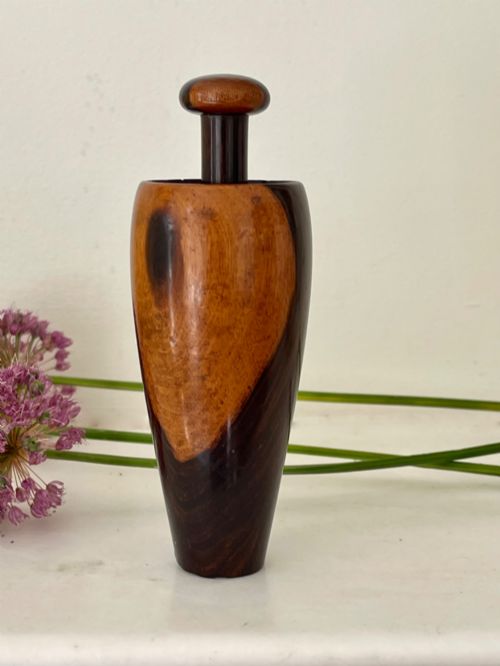
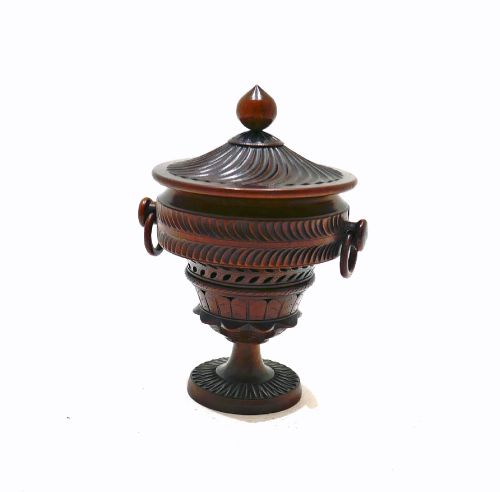
Turning on a lathe produced symmetrical forms such as mortars, pestles, goblets, string dispensers, and lidded containers, sometimes enhanced with engine-turned geometric decoration. Hand-carving created figural and novelty objects, utilising chisels and gouges to shape burr walnut, fruitwood, and pine into detailed representations of animals, shoes, and human forms.
Collectible Treen Wood Retail Price Guide 2026
Typical asking prices for collectible treen wood among the pieces listed under this phrase on Sellingantiques today, from the lower quarter to the upper quarter. They describe what is for sale here now, not the wider market.
A nineteenth-century carved pigeon bird call sits ready to summon feathered companions across the garden.
What varies in quality
Quality rests upon the crispness of the turning or carving and the preservation of the original surface patina achieved through decades of handling and waxing. Pieces exhibiting sharp detail in figural work, such as carved footwear or animal nutcrackers, demonstrate superior artisan skill compared to heavily worn or softened examples.
The choice and figuring of the timber also define excellence, with burr walnut, decorative graining, and heavy dense lignum vitae elevating a functional object into a superior decorative piece. Integration of mechanical elements, such as working puzzles, hinges on snuff boxes, or balanced pestle weights, further distinguishes finer workshop output.
The Collectible Treen Wood Glossary
- Treen
- Small handmade wooden objects for domestic or personal use. This term derives from the Middle English word for tree.
- Lignum vitae
- A remarkably dense and heavy tropical hardwood used historically for mortars, mallets, and pulleys. It possesses natural oils that give it a dark, self-lubricating finish.
- Nutcracker
- A mechanical tool designed for opening nuts, frequently carved into humorous figural shapes such as animals or shoes during the nineteenth century.
- Snuff box
- A small lidded container designed to hold powdered tobacco for nasal ingestion. These often featured intricate concealed hinges and novelty shapes.
- Mortar and pestle
- A bowl and grinding club used together for crushing spices, medicine, or food ingredients. They appear in turned fruitwood and lignum vitae.
- Bilboquet
- A traditional cup and ball game played by catching the ball on a spike or in a cup. It represents the playful side of domestic wooden items.
Collectible Treen Wood: Frequently Asked Questions
What is collectible treen wood?
Collectible treen wood consists of small, useful wooden objects made by hand before the era of mass production. These items include kitchen tools, desk accessories, and personal pocket items.
Craftsmen shaped these pieces from native timbers like fruitwood and boxwood. They served everyday domestic purposes before becoming collected for their craftsmanship and history.
How were wooden snuff boxes used?
Wooden snuff boxes held finely ground tobacco that users inhaled through the nose as a social habit. People carried them in pockets for use during conversation or travel.
Carvers decorated these small boxes with intricate details, secret compartments, or novelty shapes. Their survival reflects the popularity of snuff-taking in past centuries.
How do I date antique treen?
Dating antique treen involves examining the tool marks left by lathes or hand chisels, the type of wood, and the wear patterns on the surface. Georgian and Victorian pieces often show specific turning styles and joinery methods.
Wear patinas also help indicate age, as decades of human touch soften sharp edges and create a deep shine. Comparing known dated examples or patent dates on mechanical pieces provides further chronological context.
How do I care for wooden treen?
Wooden treen requires stable room temperatures away from direct sunlight and sudden humidity changes to prevent the timber from splitting. Keeping pieces away from radiators preserves the natural moisture in the wood.
Applying occasional microcrystalline wax helps protect the historical surface patina without altering the wood. Avoid washing antique wood with water or harsh cleaning agents.