




Collectible Sword
A collectible sword is an edged weapon or concealed blade that carries the history of military campaigns and civilian defence into the present room.
Collectible Sword
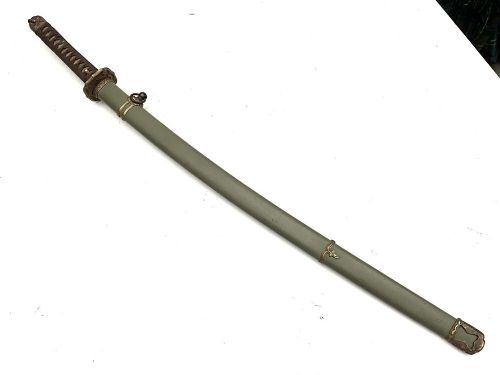
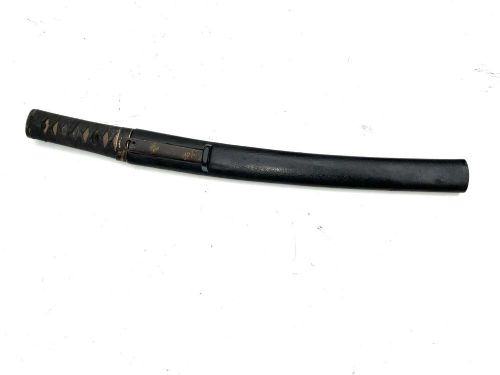
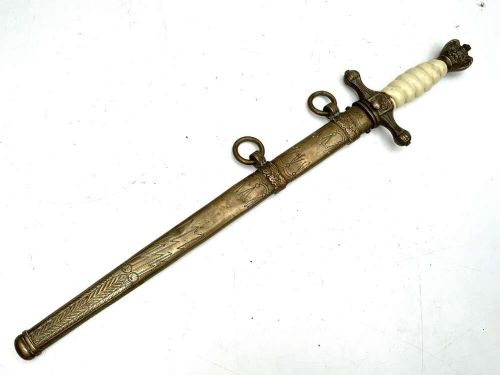
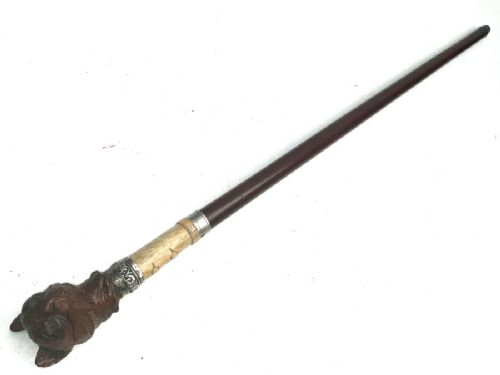
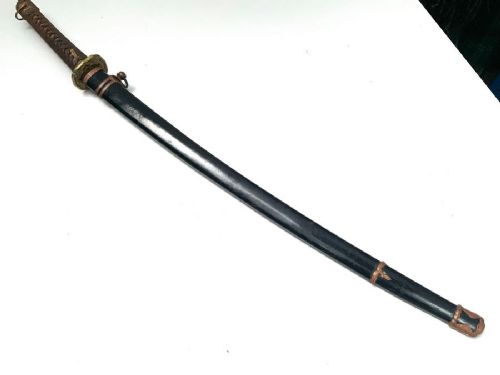
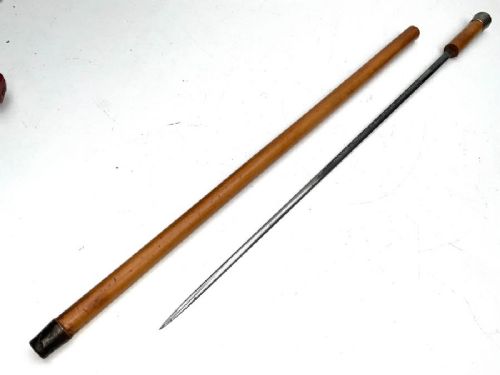
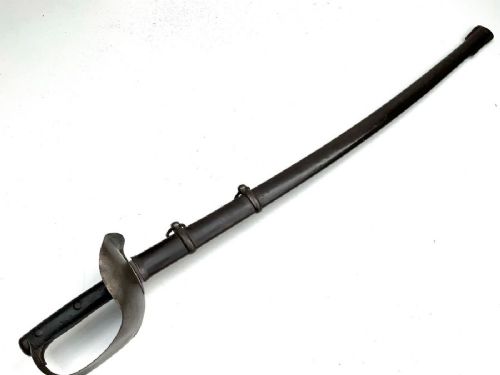
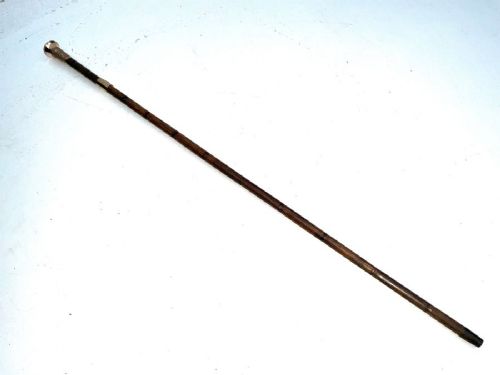
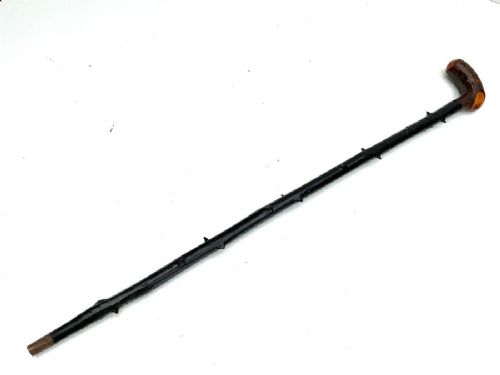
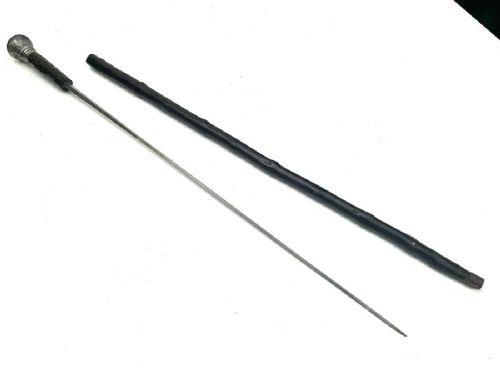
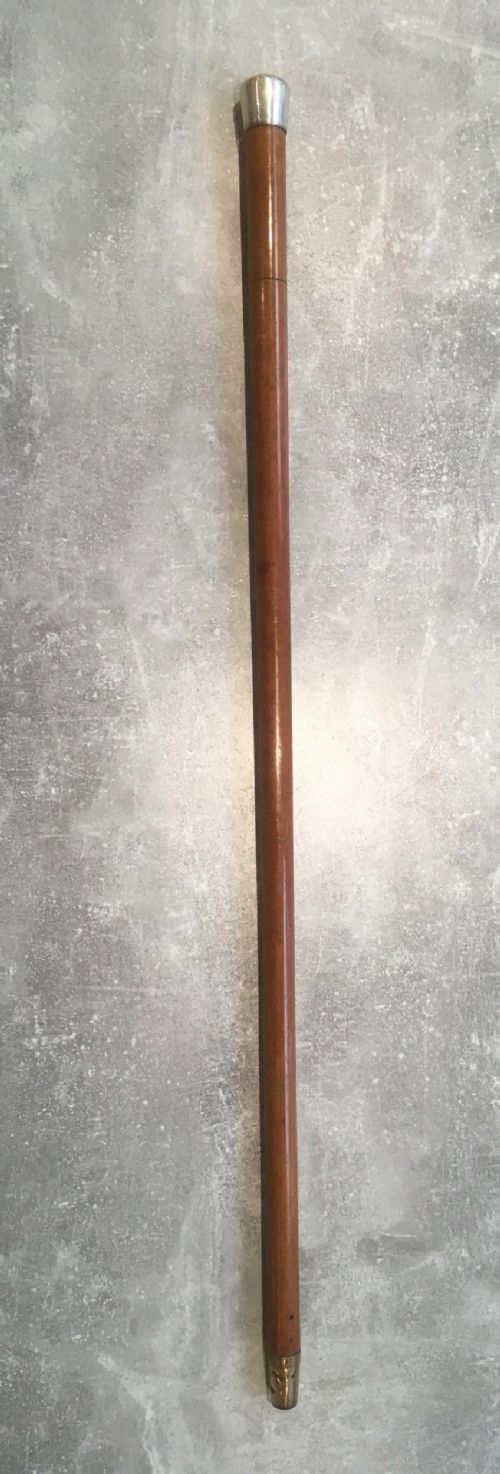
When you search for a collectible sword, you encounter a diverse range of Edged Weapons spanning military service and civilian disguise. The most frequent forms on this page are walking sticks and canes concealing internal steel blades, alongside official bayonets and cavalry swords.
The material record includes Victorian military patterns and French nineteenth-century pieces alongside Showa period Japanese military examples. These objects bridge the gap between practical weaponry and gentlemanly accessories from the late nineteenth century onward.
Masonic emblems, traditional Irish blackthorn wood, and porcelain handles appear frequently among the civilian walking sticks. Military specimens bring standard issue steel and leather components into the same collecting category.
Assessing quality and craftsmanship
Quality reveals itself in the rigidity of the concealed steel blade and the precision with which the sword stick shaft closes against the handle. Superior examples feature well-fitted silver knops or hand-carved horn handles that conceal the join completely.
The artistic merit of porcelain mounts, such as those from Sevres, and the intricacy of engraved blade decoration separate standard production items from finer presentation pieces. Original matching scabbards and precise maker or pattern markings further distinguish the higher tier of specimens.
Collectible Sword Retail Price Guide 2026
Typical asking prices for collectible sword among the pieces listed under this phrase on Sellingantiques today, from the lower quarter to the upper quarter. They describe what is for sale here now, not the wider market.
Secret blades hide behind Masonic symbols, porcelain painted panels, horses' heads, and gnarled Irish blackthorn.
The Collectible Sword Glossary
- Sword stick
- A walking cane or stick containing a concealed steel blade within its shaft. It functioned as a discreet personal defence item for gentlemen during the Victorian and Edwardian eras.
- Bayonet
- A solid blade designed to be fitted to the muzzle of a rifle for close combat. These military pieces date from the Victorian period onwards.
- Knop
- A rounded knob or ornamental handle topping a walking stick or sword stick. They are frequently cast in silver, brass, or carved from horn.
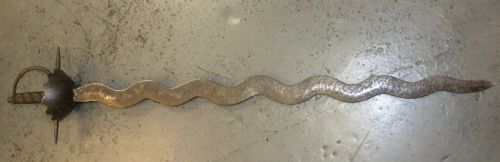
- Flamberge
- A sword with a wavy, flame-like blade designed to make wider wounds. These appear in seventeenth-century European contexts.
Collectible Sword: Frequently Asked Questions
What is a sword stick?
A sword stick is a standard walking cane with a hidden steel blade secured inside the wooden shaft. A twist or release mechanism allows the user to draw the blade.
These items became popular civilian accessories in the nineteenth century for personal protection while walking through urban streets.
How do I date a collectible sword?
Dating relies on military pattern numbers, style markers such as Victorian or Edwardian motifs, and material types. Hallmarks on silver mounts provide exact year ciphers.
Comparison with documented military issue dates helps place pieces from the First and Second World Wars into precise decades.
Were sword sticks used in the military?
Military officers sometimes carried sword sticks or swagger sticks as part of their walking out uniform. These differed from standard field swords by prioritizing concealment and dress appearance.
Troopers and cavalry units utilised standard pattern sabres and bayonets for active combat rather than concealed walking weapons.
How should I display a sword stick?
Display sword sticks horizontally on wall brackets or securely within locked cabinets to protect the wood and metal from humidity. Keeping the blade lightly oiled prevents corrosion over time.
Ensure the locking mechanism remains functional so the internal blade stays safely seated within the outer cane during handling.