

Collectible Silver
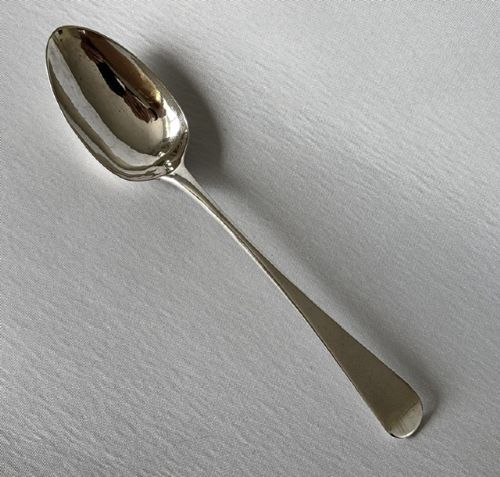
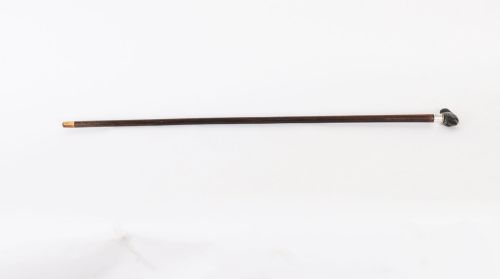
Collectible silver spans pocket watches, pin cushions, walking sticks and spoons made in sterling silver, glass and enamel from Victorian times to the mid-century.
Collectible Silver
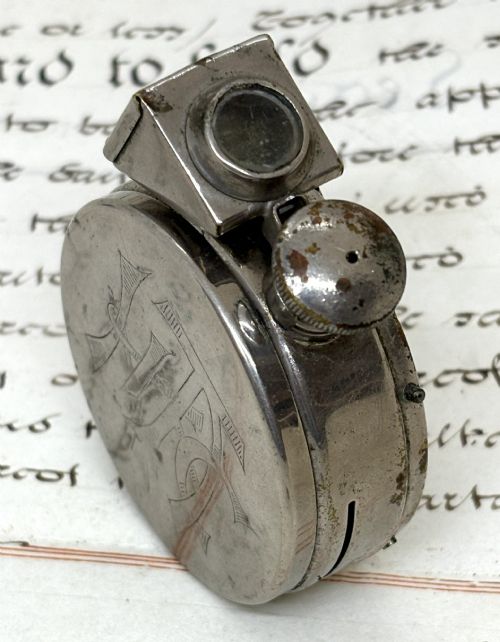
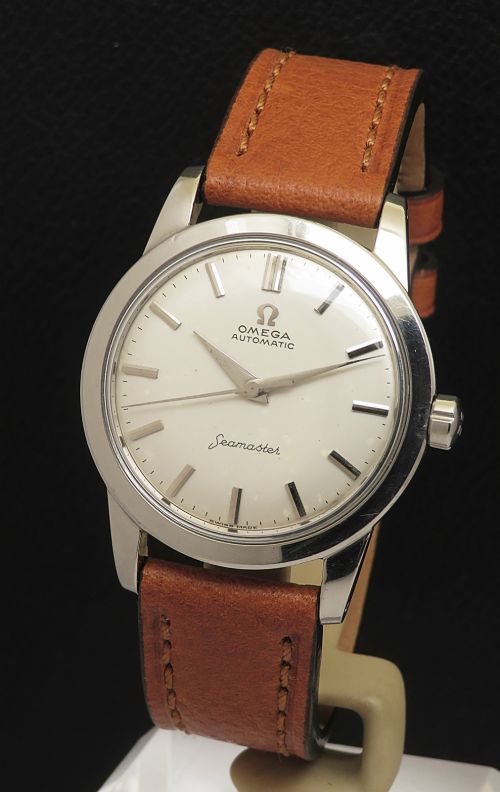
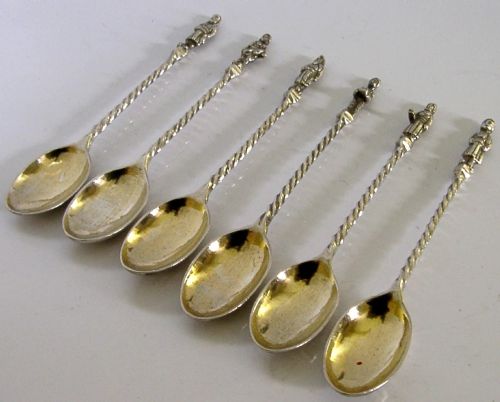
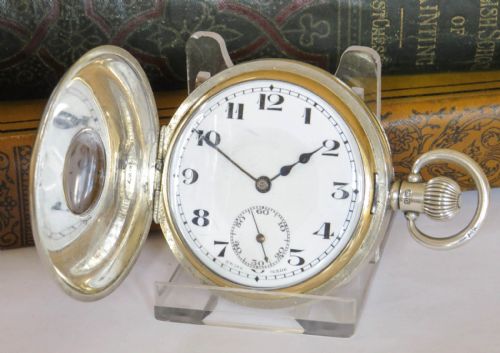
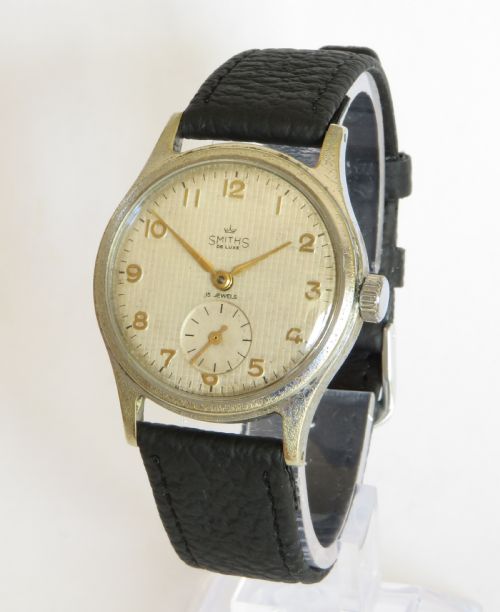
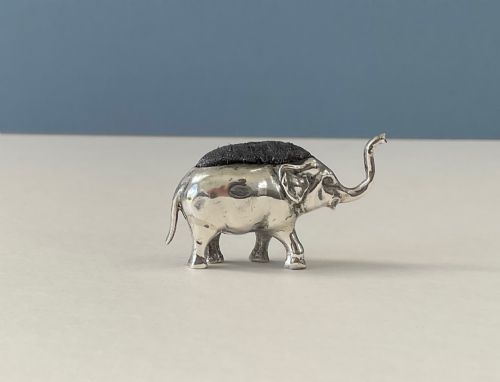
When looking for collectible silver, you encounter items ranging from Victorian snuff boxes and Edwardian pin cushions in the form of chairs, shoes and animals to 1940s military pocket watches and mid-century wristwatches. The objects vary widely in function, covering everything from walking stick handles and fruit knives to spoons, ashtrays and rattles.
The pieces on this page originate across various periods including the Georgian era, the 19th century, the Edwardian period, the 1930s and the 1950s. You find items produced in England, France, Norway, Turkey, America and the Netherlands, reflecting diverse domestic and personal uses over two centuries.
Materials and Techniques
Makers utilised sterling silver and solid silver alongside supporting materials like glass, velvet, enamel, steel, leather and mother of pearl. Items such as scent bottles, snuff boxes and pocket watches combine these metals with organic or fragile components.
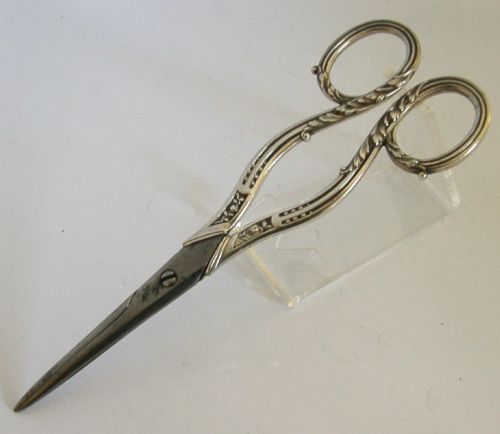
Techniques range from cast figural models and embossed silver gilt to enamel work and delicate handle mounting. Artisans combined metalworking with wood in walking sticks and canes, or paired steel blades with silver handles in fruit knives.
Materials appearing across the inventory range from sterling silver and enamel to mother of pearl and tortoise-shell style components.
Quality and Craftsmanship
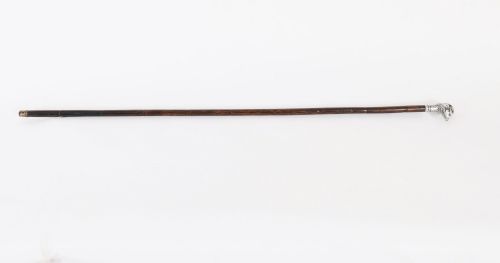
Quality rests in the crispness of the casting, particularly in novelty pieces like figural pin cushions, miniature models and animal-headed walking sticks. Sharply defined details on items such as parrot handles or Punch and Judy figures indicate superior execution.
The integration of secondary materials, such as polychrome enamel on spoons or keys and well-fitted velvet in pin cushions, dictates the standing of a piece. Maker marks and clear hallmarks also separate standard production items from distinguished works.
Peter and Jonathan Bateman·Sampson Mordan·William Neale·Henry Matthews·Tiffany and Co·Adie and Lovekin·David Andersen·Dee and Fargus
The Collectible Silver Glossary
- Sterling silver
- A silver alloy containing 92.5 percent pure silver by mass and 7.5 percent other metals, usually copper.
- Vesta case
- A small pocket-sized box designed to hold wax matches, frequently fitted with a striking surface on the base.
- Pin cushion
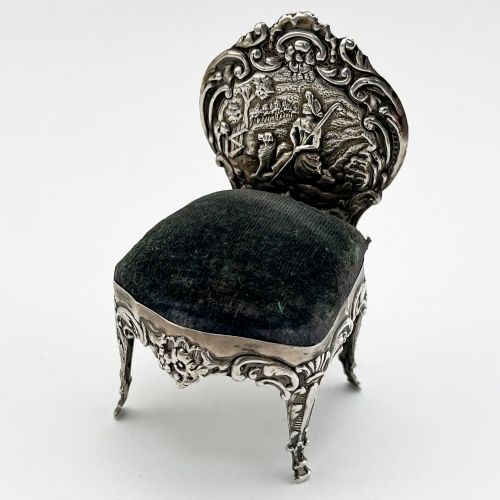
- A small household accessory often formed into novelty shapes such as chairs, animals and shoes, padded to hold pins.
- Pocket watch
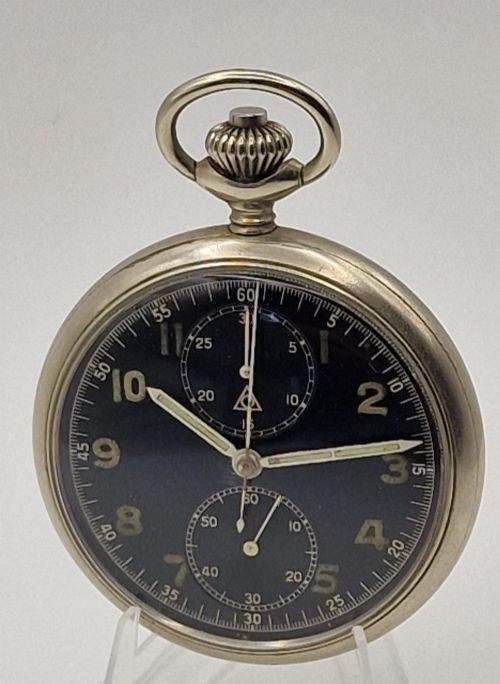
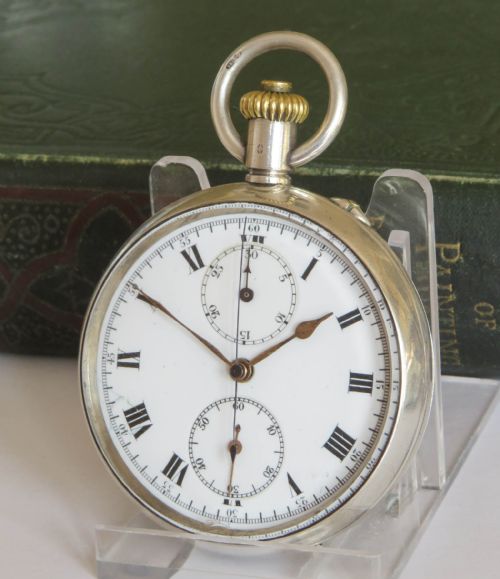
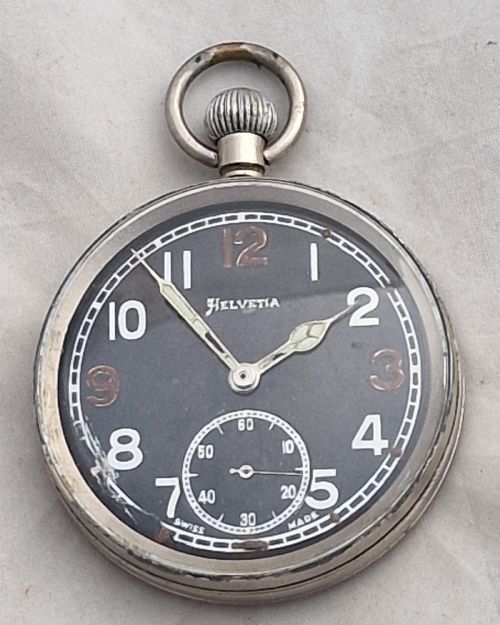
- A timepiece designed to fit in a pocket, attached to a chain or fob, seen in chronograph and hunter styles.
- Hallmark
- An official mark stamped on items made of precious metals in the United Kingdom to certify their purity.
Collectible Silver: Frequently Asked Questions
What periods do these silver items cover?
The selections span the Georgian era, the Victorian period, the Edwardian years, and the mid-century decades up to the 1960s.
Pieces reflect the design shifts from ornate 19th-century chasing through to clean Art Deco lines and mid-century modern watchmaking.
How were novelty pin cushions used?
Novelty pin cushions served as decorative dressing table accessories for holding pins used in daily attire and tailoring.
Their whimsical shapes, including birds, swans and chairs, made them popular ornamental gifts in the Edwardian era.
How do I identify silver hallmarks?
Hallmarks consist of a series of small stamped symbols indicating the maker, the assay office, the purity of the metal and the date letter.
British pieces commonly feature the lion passant to denote sterling silver alongside town marks such as the Birmingham anchor.
What are vesta cases used for?
Vesta cases were carried in pockets or attached to chatelaines to keep matches dry and safe before the widespread use of safety matches.
Victorian and Edwardian examples often feature engraved decoration or figural shapes.