





Collectible Silver Miniature
These collectible silver miniature pieces range from novelty pin cushions to tiny chairs, offering small-scale silver work that buyers seek for cabinets and desks.
Collectible Silver Miniature
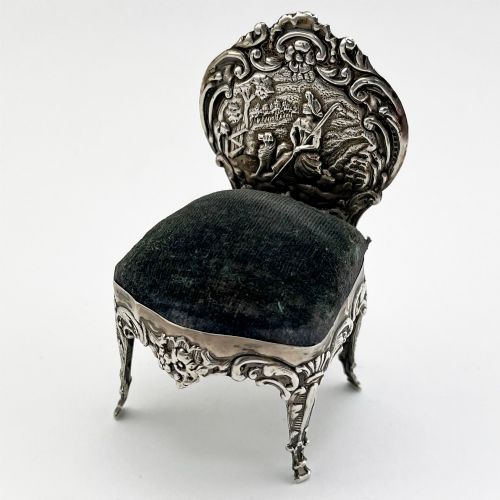
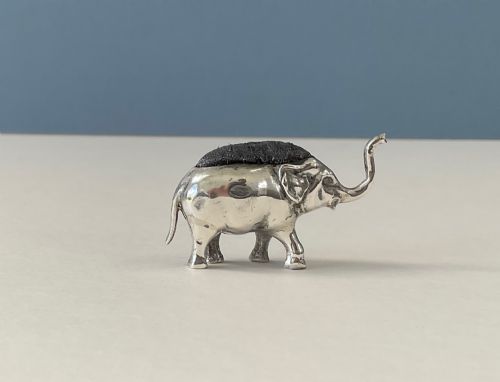
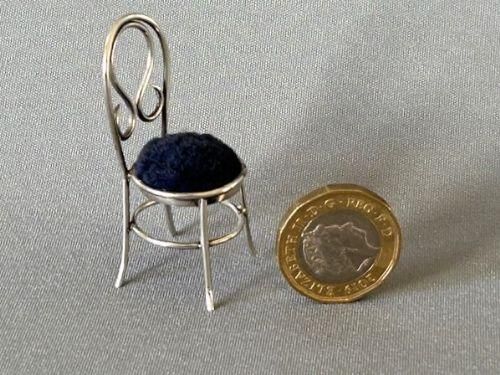
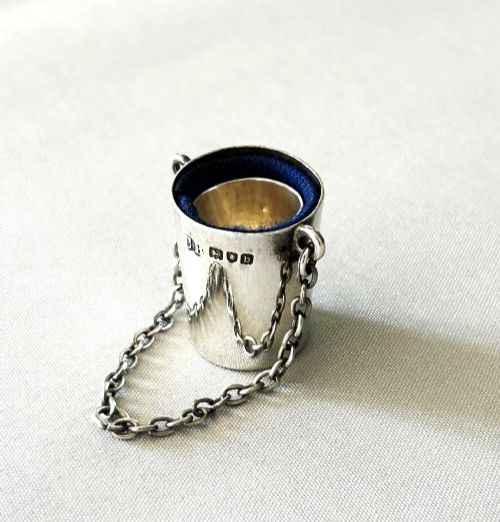
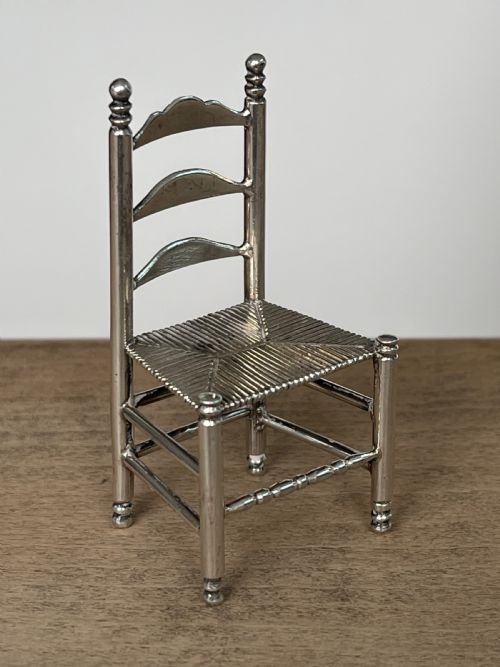
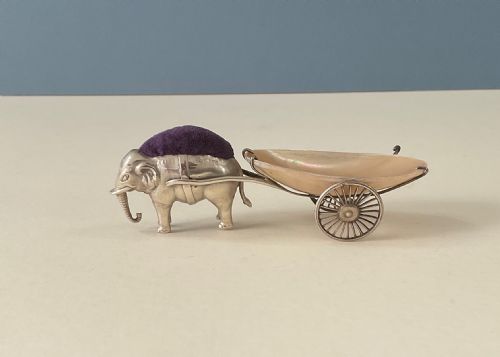
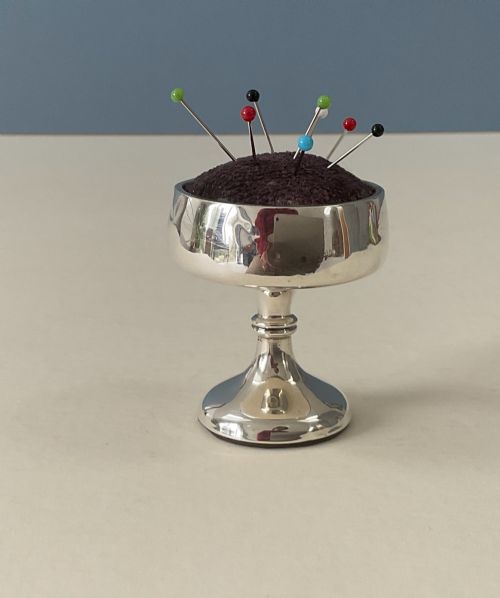
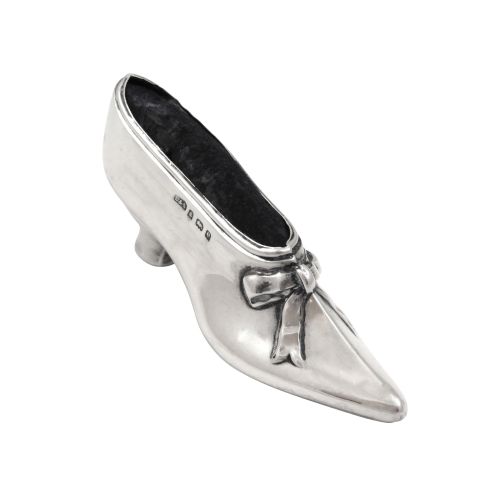
Collectible silver miniature items encompass small-scale silver objects, most frequently taking the form of novelty pin cushions shaped like chairs, animals, and household vessels. These miniature models date across the Victorian, Edwardian, and mid-twentieth-century periods, capturing playful domestic and figurative subjects in compact metal form.
What varies in quality
The survival of original components, such as intact velvet pin cushion pads and unblemished enamel work, influences the standing of a piece. Finer examples also retain clear hallmarks and makers' marks, validating their period of origin and silver standard.
Collectible Silver Miniature Retail Price Guide 2026
Typical asking prices for collectible silver miniature among the pieces listed under this phrase on Sellingantiques today, from the lower quarter to the upper quarter. They describe what is for sale here now, not the wider market.
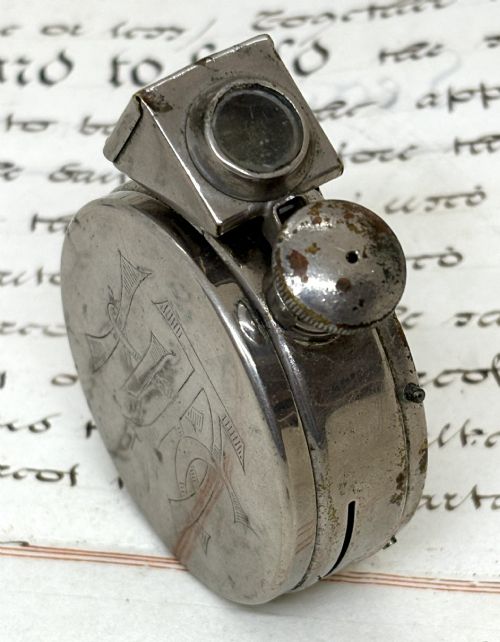
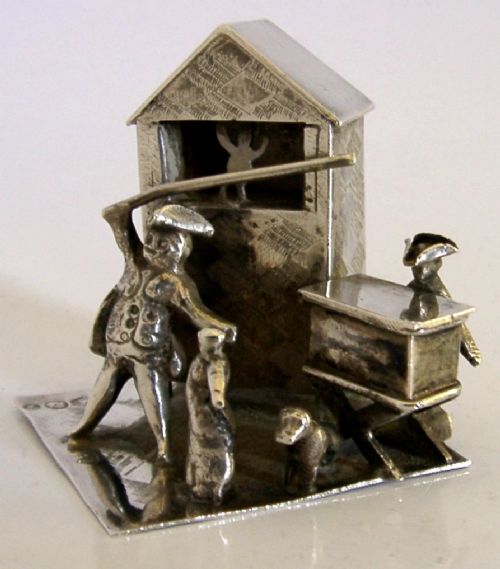
Object forms include pin cushions, miniature models, folding chairs, sedan chairs, miniature animals, and small-scale transport models like monoplanes and cameras.
The Collectible Silver Miniature Glossary
- Pin Cushion
- A small domestic object designed to hold sewing pins, frequently fashioned into novelty animal or furniture shapes in these collections. These items combine utility with decorative silver work.
- Novelty Silver
- Silver pieces shaped as humorous, unusual, or everyday non-silver objects, such as animals, vehicles, and household furniture. This category became particularly popular during the Victorian and Edwardian periods.
- Sterling Silver
- A silver alloy containing a fixed proportion of pure silver and other metals to increase durability. Items bearing this standard often display official hallmarks.
- Solid Silver
- A term used to denote objects constructed entirely from silver metal rather than plated substitutes. It guarantees a consistent material composition throughout the piece.
- Dutch Baroque
- A decorative style characterised by ornate scrollwork, figurative scenes, and dramatic relief, frequently emulated in continental silver miniatures. These pieces often draw inspiration from seventeenth-century aesthetics.
Collectible Silver Miniature: Frequently Asked Questions
What are collectible silver miniature items?
These pieces are small-scale silver objects, predominantly novelty pin cushions and models shaped like animals, chairs, and household items. They were produced largely during the Victorian, Edwardian, and mid-twentieth-century eras.
Collectors prize them for their intricate detail and inventive forms, which pack the visual interest of larger silverware into diminutive dimensions suitable for display cabinets.
How were silver miniature pin cushions used?
Despite their ornamental appearance, many of these miniatures served a practical domestic function on sewing tables and dressing desks as functional pin cushions. The integrated velvet pads held straight pins ready for daily tailoring and needlework tasks.
Over time, their decorative qualities outweighed their utility, leading owners to display them as cabinet curiosities rather than sewing tools.
How do I identify Edwardian silver miniatures?
Edwardian pieces often reflect the playful novelty taste of the early twentieth century, featuring animal shapes, miniature furniture, and delicate domestic scenes. Examining the hallmarks and silver standard marks helps confirm the production decade.
Stylistic cues, such as the specific treatment of novelty subjects and the presence of velvet inserts, also point towards Edwardian manufacturing trends.
How should I display silver miniatures at home?
Because of their small size, these silver objects suit enclosed display cabinets, glass-topped tables, or dedicated collector shelves where they remain protected from dust and handling. Grouping pieces by theme, such as animal figures or furniture models, creates a cohesive display.
Proper lighting inside a cabinet helps highlight the fine chasing and hallmarks without requiring constant polishing.