



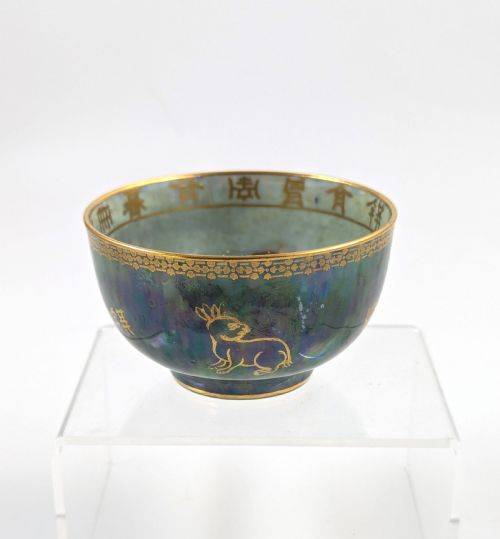


Collectible Porcelain Dish
A collectible porcelain dish brings hand-painted colour and historic craftsmanship straight to a cabinet or dining table.
Collectible Porcelain Dish
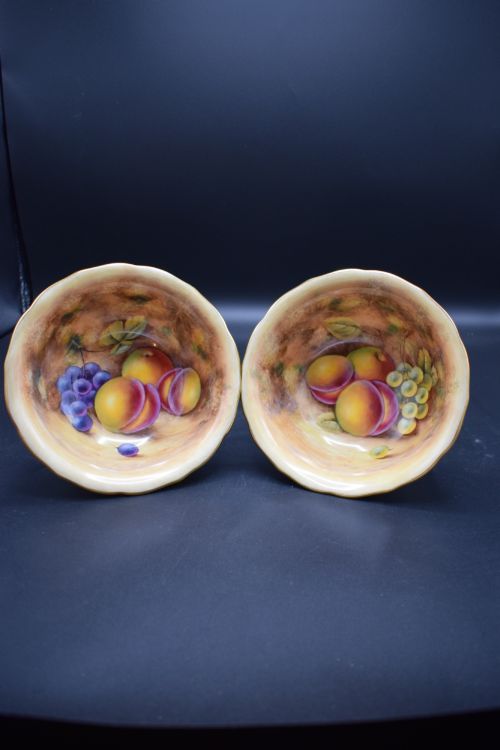
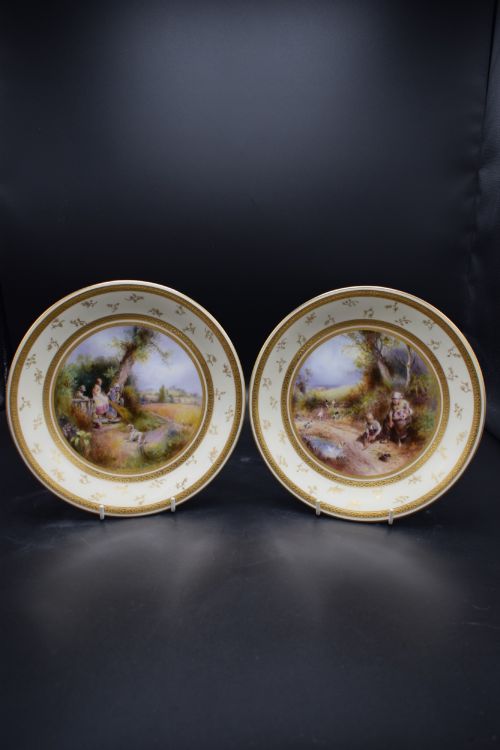
A collectible porcelain dish represents a wide variety of decorative plates, cabinet plates, bowls, and powder bowls produced across multiple centuries. Buyers searching this phrase encounter items ranging from Georgian dessert plates to Edwardian lustre bowls and mid-century decorative plates.
The pieces originating from British factories dominate the selection, alongside notable European examples such as Meissen items. Forms vary from simple dinner plates with rope edges to elaborate cabinet pieces intended purely for display rather than dining.
Dated examples stretch from the early nineteenth century through the Georgian, Victorian, and Edwardian eras into the twentieth century. Art Deco powder bowls and mid-century floral designs also appear among the traditional porcelain and bone china forms.
What varies in quality
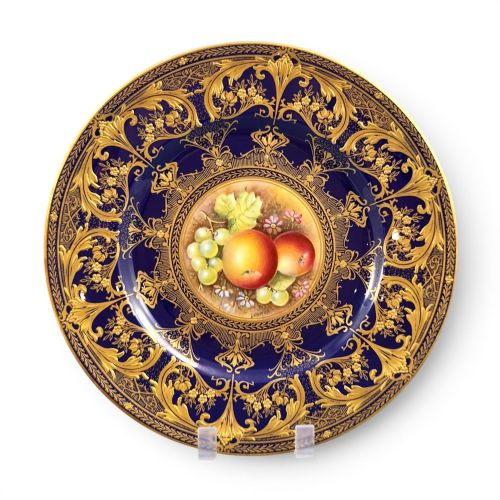
The skill of the hand-painted decoration forms a primary distinction between standard production and top-tier cabinet pieces. Plates painted by renowned artists demonstrate superior brushwork, particularly in detailed fruit, floral, and figural scenes.
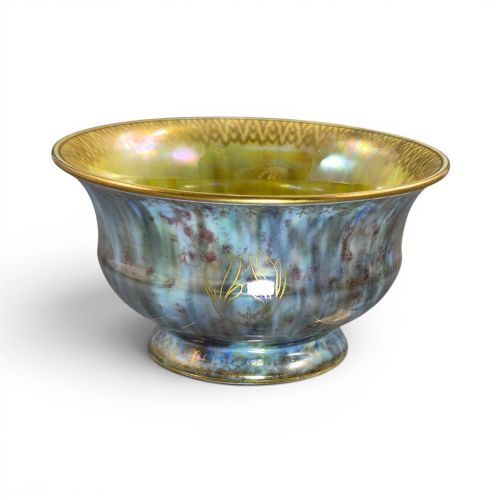
The complexity of the manufacturing technique and surface treatment also separates ordinary items from exceptional works. Rich applications of gold leaf and specialised lustre glazes elevate certain bowls and plates above simpler glazed wares.
Collectible Porcelain Dish Retail Price Guide 2026
Typical asking prices for collectible porcelain dish among the pieces listed under this phrase on Sellingantiques today, from the lower quarter to the upper quarter. They describe what is for sale here now, not the wider market.
Surface treatments recorded on these items include enamel, gold leaf, and lustre glazes applied to decorative plates and bowls.
Royal Worcester·Wedgwood·Cauldon Ltd·Derby Porcelain·Minton·Barr Flight and Barr·Coalport·Meissen·Royal Crown Derby
The Collectible Porcelain Dish Glossary
- Cabinet plate
- A decorative plate intended for display in a cabinet rather than for serving food. These pieces often feature elaborate hand-painted scenes and gilding.
- Bone china
- A type of soft-paste porcelain incorporating bone ash, developed in England to improve strength and whiteness. It allows for thinner, more delicate vessel walls.
- Lustre ware
- Pottery or porcelain finished with a metallic glaze that produces an iridescent sheen. This technique was used to striking effect in various early twentieth-century designs.
- Gilding
- The application of gold leaf or gold paint to the surface of porcelain. It highlights rims, handles, and decorative borders.
- Enamel
- Opaque glass-like material fused to the surface of porcelain through firing to add vibrant colour. Enamel painting permits intricate multi-coloured artwork.
Collectible Porcelain Dish: Frequently Asked Questions
How do I display a cabinet plate?
Cabinet plates suit wall mounting using specialised wire hangers or placement on plate stands inside glass-fronted furniture. This keeps the painted surfaces safe from handling while showing off the colours.
Ensure the support is secure and keep the piece away from direct sunlight to protect the enamel and gilding from fading over the decades.
Can I use these plates for dining?
Most collectible porcelain plates serve primarily as decorative items or cabinet display pieces rather than everyday tableware. Older items with delicate hand-painted enamels and gold leaf require gentle care.
Wash them by hand in lukewarm water using mild soap if cleaning is necessary, avoiding dishwashers and abrasive scourers entirely.
How do I date an antique porcelain dish?
Dating relies on factory backstamps, maker marks, stylistic indicators, and recorded artist signatures found on the underside of the porcelain. Comparing these details against known production periods helps narrow down the year.
Materials and manufacturing techniques also provide clues, as bone china and specific lustre glazes gained popularity during distinct eras.
What is the difference between porcelain and bone china?
Traditional porcelain consists of specific ceramic clays fired at high temperatures to create a hard, vitrified body. Bone china incorporates bone ash into the mixture, which increases translucency and strength.
Both materials support fine hand-painted decoration, but bone china tends to feel lighter and appears whiter in natural light.