



Collectible Porcelain Bowl
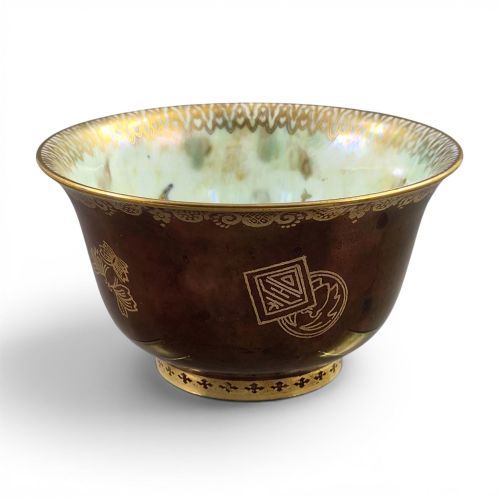
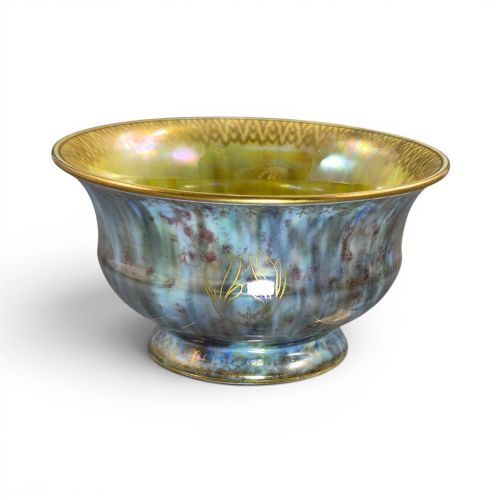
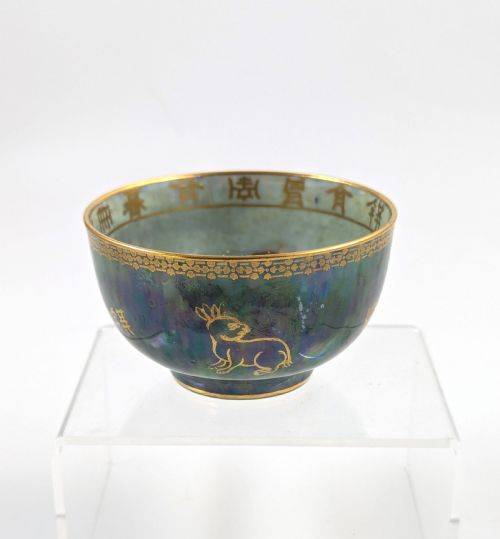
A collectible porcelain bowl brings complex lustre glazes and delicate forms into a room, offering rich visual depth through metallic finishes and hand-painted scenes.
Collectible Porcelain Bowl
When you search for a collectible porcelain bowl, you encounter a range of forms spanning from the eighteenth century to the twentieth century. These pieces include tea bowls, decorative bowls, and powder bowls shaped from ceramic, bone china, and porcelain.
Each collectible porcelain bowl serves as a functional vessel or a decorative cabinet piece, reflecting the prevailing taste of its period. The forms vary from intimate tea bowls and saucers to wide decorative bowls embellished with dragons and butterflies.
How they were made
The makers of these vessels shaped fine ceramic, bone china, and porcelain bodies before applying intricate surface decoration. Artisans utilised specialised glaze techniques, including lustre glazes that react during firing to produce iridescent sheens.
Decoration relied heavily on the application of enamel paints, gold leaf, and gold gilding to highlight motifs such as dragons, fairies, and geometric patterns. These materials required precise firing temperatures to bond the metallic sheens and colours to the underlying glaze.
Collectible Porcelain Bowl Retail Price Guide 2026
Typical asking prices for collectible porcelain bowl among the pieces listed under this phrase on Sellingantiques today, from the lower quarter to the upper quarter. They describe what is for sale here now, not the wider market.
Pierrot makes a dramatic appearance on a 1930s powder bowl lid, watching over the dressing table with theatrical flair.
What varies in quality
The distinction between standard examples and the finest pieces lies in the complexity of the design and the precision of the hand-painted details. Works featuring elaborate mythological scenes, such as Fairyland motifs, demand a higher degree of painting skill than simpler geometric patterns.
The richness and depth of the lustre glaze also determine the character of a piece, with multi-layered iridescent finishes showing greater visual nuance. Additionally, the preservation of original gold leaf and gilding influences how successfully the piece retains its intended decorative impact.
Daisy Makeig-Jones Wedgwood·Wedgwood·Worcester
The Collectible Porcelain Bowl Glossary
- Lustre Glaze
- A type of ceramic glaze containing metallic oxides that produces an iridescent, reflective surface upon firing. It creates a shimmering finish popular in twentieth-century decorative wares.
- Tea Bowl
- A small, handleless drinking vessel used in early tea service traditions. These pieces often accompany matching saucers from the eighteenth century.
- Powder Bowl
- A decorative container designed to hold cosmetic powder on a dressing table. Twentieth-century examples frequently feature figural lids representing characters like Pierrot.
- Gold Gilding
- The application of a thin layer of gold leaf or gold paint to ceramic surfaces. It accents rims, handles, and pictorial borders.
- Bone China
- A type of porcelain composed of bone ash, feldspathic material, and kaolin. It offers high mechanical strength and translucency.
Collectible Porcelain Bowl: Frequently Asked Questions
How do I display a decorative bowl safely?
Position your decorative bowl on a stable surface away from direct sunlight to protect enamel colours and gold gilding from fading over time.
For smaller or more delicate forms, use a dedicated display stand to secure the vessel and prevent accidental knocks.
What is the difference between bone china and porcelain?
Bone china incorporates bone ash into the ceramic paste, which increases its strength and creates a warmer, more translucent appearance. Standard porcelain relies on kaolin and petuntse, yielding a crisp, white body.
Both materials serve as the foundation for the decorated vessels found in these collections.
How do I identify an eighteenth-century tea bowl?
An eighteenth-century tea bowl lacks a handle, adhering to the traditional form used before European tea services adopted cups with ears. These early pieces often feature delicate hand-painted underglaze or enamel decoration.
Examining the foot ring and paste density helps confirm the earlier manufacturing period compared to twentieth-century ceramics.
Can I use these bowls for serving food?
Most collectible bowls from the Edwardian and Art Deco periods function primarily as decorative cabinet pieces rather than functional tableware. Older pieces with delicate gold gilding and lustre finishes can suffer surface wear from regular use.
Enjoy these objects visually to preserve their painted surfaces and metallic sheens.