




Collectible Etching
A collectible etching brings tactile printmaking and intricate glasswork into a room, offering rich surface detail and period character.
Collectible Etching
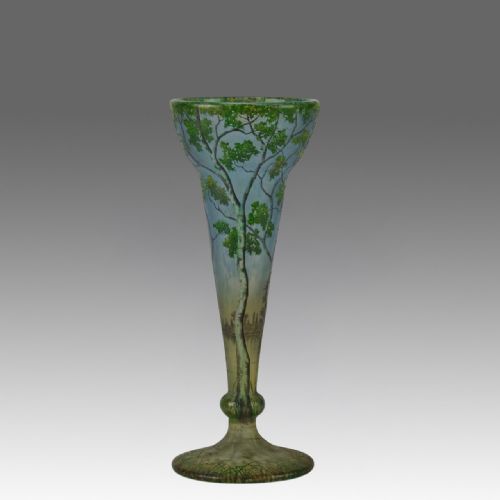
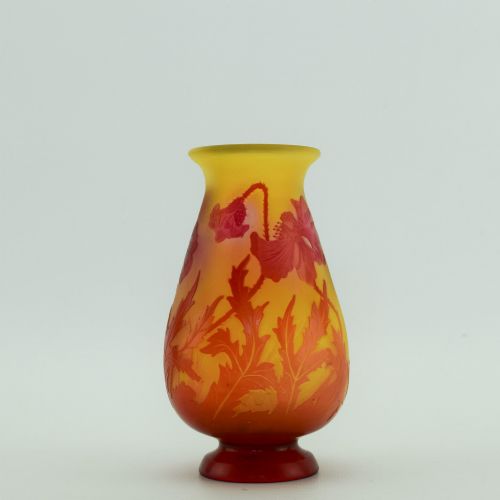
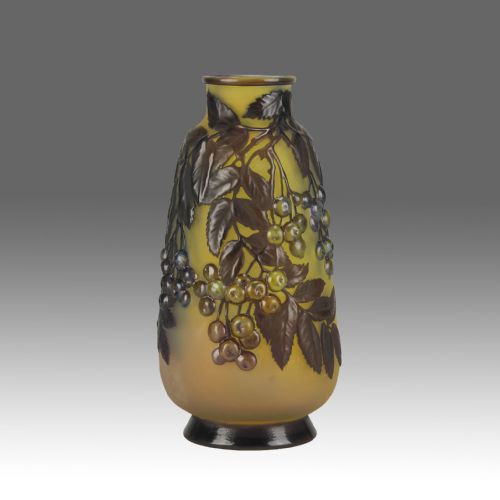
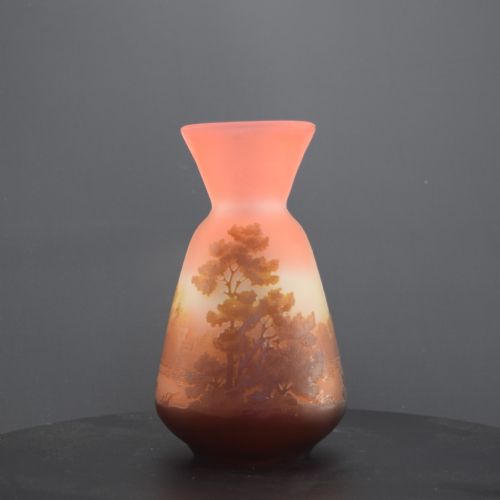
When you search for collectible etching, you enter a field dominated by cameo glass vases and vessels produced during the early twentieth century. These objects bridge decorative art and fine technique, showcasing methods where acid or carving removes layers to reveal contrasting colours beneath.
The pieces on this page span from the Victorian era through the Art Nouveau and Art Deco periods, reaching into the nineteen-forties. Alongside cameo glass, the selection includes metalwork and specialised decorative forms such as candlesticks and small sculptures.
Vases form the backbone of the category, often featuring natural motifs like landscapes, poppies, and floral stems. Makers working in glass utilised acid-etching alongside cameo carving to achieve deep relief and subtle tonal shifts.
How they were made
Makers created cameo glass by casing multiple layers of coloured glass together before carving or treating the surface with acid. This chemical and manual removal exposed the underlying tones to build high-contrast imagery.
Metalwork items relied on steel and brass, sometimes paired with leather coverings or silver mounts to create functional objects and decorative pieces. Enamel and frosted finishes added texture and opacity to glass surfaces.
Collectible Etching Retail Price Guide 2026
Typical asking prices for collectible etching among the pieces listed under this phrase on Sellingantiques today, from the lower quarter to the upper quarter. They describe what is for sale here now, not the wider market.
A sword stick disguised as an ordinary walking cane hides a decorated steel blade beneath its leather-covered exterior.
What varies in quality
The finesse of the carving or acid bite determines the sharpness of the design and the depth of the relief. Top-tier glass vessels display precise control over layer transitions, ensuring the background tone remains uniform while the motif stands out cleanly.
Design ambition separates standard production from exceptional work, particularly in how naturalistic subjects are composed across the curvature of a vase. Signature placement and specific named workshop attributions also influence the standing of an individual piece.
Daum Frères·Gallé·Rene Lalique·Roger Guerin
The Collectible Etching Glossary
- Cameo glass
- A form of vessel made by fusing two or more layers of coloured glass together and carving or acid-etching the outer layer away to create a raised design. This technique requires steady handwork and precise chemical control.
- Acid-etched glass
- Glass decorated by submerging the material in acid to eat away exposed areas, creating frosted textures or shallow relief patterns. The process allows for intricate geometric and organic motifs.
- Art Nouveau
- A decorative style prominent in the late Victorian and early twentieth centuries characterised by flowing, organic lines inspired by natural forms. It heavily influenced the floral and landscape designs found on period vases.
- Art Deco
- A design movement of the nineteen-twenties and thirties favouring clean lines, stylized symmetry, and modern geometric patterns. It succeeded Art Nouveau in shaping the profiles of decorative vessels and candlesticks.
- Frosted glass
- Glass treated to diffuse light and produce a matte, non-reflective surface. Makers used this finish to soften outlines and create atmospheric backgrounds on scenic vases.
Collectible Etching: Frequently Asked Questions
What is cameo glass?
Cameo glass is a vessel formed from multiple fused layers of contrasting glass colours. Craftsmen remove the outer layers through carving or acid application to leave a raised, detailed motif.
This method produces strong visual depth and tonal separation. The technique reached its peak during the Art Nouveau period through specialised European workshops.
How do I date these pieces?
Dating relies on stylistic markers, manufacturing techniques, and maker signatures found on the surface or base. Art Nouveau pieces lean into organic floral motifs, while later items adopt cleaner geometric lines.
Comparing the type of glass layering and finish helps place an object within its specific decade. Documentation and historical records for established makers provide further chronological clarity.
Where were these pieces displayed?
These decorative objects sat on mantelpieces, sideboards, and display cabinets in period homes. They served as artistic centrepieces rather than utilitarian containers.
Their varied forms, from banjo vases to candlesticks, allowed them to integrate into diverse interior schemes. Collectors today continue to place them where natural light can highlight their layered surfaces.
How should I care for glass vessels?
Glass and metal items require gentle dusting with a soft, dry cloth to prevent the accumulation of surface dirt. Harsh chemical cleaners should be avoided, especially on acid-etched or enamelled areas.
Keeping pieces away from direct, intense sunlight and sudden temperature shifts protects the material integrity. Proper placement ensures the delicate surface textures remain stable over time.