




Collectible English Pottery
Collectible English pottery brings together centuries of earthenware, porcelain and stoneware shaped by generations of makers.
Collectible English Pottery
Collectible English pottery spans functional vessels and decorative figures made across the Georgian, Victorian and twentieth-century periods. When looking for collectible English pottery, buyers encounter everything from slip-decorated country money boxes to painted porcelain vases.
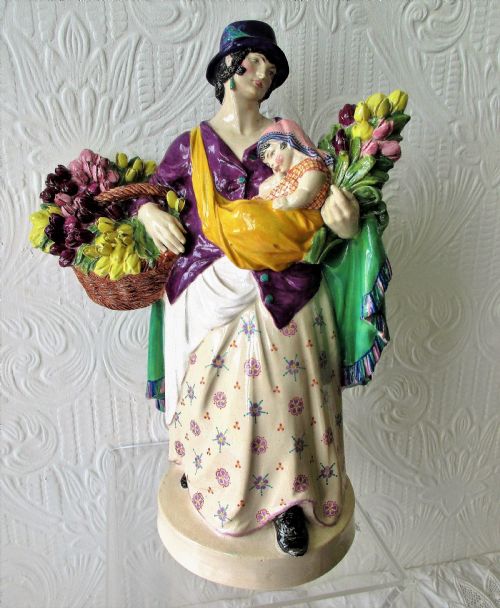
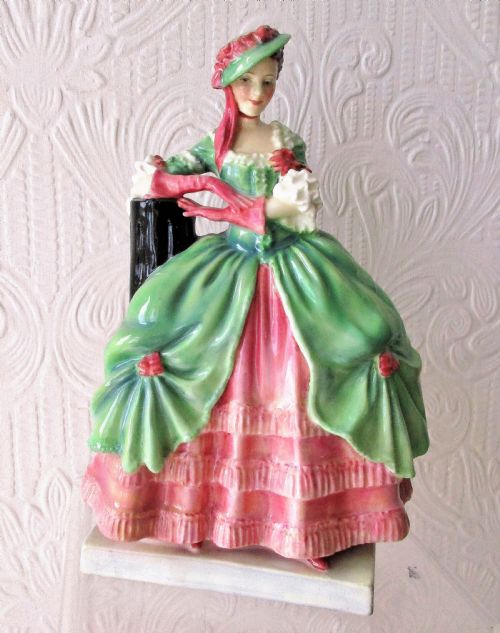
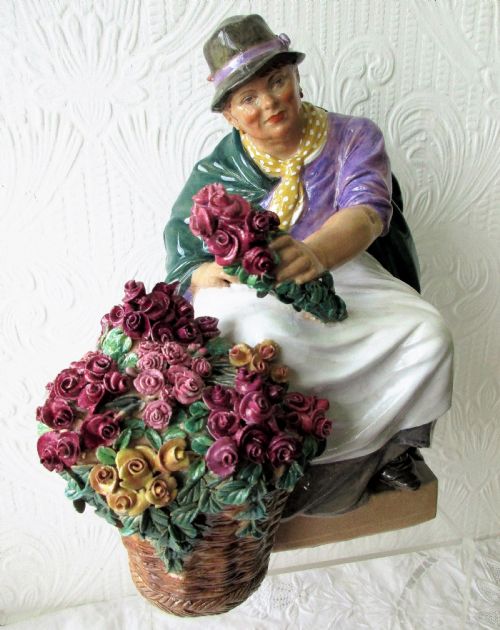
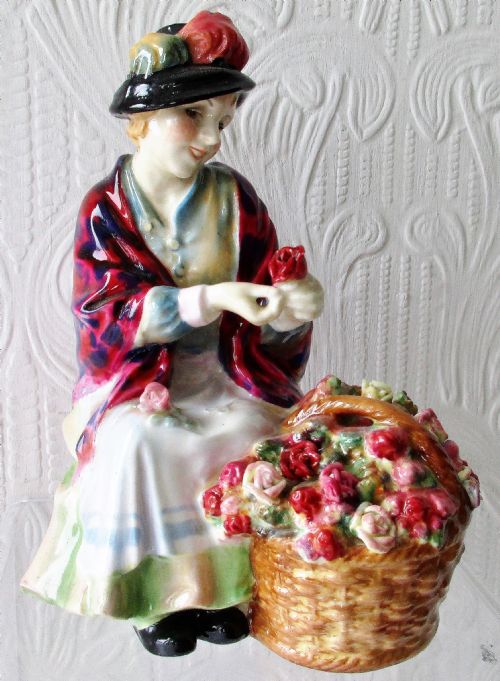
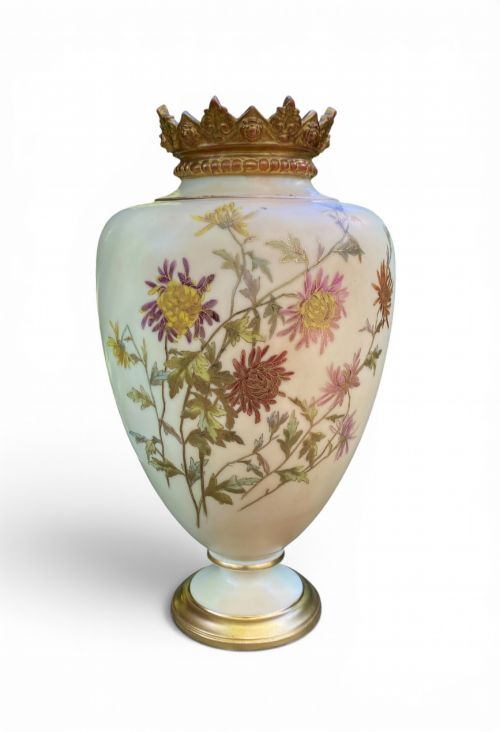
The selections on this page feature studio pottery figurines, pearlware animals, and earthenware jugs from various regional potteries. Vases, decorative bowls and porcelain figures dominate the forms available.
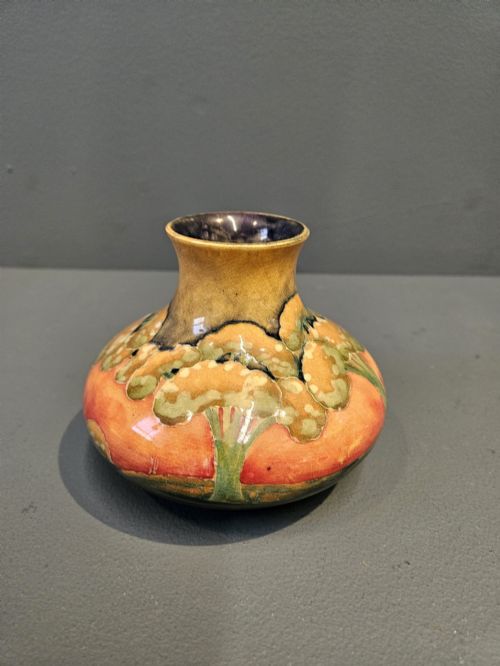
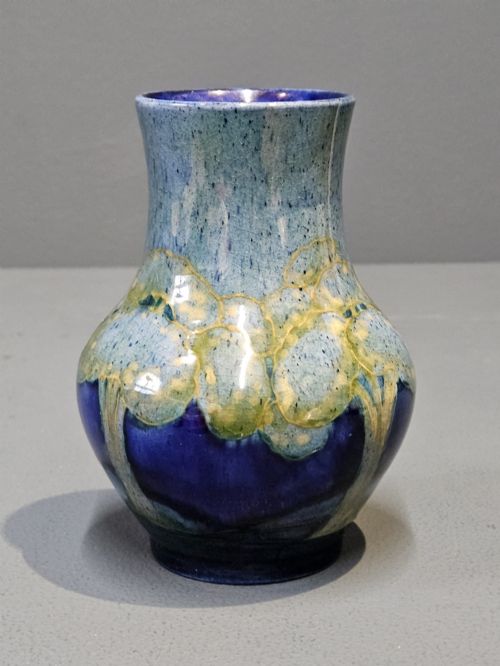
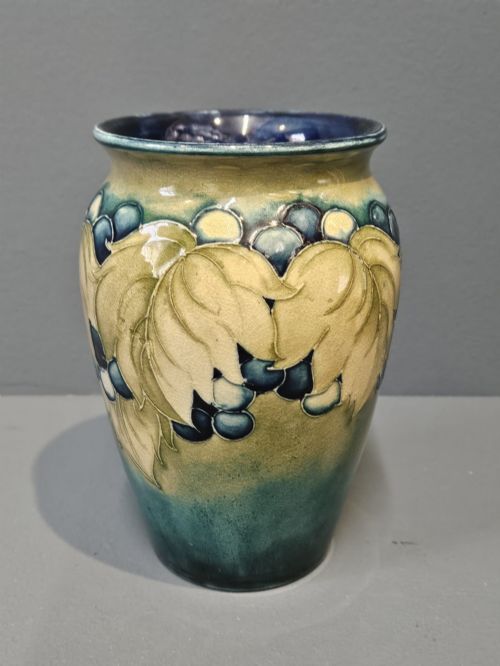
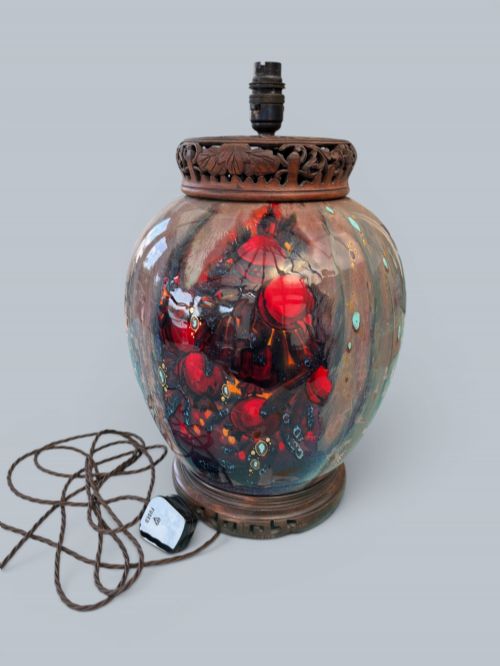
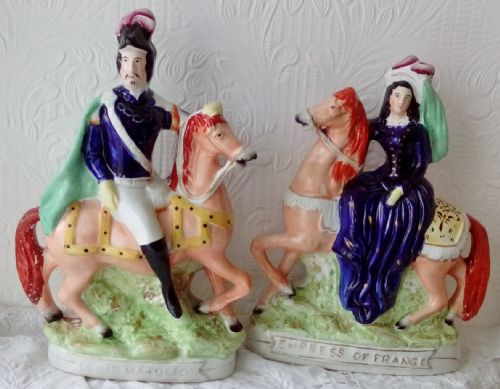
Pieces range from early nineteenth-century Staffordshire portrait figures to Art Deco Moorcroft designs and Wedgwood lustre wares. Each period contributes distinct moulding techniques and glaze compositions to the overall field.
Materials and construction
Potters shaped these objects using earthenware, stoneware, bone china and porcelain, applying lead glazes, enamel colours and occasionally gold leaf for surface decoration. Studio potters and major factories alike relied on traditional throwing and slip-casting methods to form the clay bodies.
Firing techniques varied from open kiln methods used for older folk pieces to controlled industrial kilns that achieved smooth porcelain finishes and vibrant lustre effects. Surface details were hand-painted over glazes or incised directly into the wet clay before firing.
Collectible English Pottery Retail Price Guide 2026
Typical asking prices for collectible english pottery among the pieces listed under this phrase on Sellingantiques today, from the lower quarter to the upper quarter. They describe what is for sale here now, not the wider market.
Nineteenth-century Staffordshire potters modelled everything from snow leopards to political leaders for everyday mantelpieces.
What separates the finest pieces
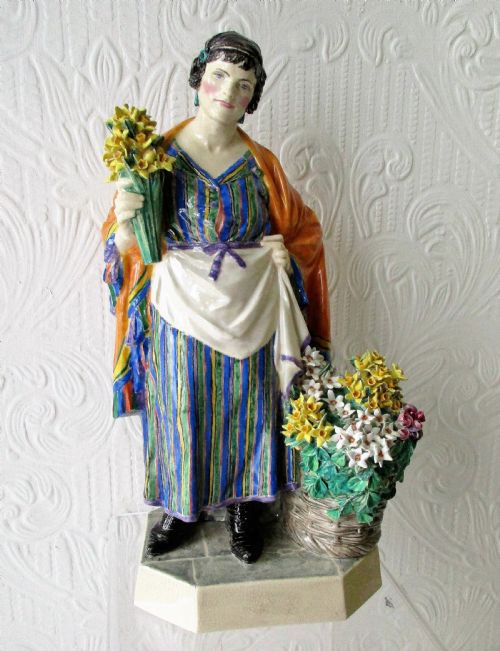
Quality rests in the crispness of the modelled detail and the depth of the glaze, particularly in pieces decorated with multiple enamel colours or lustres. Early hand-painted figural work relies on careful brushwork to define facial expressions and costume details.
The reputation of the studio or pottery workshop and the clarity of factory marks stamped into the base influence the standing of a piece. Well-preserved surfaces free from heavy glaze crazing demonstrate careful firing and preservation.
Charles Vyse·Royal Doulton·Royal Worcester·Verwood Pottery·Maling·Wedgwood·William Moorcroft·Pilkingtons Royal Lancastrian
The Collectible English Pottery Glossary
- Pearlware
- A refined earthenware developed in the late eighteenth century featuring a subtle bluish glaze that pooled in recesses. It served as a popular substitute for true porcelain.
- Lustre
- A metallic pottery finish created by applying thin layers of metallic oxides during a reduction firing. This technique produces an iridescent surface sheen.
- Staffordshire
- A major pottery-producing area in the Midlands responsible for earthenware figures, animals and jugs. These items were typically modelled for domestic mantelpieces.
- Crazing
- A network of fine cracks in the glazed surface caused by the glaze contracting at a different rate than the clay body during cooling. It often develops naturally with age.
- Studio pottery
- Wares produced by individual ceramic artists working independently or in small workshops rather than large industrial factories. Pieces are frequently marked with personal ciphers.
Collectible English Pottery: Frequently Asked Questions
What is collectible English pottery?
Collectible English pottery encompasses ceramic works produced in England across the Georgian, Victorian, and twentieth-century periods. It includes functional tableware, decorative vases, and figural pieces made from earthenware, stoneware, and porcelain.
These objects reflect the shifting tastes of British households and the evolution of studio and factory ceramic production. Collectors look for specific makers, regional styles, and period characteristics.
How do I identify Staffordshire figures?
Staffordshire figures are typically earthenware ceramic pieces moulded and hand-painted in the nineteenth century, depicting animals, historical figures, or literary characters. They often feature simple colouring and hollow backs with small vent holes.
Early examples use pearlware glazes, while later Victorian pieces display brighter enamels and gilt highlights. Many remain unmarked, relying on style and subject matter for identification.
What distinguishes studio pottery?
Studio pottery consists of pieces created by individual artists focusing on form, unique glazes, and hand-thrown techniques. Maker signatures or monograms are commonly incised or painted on the base.
Works by studio potters like Charles Vyse stand apart from factory-produced items through their distinct artistic vision and individualised modelling. They represent a smaller-scale British ceramic tradition.
How should I care for ceramic pieces?
Ceramic and porcelain items require gentle handling and stable environmental conditions away from direct sunlight and heavy moisture. Dusting with a soft, dry brush preserves delicate enamel and gilt decorations.
Avoid using chemical cleaning agents or submerging porous earthenware in water, as this can worsen existing glaze crazing. Displaying pieces on stable surfaces prevents accidental knocks.