



Collectible Enamel Boxes
These collectible enamel boxes range from Georgian patch containers to Art Deco powder compacts, offering small-scale metal and vitreous glass craftsmanship.
Collectible Enamel Boxes
Collectible enamel boxes encompass a varied group of small portable items, from eighteenth-century patch boxes and nineteenth-century vesta cases to twentieth-century powder compacts and pill boxes. Buyers seeking collectible enamel boxes will encounter diverse forms including lidded netsuke, presentation keys, and carriage clocks.
The objects span multiple eras, with significant representation from the eighteenth century, the Victorian and Edwardian periods, and the nineteen-twenties and nineteen-thirties Art Deco movement. Pieces originate from various traditions, including Japanese cloisonne and French silver work.
The selection centres heavily on vanity items and pocket accessories, particularly ladies powder compacts and pill boxes fitted with hinged lids. These functional objects showcase decorative metalwork alongside colourful fused glass surfaces.
How they were made
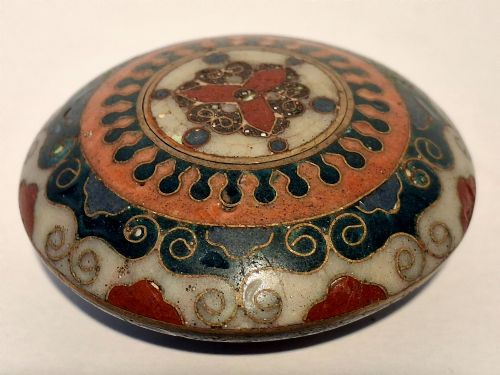
Construction relies on base metals such as brass, copper alloy, and chrome, frequently upgraded with sterling silver or silver-gilt plating. Artisans fused vitreous enamel directly onto these metal foundations, occasionally employing cloisonne techniques with wire partitions to contain the coloured pastes.
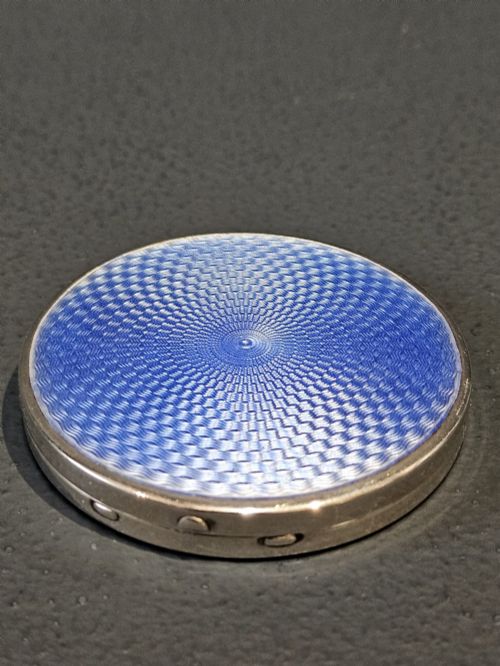
Surface decoration frequently incorporates guilloche engraving beneath translucent enamel layers, creating geometric patterns that catch the light. Finishing touches involve hinged mechanisms, fitted leatherette cases, and precise metal-cutting for functional items like vesta cases and presentation keys.
Collectible Enamel Boxes Retail Price Guide 2026
Typical asking prices for collectible enamel boxes among the pieces listed under this phrase on Sellingantiques today, from the lower quarter to the upper quarter. They describe what is for sale here now, not the wider market.
Some nineteenth-century vesta cases recorded the colours of Lord Falmouth's racing stable alongside the portrait of jockey Fred Archer.
What varies in quality
Quality differences emerge in the crispness of the metal chassis and the complexity of the enamel work, particularly where guilloche engraving lies beneath translucent layers. Superior examples display precise hinge alignment and unblemished vitreous surfaces across complex curved forms.
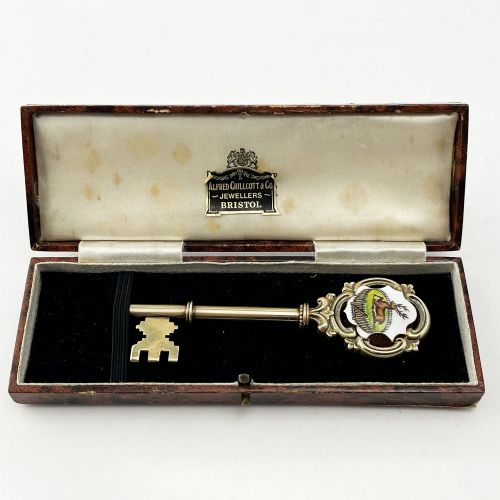
Provenance and association also differentiate pieces, such as commemorative silver keys or sporting pieces depicting specific subjects like historical jockeys in racing colours. The integration of precious metals like sterling silver and silver-gilt elevates the manufacturing standard above standard base-metal production.
Richard Hudnut·Houbigant
The Collectible Enamel Boxes Glossary
- Enamel
- A glassy substance fused to metal through high-temperature firing to provide a smooth, colourful decorative surface. This technique protects the underlying metal while offering rich visual depth.
- Guilloche
- A decorative engine-turning technique that etches precise repeating patterns into metal before translucent enamel is applied. The underlying pattern remains visible through the coloured glass layer.
- Vesta case
- A small pocket-sized container originally designed to hold matches and keep them dry. These items often feature hinged lids and strike plates on the base.
- Cloisonne
- A metalwork technique where thin wire partitions are soldered to a base to create cells that hold enamel paste before firing. This method produces distinct bordered compartments of colour.
- Silver-gilt
- Silver that has been coated with a thin layer of gold on its exterior surface. This treatment combines the structural strength of silver with the warm appearance of gold.
Collectible Enamel Boxes: Frequently Asked Questions
What are collectible enamel boxes?
These pieces are small decorative and functional containers featuring fused glass surfaces on metal bases, spanning vanity items like powder compacts and utility items like vesta cases.
They reflect shifts in design from Georgian patch boxes through Victorian silver work to Art Deco geometric styles.
How do I identify Art Deco compacts?
Art Deco compacts typically date from the nineteen-thirties and feature streamlined chrome, brass, or silver construction with geometric motifs.
Many examples incorporate multiple functions, such as combination compacts designed to hold powder and other cosmetics.
What is a patch box?
A patch box is an eighteenth-century container originally used to hold small decorative fabric patches worn on the face.
These early enamel pieces often feature hinged lids and delicate painted or enamelled decoration suited for pocket carriage.
How should I care for enamel items?
Enamel surfaces require gentle handling to prevent chipping or scratching of the vitreous glass layer against hard objects.
Keep pieces away from harsh chemical cleaners and store them in dry environments to protect vulnerable brass, copper, and silver mounts.