



Collectible Display Plate
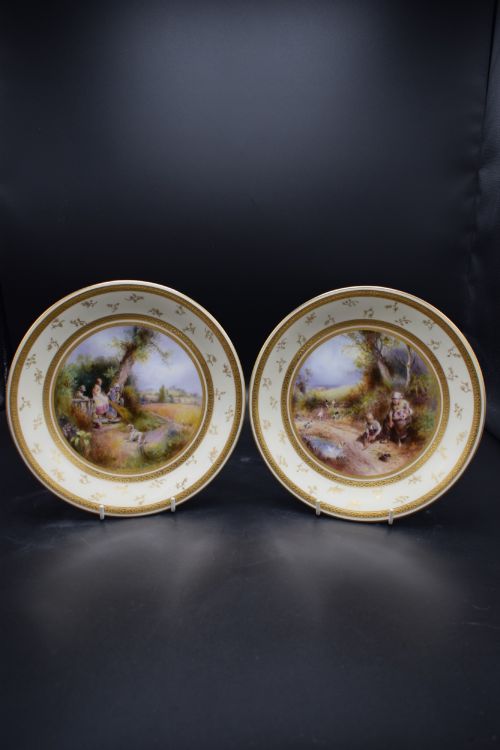
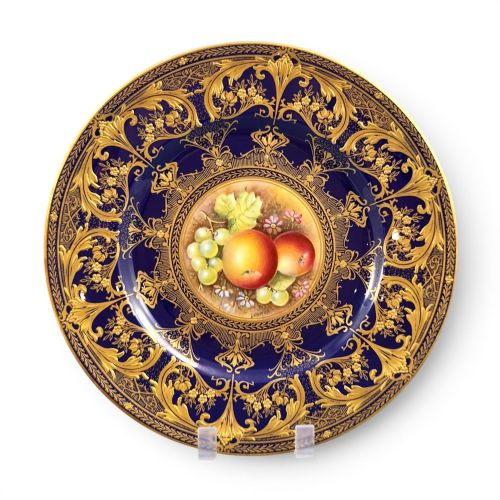
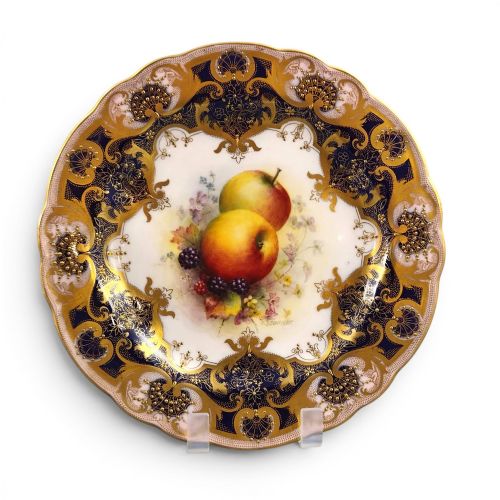
These collectible display plate examples bring hand-painted fruit, floral motifs, and intricate gilding directly from historic kilns onto your walls and cabinets.
Collectible Display Plate
A collectible display plate comprises hand-painted porcelain and bone china items originally designed for visual admiration rather than routine dining. You encounter pieces spanning the Georgian period, the Victorian era, and mid-twentieth-century makers.
Makers include Royal Worcester, Derby, Coalport, Minton, Royal Crown Derby, and Meissen, alongside moulded glass works by Rene Lalique. These objects showcase fine botanical and fruit artistry executed by named porcelain painters.
Materials and Techniques
Potters shaped high-grade porcelain and bone china bodies before applying complex underglaze and overglaze techniques. Skilled artisans then hand-painted detailed fruit and floral scenes directly onto the ceramic surface.
Gilt, gold leaf, and gold gilding were meticulously applied to borders and edges, framing the central artwork. Specialised firing fixed these metallic accents and polychrome pigments permanently into the glaze.
Collectible Display Plate Retail Price Guide 2026
Typical asking prices for collectible display plate among the pieces listed under this phrase on Sellingantiques today, from the lower quarter to the upper quarter. They describe what is for sale here now, not the wider market.
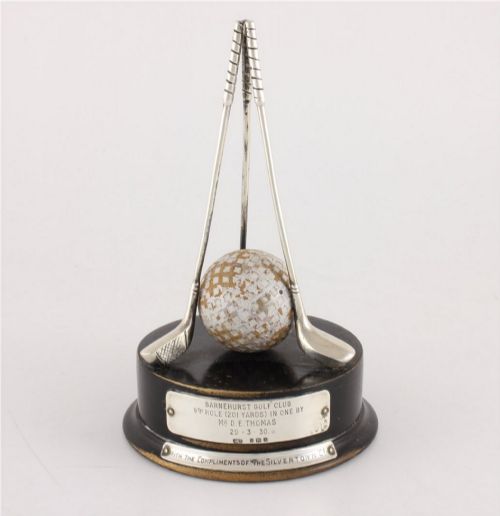
Object forms include traditional cabinet plates, decorative dishes, display stands, and weighted mahogany plate stands alongside unrelated antique weaponry and books.
Markers of Quality
Quality rests upon the skill of the artist and the prestige of the porcelain manufacturer. Hand-painted fruit scenes executed by known painters command greater attention than standard transfer-printed decoration.
The finesse of the gold gilding and the crispness of moulded details, such as rope edges, define the upper tier of production. Preservation of the painted surface without pigment loss remains paramount.
Royal Worcester·Derby Porcelain·Coalport·Barr Flight and Barr·Minton·Meissen·Rene Lalique·Royal Crown Derby
The Collectible Display Plate Glossary
- Cabinet plate
- A decorative ceramic plate intended for display in a glass-fronted cabinet rather than everyday use. These pieces often feature elaborate painted scenes and rich gilding.
- Bone china
- A type of soft-paste porcelain containing bone ash, known for high mechanical strength and milk-white translucency. It forms the base for many fine British display pieces.
- Gilding
- The application of gold leaf or gold powder to ceramic surfaces for decorative enhancement. This technique highlights rims, borders, and handles.
- Rope edge
- A moulded ceramic rim mimicking the twisted texture of a rope. This structural border appears on various mid-century decorative plates.
Collectible Display Plate: Frequently Asked Questions
How were collectible display plates used historically?
Display plates served as status symbols in wealthy households, exhibited in dining room cabinets or on sideboards to demonstrate taste and affluence. They were selected for their artistic merit rather than functional utility.
Over time, wealthy patrons commissioned bespoke dessert services featuring hand-painted botanical or fruit studies by leading artists of the day.
How do I hang or display a cabinet plate safely?
Display plates require specialised wall hangers with rubber-coated prongs that distribute pressure evenly across the rim. Alternatively, dedicated wooden stands support plates securely on flat surfaces.
Avoid wire hangers that lack protective sleeves, as bare metal can scratch the delicate glaze and gold leaf borders over time.
How can I identify the period of a porcelain plate?
Factory backstamps stamped or painted on the underside serve as the primary indicator for dating British and European ceramics. Alterations in crown shapes, dot placements, and script styles correspond to specific decades of production.
Additionally, stylistic clues such as the rich pastel palettes of the Victorian era or the cleaner rope-edge forms of the mid-twentieth century help narrow the date.
Can I use antique display plates for serving food?
Display plates featuring heavy gold gilding, enamel work, and historic lead-based glazes are not suitable for modern food service or dishwasher cleaning. Utensils easily scratch the hand-painted enamels and delicate gilt rims.
Gentle dusting with a dry microfiber cloth is recommended to preserve the fragile overglaze decoration and maintain the integrity of the piece.