

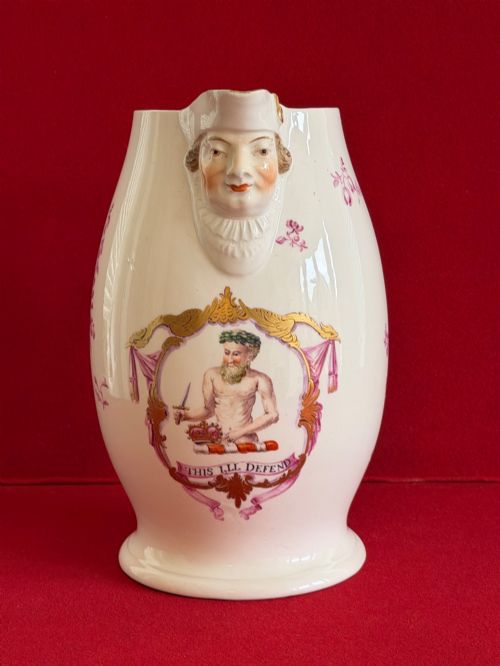


Collectible Derby Porcelain
Collectible derby porcelain spans Georgian figures and Victorian urns, offering delicate craftsmanship that brings historic English ceramic artistry directly into a room.
Collectible Derby Porcelain
Collectible derby porcelain encompasses a rich variety of historic English ceramic pieces, ranging from early soft-paste figures to later bone china tablewares. When buyers search for collectible derby porcelain, they encounter diverse forms such as decorative plates, miniature ceramics, mugs, urns, and detailed animal or human figurines.
The objects available span several distinct eras, notably the Georgian, Regency, and Victorian periods, reflecting shifting aesthetic tastes across centuries of production. Prominent early iterations include modelled wild boars, pastoral musicians, and allegorical figures, while later decades favour painted dessert plates and cabinet urns.
Makers and decorators operating within these factories produced works that vary greatly in scale and purpose, from utilitarian porter mugs to ornamental cabinet pieces. These items capture the evolution of British ceramic design through distinct historical epochs, providing enthusiasts with tangible links to past domestic and decorative traditions.
Materials and methods of production
Early works rely heavily on soft-paste porcelain combined with lead glaze, creating a warm, translucent body that absorbed enamels in distinct ways during firing. As production methods evolved into the nineteenth century, manufacturers incorporated bone china alongside traditional porcelain bodies to achieve greater durability and whiteness.
Surface decoration frequently involved rich enamel painting executed by specialist artists, often highlighted with gold leaf and gold gilt details. Modelled pieces required skilled hand-shaping before glazing, while flatware utilised detailed hand-painted scenes applied across surfaces like dessert plates and mugs.
Collectible Derby Porcelain Retail Price Guide 2026
Typical asking prices for collectible derby porcelain among the pieces listed under this phrase on Sellingantiques today, from the lower quarter to the upper quarter. They describe what is for sale here now, not the wider market.
Early ceramic menagerie choices include finely modelled wild boars standing ready on period bases.
Assessing quality and execution
The application of gilding and enamel colours contributes heavily to an object's overall visual success, with richer, denser palettes indicating higher ambition in the workshop. Preservation of the original glaze and the integrity of the porcelain body further distinguish superior survivals from heavily restored or worn items.
Thomas Steele·Albert Gregory·F Garnett
The Collectible Derby Porcelain Glossary
- Soft-paste porcelain
- An early ceramic composition fired at lower temperatures than hard-paste, producing a porous body with a warm lustre. This material is characteristic of eighteenth-century output.
- Bone china
- A sturdy ceramic body containing bone ash, developed to provide greater strength and whiteness. It became widely utilised in nineteenth-century production.
- Lead glaze
- A transparent glassy coating applied to pottery before a final firing to seal the porous body. It imparts a characteristic gloss to early wares.
- Gold gilt
- A thin layer of gold applied to ceramic surfaces for decorative enhancement. It frequently highlights rims, handles, and figural bases.
- Imari
- A decorative style inspired by Japanese exports, featuring deep cobalt blue and iron red complemented by gold. This palette appears on various ceramic forms.
Collectible Derby Porcelain: Frequently Asked Questions
What is collectible derby porcelain?
Collectible derby porcelain comprises historical ceramic objects produced in Derby, England, including figures, plates, urns, and mugs.
These pieces date from the eighteenth century through the twentieth century and reflect changing British design styles.
How do I identify early derby porcelain?
Early pieces often feature soft-paste porcelain bodies with lead glaze and hand-modelled details characteristic of Georgian production.
Examinations of the paste texture and enamel colours help distinguish eighteenth-century items from later Victorian wares.
Were these pieces used daily?
Many items, such as porter mugs and dessert plates, served practical functions in historic dining and social settings.
Other objects like figurines and decorative urns were intended strictly for display within domestic interiors.
How should I display derby porcelain?
These ceramic items require stable placement in cabinets or on surfaces protected from direct impact and heavy vibration.
Keeping them away from excessive moisture and direct sunlight preserves the enamel colours and gold leaf over time.