





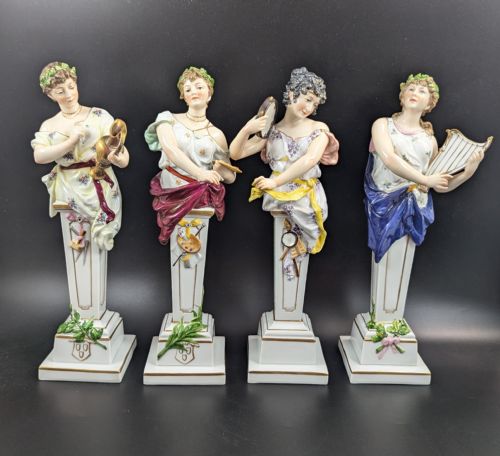
Collectible Ceramic Sculpture
Collectible ceramic sculpture brings three-dimensional form into your home, ranging from eighteenth-century animals to twentieth-century dancers.
Collectible Ceramic Sculpture
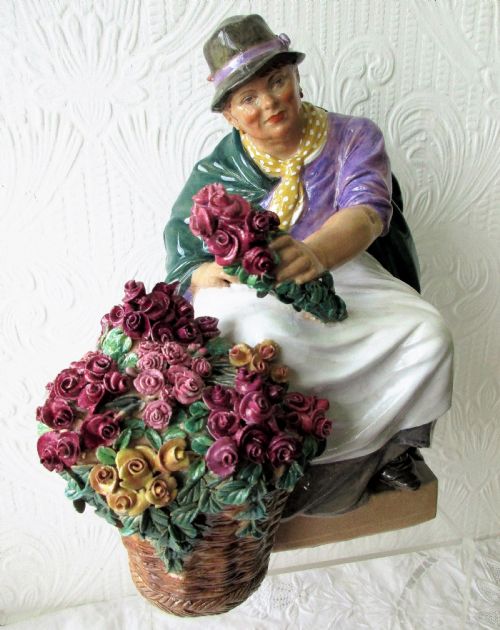
Collectible ceramic sculpture comprises figures, statuettes and sculptural groups produced across the eighteenth, nineteenth and twentieth centuries. When searching for collectible ceramic sculpture, buyers frequently encounter porcelain and earthenware depictions of animals, human figures and allegorical subjects.
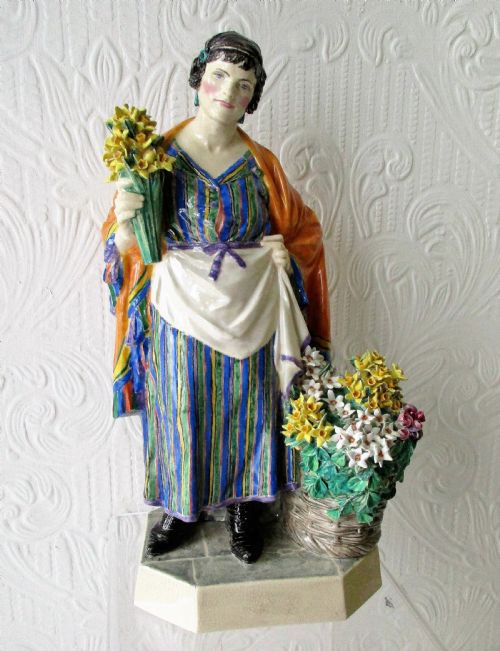
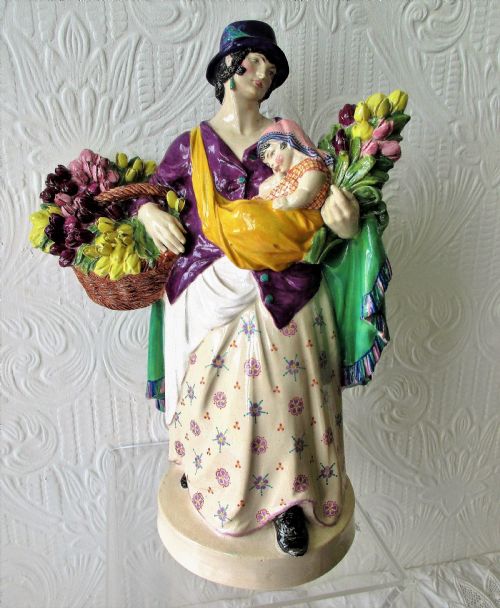
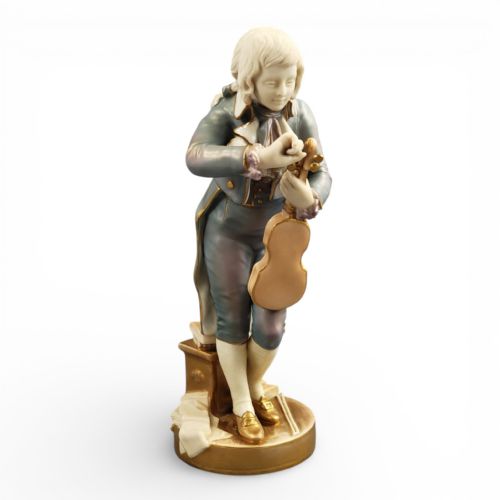
The objects span Georgian models like Derby boars, Victorian and Edwardian factory productions by Royal Worcester, and studio pottery figures from makers such as Charles Vyse. European porcelain works from Meissen, Nymphenburg and Samson also populate this field.
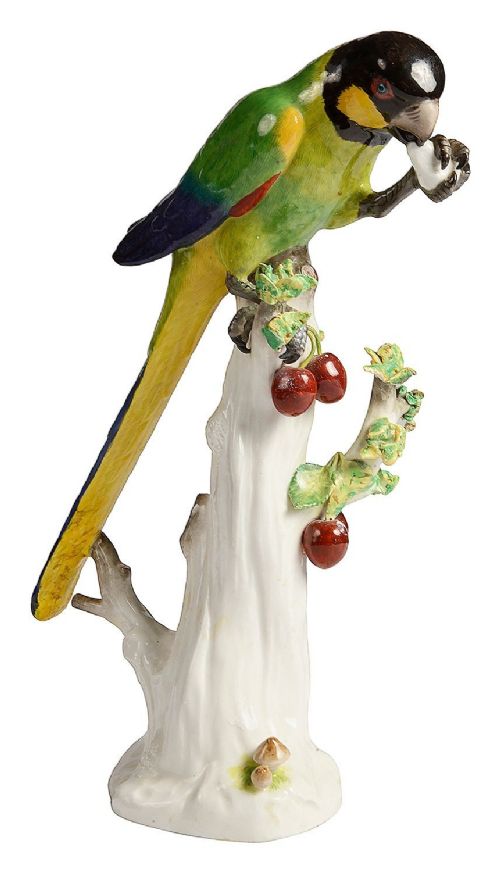
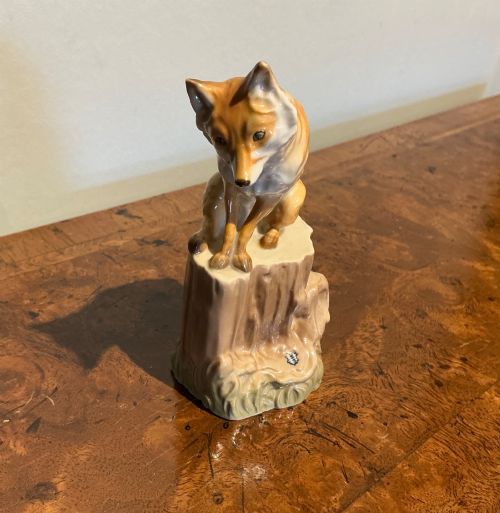
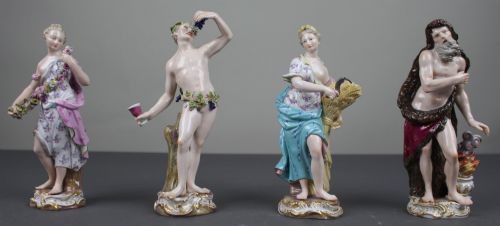
Forms vary from single animal models perched on tree trunks to multi-figure sets representing the seasons or allegories. These pieces bridge decorative arts and sculpture through glazed and painted finishes.
Materials and construction
Makers utilised hard-paste porcelain, earthenware and bone bodies, shaping them through moulding or studio modelling. Surface decoration relies on enamel painting, delicate gilding with gold leaf, and glossy or matte glazes.
Firing techniques required precise kiln control to set intricate details such as feathers, foliage and garments. Applied elements like flowers and modelled bases were assembled before firing.
Collectible Ceramic Sculpture Retail Price Guide 2026
Typical asking prices for collectible ceramic sculpture among the pieces listed under this phrase on Sellingantiques today, from the lower quarter to the upper quarter. They describe what is for sale here now, not the wider market.
Listings span porcelain, earthenware, enamel, and gold leaf across Georgian, Edwardian, and Art Deco periods.
Assessing quality and execution
Quality rests upon the crispness of the modelling and the sensitivity of the hand-painted enamels. Superior examples retain fine details in facial expressions, drapery and naturalistic textures without blurring from excessive glaze.
The prestige of the factory or studio and the skill of the named modeller dictate distinction. Early casting precision and well-preserved gilding separate fine factory output from routine production.
Nymphenburg·Meissen·Royal Worcester·James Hadley·Charles Vyse·Derby·Theo Voss·Royal Dux·Samson·Achille Mollica
The Collectible Ceramic Sculpture Glossary
- Hard-paste porcelain
- A durable ceramic composition fired at high temperatures, composed of kaolin and petuntse. It provides a dense, vitrified body that accepts fine glaze and enamel painting.
- Enamel
- Low-firing coloured glass fused to the glazed surface during secondary kiln runs. It yields the vibrant polychrome hues seen on figures and costumes.
- Blush ivory
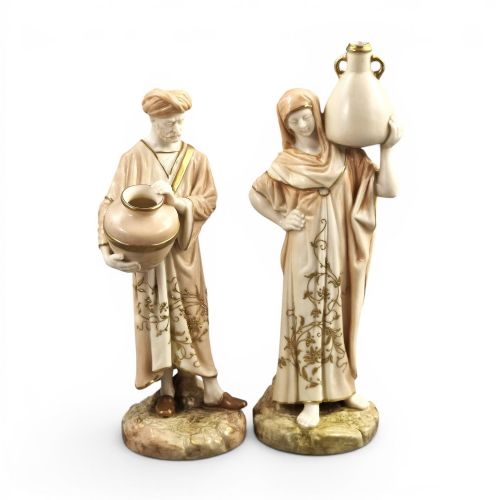
- A tinted matte ivory glaze developed by Royal Worcester in the late nineteenth century. It mimics the warmth of real ivory beneath gilt and painted highlights.
- Studio pottery
- Individual ceramic works created by artist-potters working independently of large commercial factories. These figures often bear distinct personal signatures or marks.
- Bisque
- Unglazed porcelain fired once to a porous state, valued for its matte, marble-like finish on sculptural details.
Collectible Ceramic Sculpture: Frequently Asked Questions
How do I identify early figures?
Examine the base for factory marks, paste consistency and potting style. Early Georgian and eighteenth-century pieces often display hand-modelled quirks and unglazed foot rims.
Compare the enamel palette and glaze sheen with known factory standards from the period. Reference marks carefully against factory histories.
Where should I display ceramic sculptures?
Position sculptures in stable cabinets or on sturdy consoles away from direct sunlight and heavy foot traffic. Ensure the supporting surface is level to prevent tipping.
Keep pieces clear of temperature extremes and moisture to protect delicate glazes and applied elements.
How do I clean delicate porcelain?
Dust surfaces gently with a soft, dry artist's brush or feather duster. Avoid using water or chemical cleaners on painted enamels and gilded sections.
Inspect the piece under good light before dusting to check for loose applied flowers or historical repairs.
What is studio pottery sculpture?
Studio pottery figures are independent works modelled by individual artists rather than factory workers. Makers like Charles Vyse produced character studies reflecting contemporary life.
These pieces emphasise artistic expression over mass production and carry distinct personal or studio signatures.