





Collectible Cane
A collectible cane carries the history of daily utility turned into social ornament, personal defence, or playful novelty.
Collectible Cane
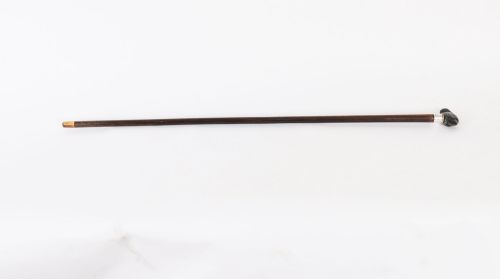
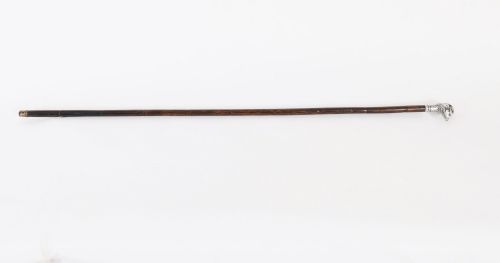
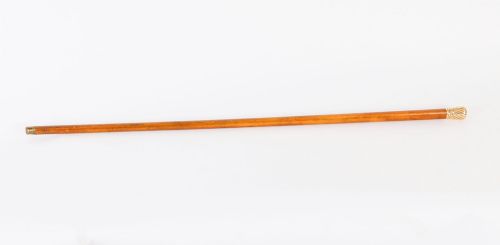
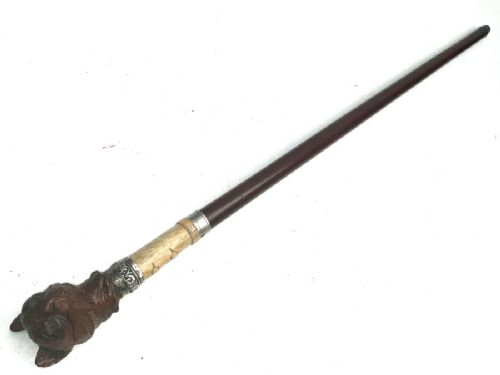
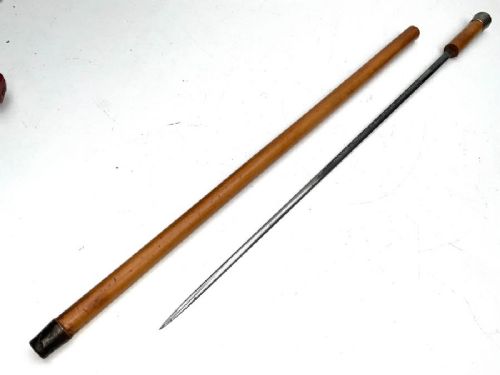
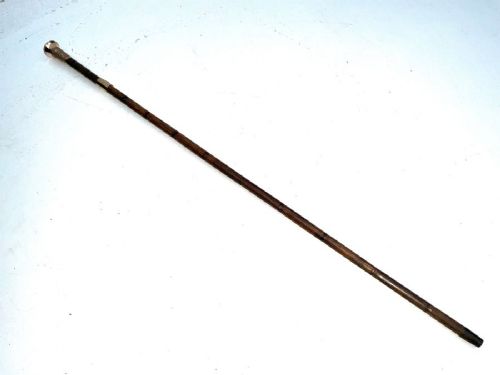
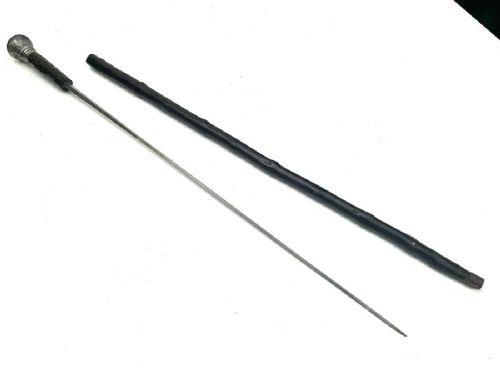
When you search for a collectible cane, you encounter a varied selection of nineteenth and early twentieth century walking sticks, sword sticks, and swagger sticks. These objects served gentlemen, military officers, and collectors as functional supports or hidden blades.
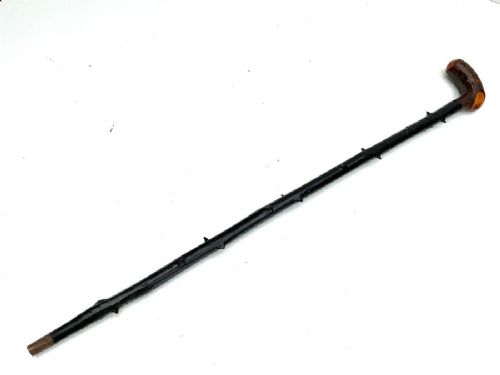
The pieces on this page span the Victorian, Edwardian, Art Nouveau, and Art Deco periods, showcasing regional traditions such as Irish blackthorn alongside French porcelain and British craftsmanship.
Materials and Construction
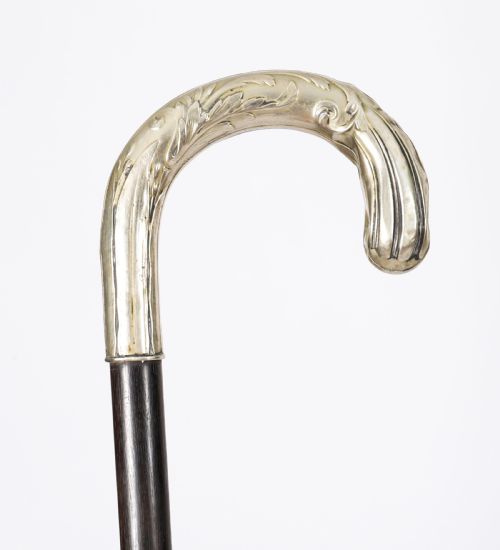
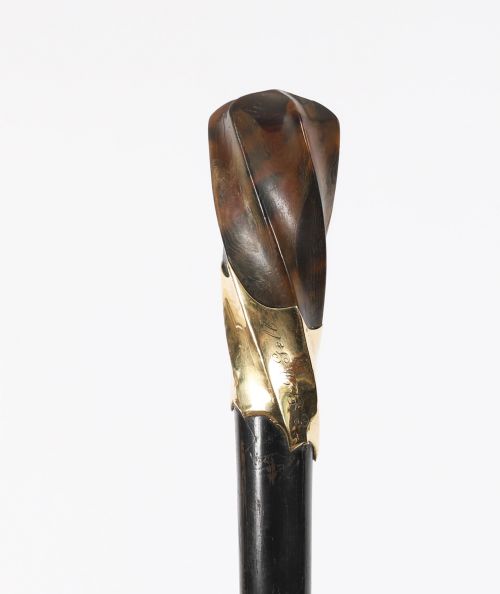
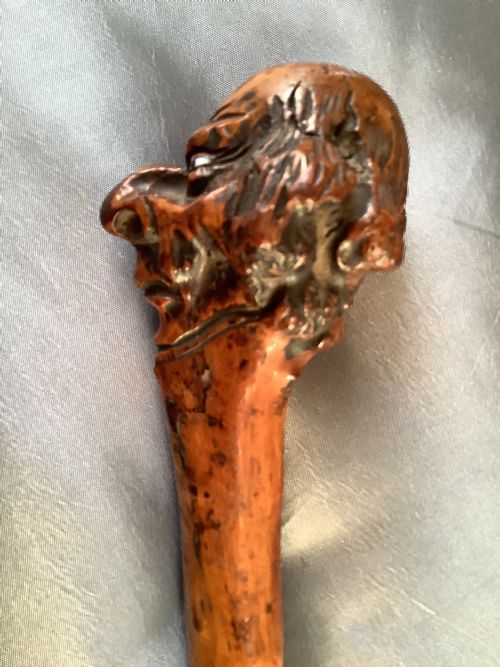
Maker's workshops combined natural materials such as hardwood, malacca, holly wood, horn, bone, and leather with metals including steel, brass, silver, and eighteen-carat gold. Handles were carved into animal heads, parrot figures, duck forms, and horse motifs, or fashioned into smooth pommels.
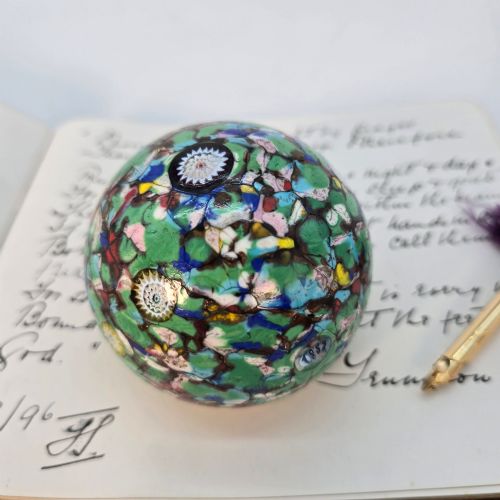
Specialised examples integrated functional mechanisms, concealing steel sword blades, corkscrews, or glass elements within the wooden shafts.
Collectible Cane Retail Price Guide 2026
Typical asking prices for collectible cane among the pieces listed under this phrase on Sellingantiques today, from the lower quarter to the upper quarter. They describe what is for sale here now, not the wider market.
The listings span the nineteenth century through the nineteen-thirties, incorporating materials from silver and gold to horn and glass.
Judging Quality
Quality rests in the precision of the handle carving, the integrity of the silver or gold mounts, and the balance of the shaft. Superior pieces display crisp detailing on animal handles and secure mechanisms on sword sticks.
Makers known for exceptional production demonstrate refined proportions and enduring materials that separate standard utilitarian items from distinguished examples of the period.
Brigg·Sevres
The Collectible Cane Glossary
- Pommel
- The rounded handle or knob at the top of a walking stick, often cast in silver or gold.
- Sword stick
- A walking cane containing a concealed metal blade within its wooden shaft.
- Swagger stick
- A short, light cane traditionally carried by military officers.
- Malacca
- A sturdy, mottled rattan cane material prized for flexibility and strength.
- Blackthorn
- A dense Irish hardwood traditionally used for rustic walking sticks.
Collectible Cane: Frequently Asked Questions
How are sword sticks concealed?
A sword stick contains a hidden metal blade within the hollow wooden shaft, secured by a friction fit or a latch mechanism near the handle.
Collectors examine the join between handle and shaft to observe the seamless integration of the concealed blade.
What materials make up the handles?
Handles incorporate silver, brass, eighteen-carat gold, porcelain, horn, bone, and carved wood shaped into animals or smooth pommels.
These materials reflect the social status and personal tastes of the original nineteenth and twentieth century owners.
How do I date an antique cane?
Dating relies on hallmarks upon silver or gold mounts, stylistic indicators such as Art Nouveau or Art Deco carving, and material choices.
Detailed examination of the handle design and manufacturing technique often aligns the piece with Victorian or Edwardian production periods.
Were swagger sticks used in the military?
Military officers carried swagger sticks as part of their uniform during the nineteenth and early twentieth centuries.
These shorter canes served ceremonial and disciplinary functions rather than heavy physical support.