





Collectible Cane Handle
These collectible cane handle pieces offer a tangible link to past craftsmanship, bringing character and distinct form to any display.
Collectible Cane Handle
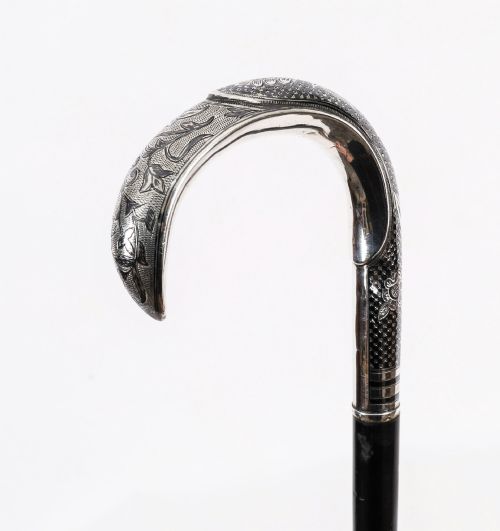
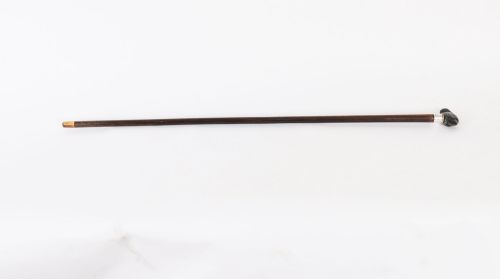
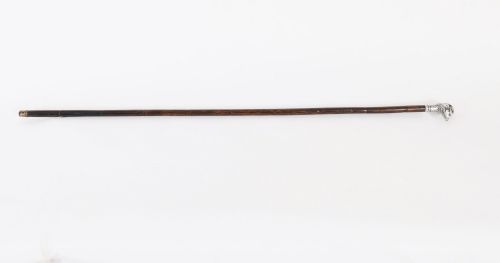
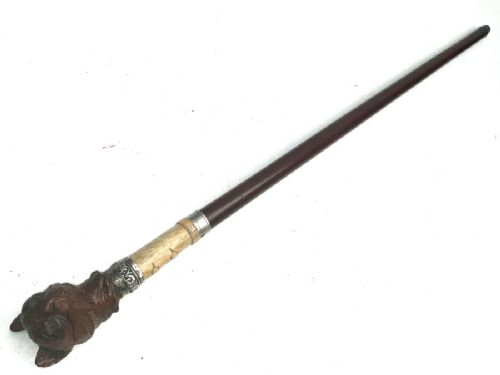
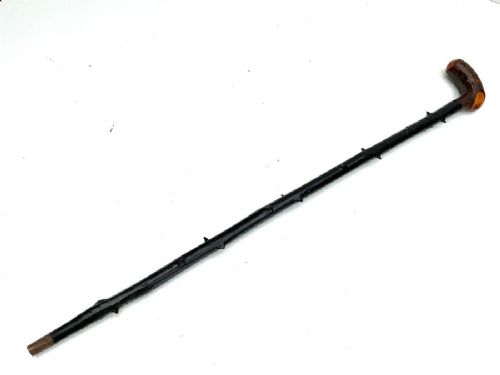
When you search for collectible cane handle, you encounter diverse grips mounted on walking sticks, canes, and sword sticks spanning the Victorian era through the early twentieth century. The selection ranges from domestic Victorian pieces to French nineteenth-century examples and traditional Irish blackthorn work.
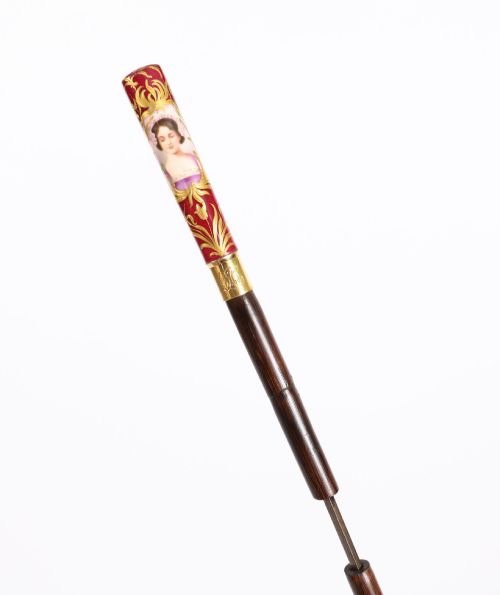
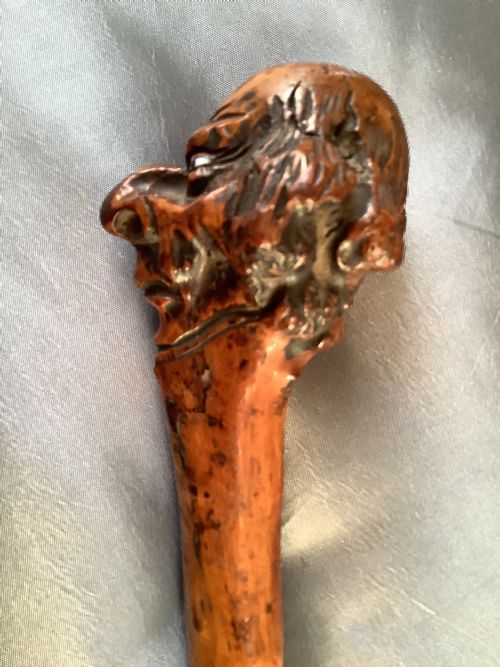
Animal forms dominate the visible selection, featuring carved depictions such as ducks, parrots, rabbits, and horses alongside metallic pommels and porcelain sections. These objects bridge utilitarian walking aids and decorative items, reflecting the varied social habits of past gentlemen and children.
Distinctions in standard and execution
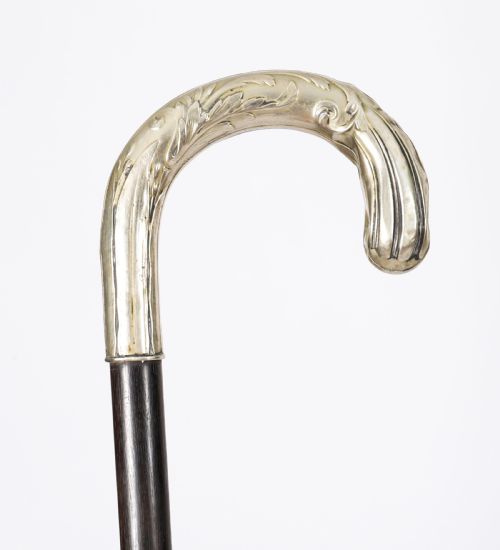
Superior examples exhibit refined detail in carved animal subjects and precise execution of precious metal mounts by established makers like Brigg's. The quality of hand-finishing on materials like Sevres porcelain or cast silver separates mass-produced items from finely detailed commissions.
The choice of materials dictates the overall grade of the piece, with solid gold pommels and intricate folk art carvings representing higher levels of artisanal investment. Preservation of the original surface patination and the secure attachment of the handle to the shaft influence the desirability of the item.
Collectible Cane Handle Retail Price Guide 2026
Typical asking prices for collectible cane handle among the pieces listed under this phrase on Sellingantiques today, from the lower quarter to the upper quarter. They describe what is for sale here now, not the wider market.
One nineteenth-century gadget stick conceals a working corkscrew inside a charming rabbit handle.
Brigg's
The Collectible Cane Handle Glossary
- Pommel
- A rounded knob or decorative handle fitted to the top of a cane or sword stick. It often provides a comfortable grip for the hand.
- Ebonised
- Wood treated to imitate the dark, dense appearance of ebony. This finish appears frequently on nineteenth-century walking canes.
- Sevres
- Fine porcelain produced by the French factory, utilised here for decorative sections on nineteenth-century sticks. It brings a distinct ceramic texture to the handle.
- Blackthorn
- A tough timber traditionally used for Irish walking sticks. It yields a sturdy, knobby shaft and handle structure.
- Swagger stick
- A short, light cane carried by military officers and gentlemen. These pieces often feature decorative metal or folk art handles.
Collectible Cane Handle: Frequently Asked Questions
What materials make up these handles?
The handles incorporate silver, eighteen-carat gold, horn, hardwood, and Sevres porcelain.
These materials appear across Victorian and twentieth-century examples, often paired with matching shafts.
How do I identify a Victorian piece?
Victorian examples align with the nineteenth-century timeline and frequently display traditional motifs like animal heads or metal pommels.
Examine the construction methods and material choices to confirm the era of manufacture.
What is a sword stick?
A sword stick conceals a blade within the wooden shaft beneath the handle.
These combination items served practical and defensive purposes during the nineteenth century.
How should I display these handles?
Display these pieces upright in stands or mounted securely on walls to showcase the carved details and precious metal mounts.
Keep them away from direct sunlight and extreme humidity to preserve the wood and porcelain.