



Collectible Cameo Glass
Collectible cameo glass brings together layered vessels and striking motifs from the late nineteenth and early twentieth centuries.
Collectible Cameo Glass
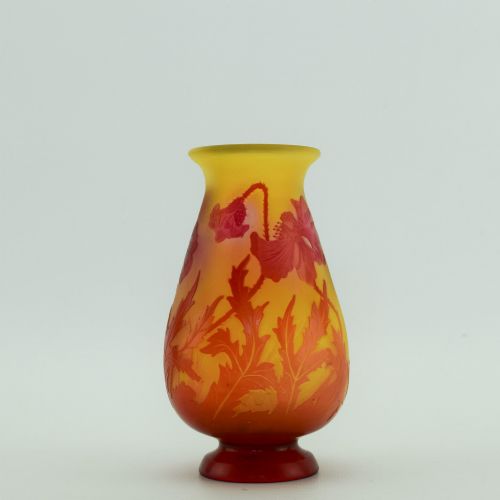
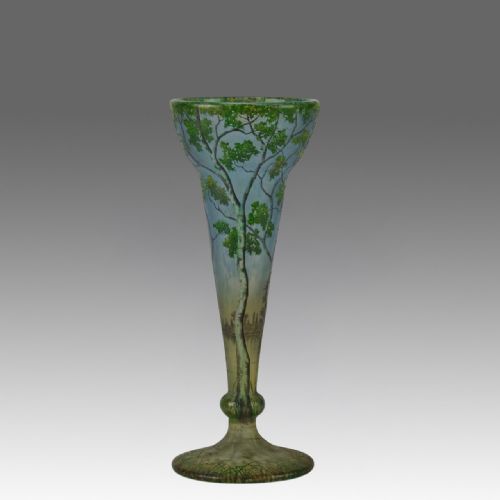
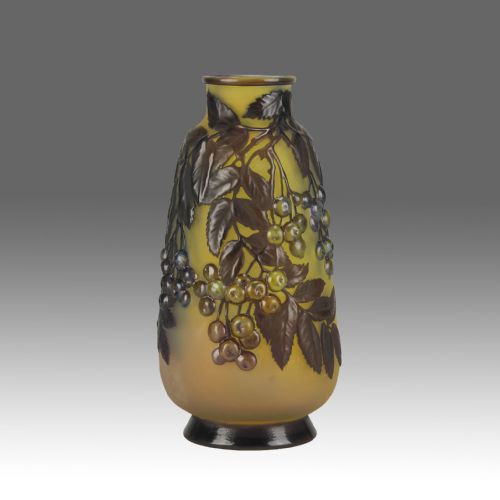
Collectible cameo glass comprises decorative vases produced during the late nineteenth and early twentieth centuries, spanning periods from eighteen ninety through nineteen twenty. These pieces take the form of various vase shapes, including footed vessels, banjo silhouettes, and miniature designs.
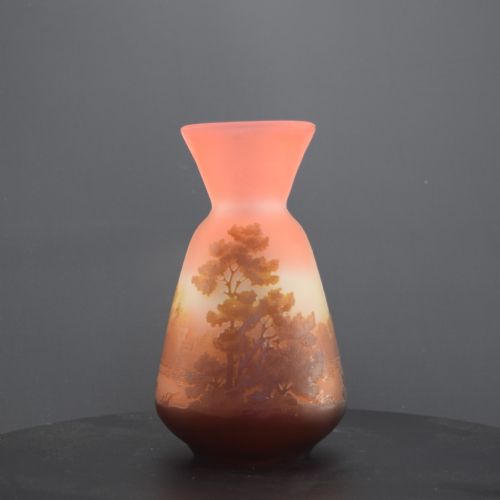
Art Nouveau aesthetics dominate these items, bringing organic curves and botanical or landscape motifs to the surface. Buyers meet pieces featuring floral subjects, aquatic scenes, and wooded vistas executed in distinct coloured layers.
How they were made
Makers utilised layered glass to build contrast, employing acid-etching techniques alongside enamel, frosted glass, and occasional gold leaf details. The acid-etching process ate away at upper strata of coloured glass to reveal contrasting backgrounds beneath.
Artisans manipulated multiple glass layers to achieve depth in landscape and floral designs. The combination of cameo glass with enamel or frosted finishes created varied surface textures across these vases.
Collectible Cameo Glass Retail Price Guide 2026
Typical asking prices for collectible cameo glass among the pieces listed under this phrase on Sellingantiques today, from the lower quarter to the upper quarter. They describe what is for sale here now, not the wider market.
All listed objects take the form of vases, incorporating materials such as frosted glass, enamel, and gold leaf.
What varies in quality
Quality rests upon the precision of the acid-etching and the complexity of the layered glass motifs. Finer examples display crisp botanical or landscape details that command attention across the entire vessel.
The sophistication of the design execution separates standard output from superior pieces. Skilled handling of colour transitions between the cameo layers defines the better specimens.
Daum Frères·Gallé
The Collectible Cameo Glass Glossary
- Cameo Glass
- Glass formed with multiple layers of contrasting colours, where portions are cut or etched away to create a raised design. This technique yields a distinct relief effect on the vessel wall.
- Acid-Etched Glass
- Glass treated with acid to eat away specific areas of the surface. This method creates designs and matte textures without manual carving.
- Art Nouveau
- A stylistic movement prominent around nineteen hundred characterised by flowing organic lines. Motifs draw heavily from natural forms such as plants and landscapes.
- Enamelled Glass
- Glass decorated with melted glass powders fused to the surface by heat. It adds vibrant colour details and pictorial elements to the object.
Collectible Cameo Glass: Frequently Asked Questions
What is collectible cameo glass?
Collectible cameo glass consists of layered glass vases produced around the turn of the twentieth century. These objects feature distinct motifs created through acid-etching and glass manipulation.
Artisans utilised techniques developed during the late nineteenth and early twentieth centuries to produce intricate floral and landscape designs.
How do I identify Art Nouveau cameo glass?
Art Nouveau cameo glass exhibits organic curves and naturalistic subjects such as flowers, trees, and aquatic scenes. The forms reflect the stylistic preferences of the nineteen hundreds.
Look for detailed plant motifs and natural landscape themes integrated directly into the layered glass structure.
What materials were used?
These pieces utilise layered glass as the primary medium, often enhanced with acid-etching, enamel, frosted glass, and gold leaf. The interaction of these materials creates the signature cameo effect.
Makers combined different coloured glass strata to achieve depth and contrast within the decorative scheme.
How should I display cameo glass vases?
Display these vases in spaces with adequate light to highlight the translucent qualities of the layered glass. Placing them away from direct physical hazards protects the delicate acid-etched surfaces.
Allowing sufficient surrounding space lets the intricate botanical and landscape details remain clearly visible.