




Collectible Blue Pottery
Collectible blue pottery gathers together glazed ceramic pieces ranging from Victorian figures to Art Deco lustre vases.
Collectible Blue Pottery
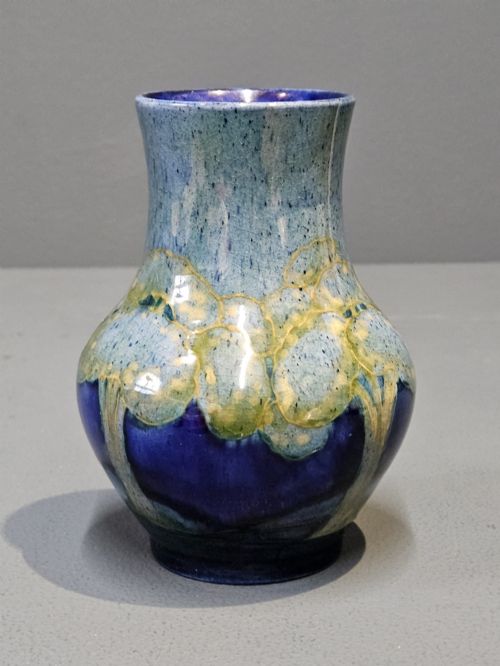
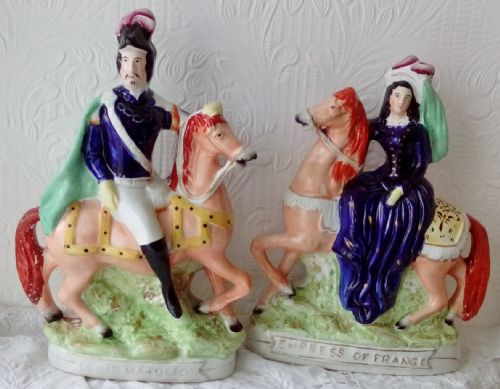
When you search for collectible blue pottery, you find a varied group of ceramic objects spanning the nineteenth and twentieth centuries. The selection includes Staffordshire figures, Maling fruit bowls, and Moorcroft vases.
Most pieces on this page date from the Victorian period up through the Art Deco era of the 1920s and 1930s. You will regularly encounter vases, decorative bowls, and pottery figures featuring distinct blue glazes.
Makers such as Wedgwood, Moorcroft, and Royal Doulton dominate the selection, offering everything from miniature lustre bowls to large decorative plates. Each era brings its own distinct form and decorative approach to the blue pottery tradition.
How they were made
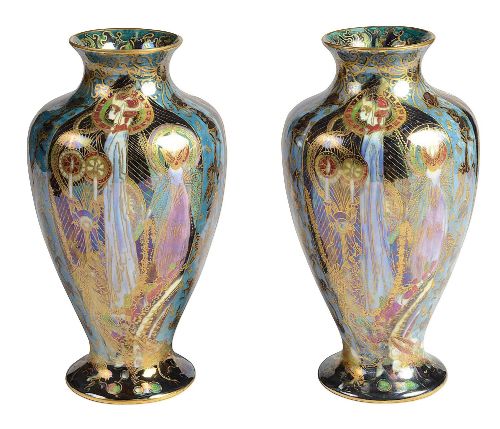
Potters shaped these pieces from earthenware and stoneware before applying rich glazes and enamels to the surface. Many examples incorporate specialised finishes like lustre glaze and gold leaf to add depth and reflectivity.
Makers utilised techniques such as hand painting and stamping, particularly evident in signed Moorcroft and Wedgwood pieces. The firing process fixed the vibrant blue pigments into the ceramic body, ensuring lasting colour.
Collectible Blue Pottery Retail Price Guide 2026
Typical asking prices for collectible blue pottery among the pieces listed under this phrase on Sellingantiques today, from the lower quarter to the upper quarter. They describe what is for sale here now, not the wider market.
The listings span from the 1860s through the 1930s, featuring earthenware and stoneware decorated with lustre glaze and gold leaf.
What varies in quality
Quality rests in the crispness of the moulding and the depth of the blue glaze across the ceramic body. Pieces decorated by named designers or bearing clear factory stamps tend to show superior execution.
The precision of hand-painted details and the richness of applied lustre or gold leaf separate standard items from exceptional examples. Preservation of the original surface finish without extensive wear remains a key factor.
Wedgwood·Royal Doulton·William Moorcroft·Maling·Pilkingtons Royal Lancastrian
The Collectible Blue Pottery Glossary
- Earthenware
- A porous pottery body fired at lower temperatures, commonly used for Victorian figures and jugs. It requires a glaze to become waterproof.
- Lustre Glaze
- A metallic film applied to pottery to create an iridescent sheen. It reflects light in varied tones across the blue surface.
- Stoneware
- A dense, impermeable ceramic fired at higher temperatures than earthenware. It provides a sturdy base for utilitarian and decorative vessels.
- Enamel
- Opaque glass used for surface decoration on ceramics. It adds vibrant colour details over the fired glaze.
- Baluster
- An architectural shape featuring a rounded lower portion tapering to a narrow neck, frequently seen in vases.
Collectible Blue Pottery: Frequently Asked Questions
How do I date blue pottery?
Dating relies on factory marks, signatures, and stylistic shifts between Victorian and Art Deco periods. Examining the specific glaze type and manufacturing technique also helps narrow the production era.
Changes in backstamps across different decades provide reliable clues for the precise age of the ceramic piece.
What is lustre glaze?
Lustre glaze incorporates metallic elements to produce a pearlescent or shimmering finish on the ceramic surface. This technique was used to great effect on early twentieth-century decorative wares.
The metallic sheen catches the light differently depending on the viewing angle.
Are these pieces waterproof?
Many stoneware and glazed earthenware pieces can hold water, but older or delicate items are better used for display. Earthenware bodies beneath the glaze may absorb moisture over time if cracked.
Check the interior condition before using any antique vase or jug for fresh flowers.
How do I clean antique pottery?
Dusting gently with a soft, dry cloth is the safest method for maintaining ceramic figures and decorative bowls. Avoid harsh chemical cleaners that can damage delicate enamels or gold leaf.
Water immersion should be avoided if the piece has visible hairline cracks or exposed earthenware.