




Collectible Art Deco Figure
A collectible art deco figure captures the bold glamour of the interwar years through stylised forms and striking materials.
Collectible Art Deco Figure
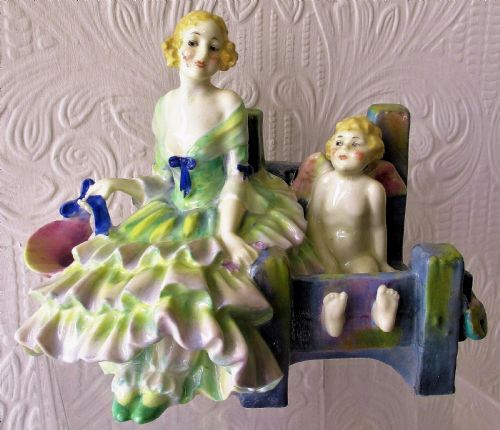
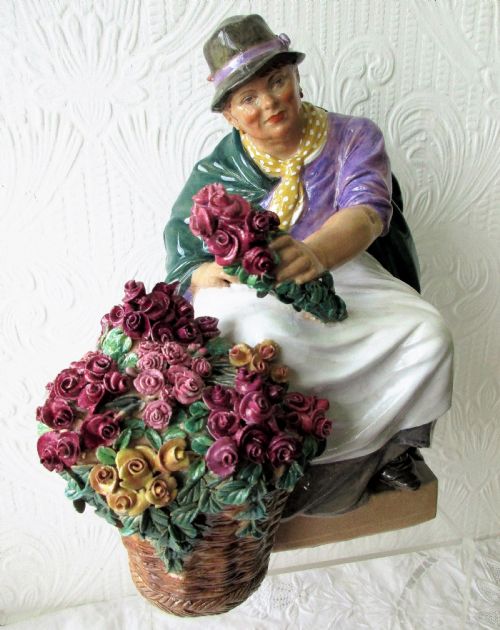
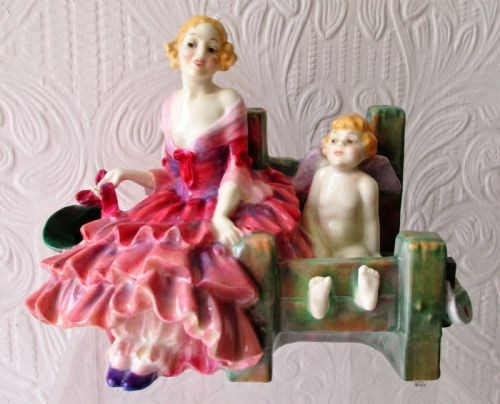
A collectible art deco figure spans decorative figurines, sculptures, and paperweights produced during the early twentieth century. You will encounter English porcelain figurines alongside French modernist bronze sculptures and studio pottery.
The selections on this page range across the nineteen tens, twenties, thirties, and forties. Each piece reflects the distinct aesthetic of its maker, whether cast in bronze or shaped in porcelain.
Makers focused on graceful human forms, dancers, and stylised animals. These items served as desk ornaments, paperweights, or cabinet centrepieces in contemporary homes.
Materials and methods
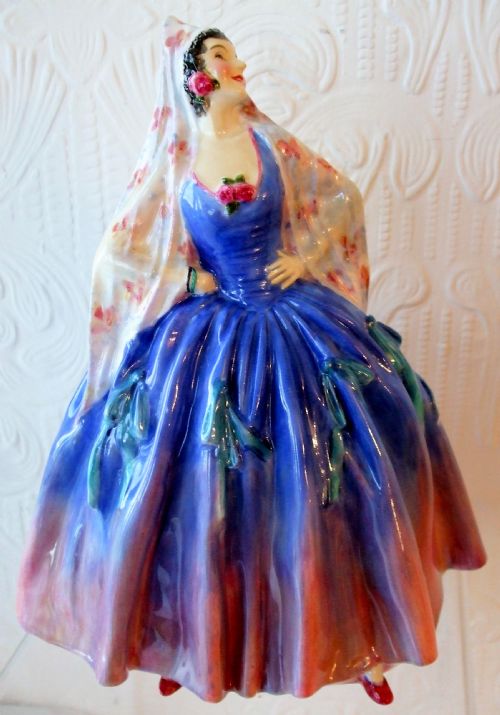
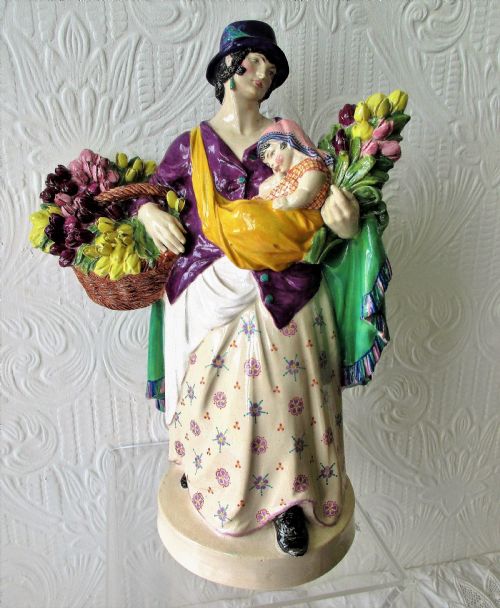
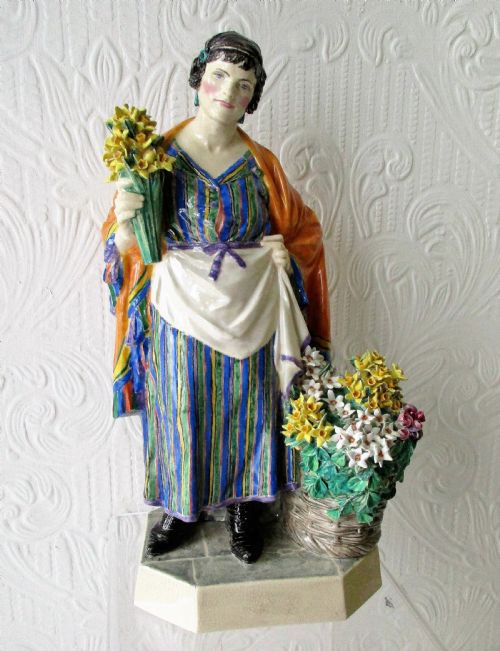
Artisans employed glazed porcelain, bone china, and earthenware, applying ceramic glaze to achieve smooth surface sheens. English potteries shaped these materials into detailed character studies and named subjects.
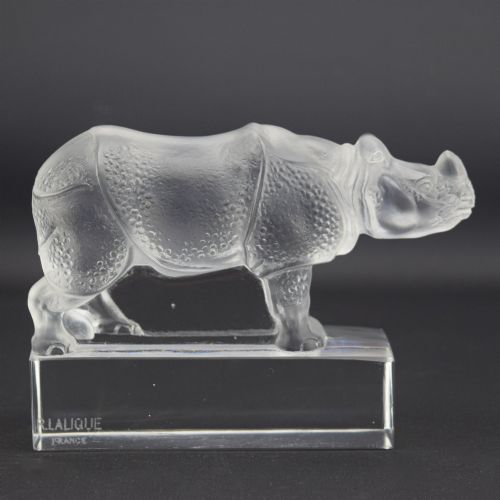
Foundries cast bronze and silvered bronze sculptures, sometimes after models by renowned sculptors. Glassworkers utilised frosted glass for car mascots and paperweights, capturing light within moulded contours.
Collectible Art Deco Figure Retail Price Guide 2026
Typical asking prices for collectible art deco figure among the pieces listed under this phrase on Sellingantiques today, from the lower quarter to the upper quarter. They describe what is for sale here now, not the wider market.
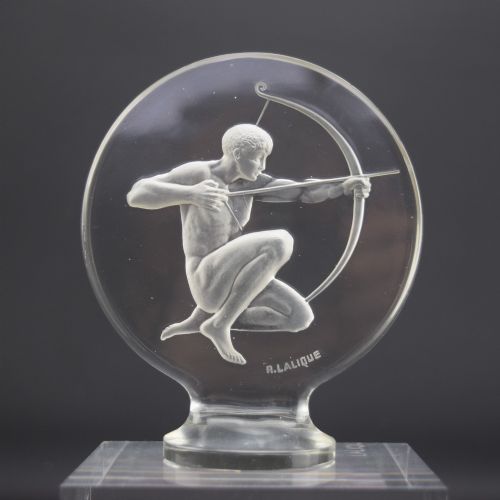
One car mascot depicts an archer straining his bow, originally designed to lead motorists down the road in nineteen twenty-six.
Assessing quality in figures
Execution of detail separates standard commercial output from master works by studio potters and named designers. The crispness of the casting in bronze or the precision of hand-painted ceramic glaze dictates the visual impact.
Surface finish and patination play a decisive role in sculptural pieces. Original silvering on bronze or unblemished frosted glass indicates superior preservation and manufacturing standard.
Charles Vyse·Rene Lalique·Aristide Maillol·Theo Voss·Mabel Lucie Attwell Shelley·Elizabeth Anna Clapp·Claire Colinet·Fasold and Stuach
The Collectible Art Deco Figure Glossary
- Art Deco
- A design style characterised by sleek lines, geometric symmetry, and modernist influences spanning the nineteen twenties and thirties. It emerged prominently in France and Britain.
- Bone China
- A type of porcelain composed of bone ash, feldspathic material, and kaolin. It offers high strength and a translucent body suitable for delicate figurines.
- Glaze
- A vitreous coating applied to ceramic bodies and fired in a kiln to colour, decorate, or waterproof the piece. It provides the smooth, shiny exterior seen on porcelain.
- Car Mascot
- An ornamental figurine mounted on the radiator cap of a motor car during the early twentieth century. Many were cast in frosted glass by prominent designers.
- Studio Pottery
- Ware produced by individual artists working by hand in small workshops rather than large factories. These pieces often feature unique glazes and modelled forms.
Collectible Art Deco Figure: Frequently Asked Questions
What materials were used for these figures?
These pieces utilise ceramic, earthenware, bone china, and porcelain with various glazes. Sculptors also worked in bronze, silvered bronze, and frosted glass.
English potteries favoured ceramic and porcelain for character figures, while French workshops frequently produced bronze and glass sculptures.
How do I identify the period of a piece?
The listings span the nineteen tens through to the nineteen forties, with the nineteen twenties and thirties being most common. Maker marks, signatures, and style indicators help establish the date of manufacture.
Stylistic cues such as French modernist lines or typical English porcelain numbering systems assist in dating each object accurately.
Where were these sculptures displayed originally?
Owners placed these decorative items on mantelpieces, desks, and display cabinets within contemporary domestic interiors. Glass car mascots were fitted directly to automobile radiator caps.
Smaller ceramic figures and pin cushion dolls served practical or decorative roles on dressing tables and writing desks.
Are these figures signed by their makers?
Many sculptures and studio pottery pieces bear incised signatures, foundry marks, or stamped names of the artist. Porcelain pieces often feature factory ciphers, pattern names, and model numbers.
Examining the base or lower edge usually reveals the necessary marks to identify the maker or pottery.