





Collectible Jewellery
Collectible antique jewellery encompasses miniature furniture, cased buttons and gold thimbles that reward close inspection.
Collectible Jewellery
Collectible antique jewellery spans small personal adornments and the decorative small-scale cases designed to house them. Pieces range from gold thimbles and silver stick pins to boxed sets of buttons and novelty brooches.
The selections on this page draw from the Victorian, Edwardian and Art Deco eras, alongside maritime industrial items and miniature wooden chests. These varied forms reflect both personal vanity and domestic craft from the nineteenth and early twentieth centuries.
How these pieces were made
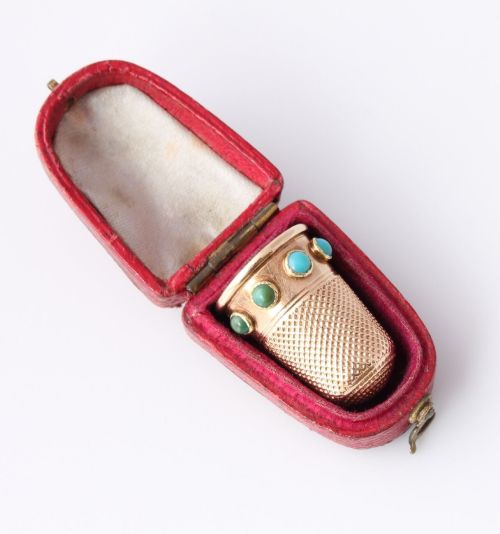
Makers utilised precious metals such as fifteen-carat gold and sterling silver, often pairing them with natural gems like turquoise cabochons. Display pieces incorporate mahogany, walnut, brass and glass to safely house delicate items.
Functional items often arrived in bespoke leatherette or velvet-lined boxes, ensuring that small metalwork and buttons remained protected during storage and transport.
Collectible Jewellery Retail Price Guide 2026
Typical asking prices for collectible jewellery among the pieces listed under this phrase on Sellingantiques today, from the lower quarter to the upper quarter. They describe what is for sale here now, not the wider market.
Listings feature items from the Victorian, Edwardian and Art Deco periods, utilising fifteen-carat gold, sterling silver, mahogany and brass.
What varies in quality
Quality rests on the crispness of metal ornamentation, the retention of original stones, and the integrity of accompanying fitted cases. Items retaining their original leather or velvet linings show a higher degree of preservation.
The skill involved in miniature cabinetry and fine metal stamping dictates the distinction between standard utilitarian items and superior examples destined for display.
James Deakin & Sons
The Collectible Jewellery Glossary
- Cabochon
- A gemstone shaped and polished with a smooth convex surface rather than faceted. This method highlights the natural colour of materials like turquoise.
- Bijouterie table
- A small display table with a glass top designed for showing small decorative items. These pieces allow jewellery and collectables to be viewed from above.
- Apprentice chest
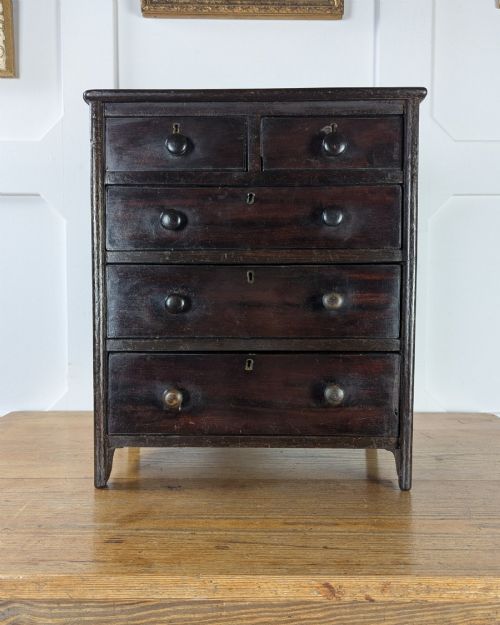
- A miniature chest of drawers created to demonstrate a cabinetmaker's skill to a guild. They replicate full-size furniture in every structural detail.
- Stick pin
- A long pin topped with an ornamental head, worn upright in a lapel or cravat. The head often incorporates precious metals and gemstones.
- Novelty brooch
- A pin fashioned into a specific recognisable shape or subject. These items gained popularity during the Art Deco period.
Collectible Jewellery: Frequently Asked Questions
What is an apprentice chest?
An apprentice chest is a small-scale model of a larger piece of furniture, constructed to demonstrate woodworking proficiency.
Cabinetmakers built these miniature chests using the same joinery and timber as full-size furniture, such as mahogany and walnut.
How were cased buttons used?
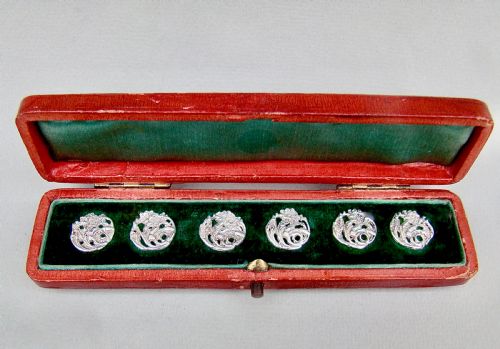
Cased buttons served as decorative fasteners for formal garments and were often presented in matching sets.
Contained within fitted boxes lined with velvet or leatherette, these silver items were kept safe when not sewn onto clothing.
What is a bijouterie table?
A bijouterie table is a raised display case with a glass panel top.
These tables were placed in drawing rooms to exhibit small valuables, medals and decorative personal items.
How do you date a stick pin?
Dating a stick pin involves examining the metal purity marks and the prevailing artistic style of the head.
Victorian examples often feature gold and natural stones, while later twentieth-century pieces utilise alternate materials.