





Collectible Bowl
A collectible antique bowl brings tangible history to a surface, spanning earthenware, porcelain, glass and turned timber across several centuries.
Collectible Bowl
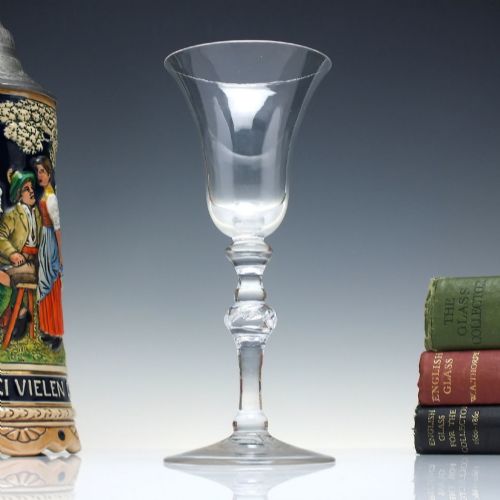
When you search for a collectible antique bowl, you encounter diverse domestic and decorative vessels spanning the seventeenth century through to the Art Deco decades. The selection includes ceramic fruit bowls, tea bowls, opalescent glass dishes and turned wooden treen vessels.
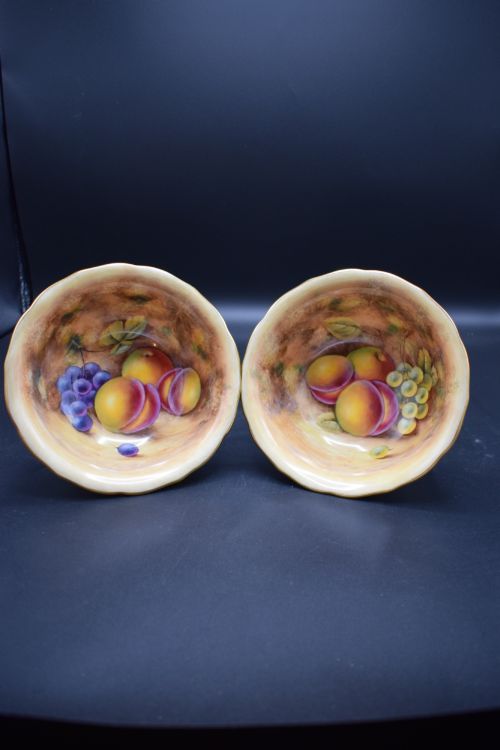
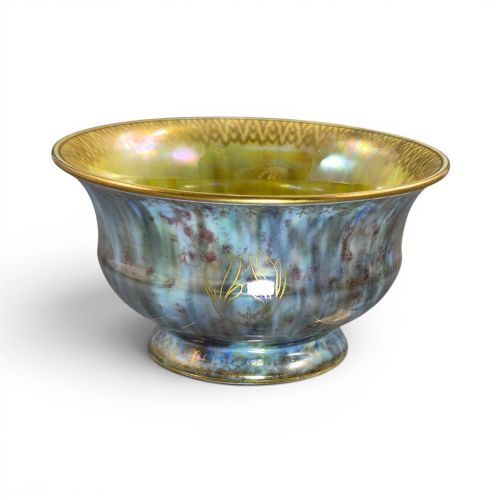
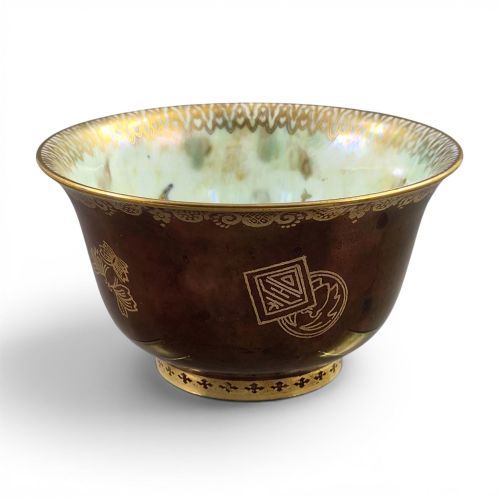
Ceramic examples range from eighteenth-century Worcester porcelain to twentieth-century Moorcroft earthenware and Maling fruit bowls. Alongside these sit distinct Wedgwood lustre bowls designed with complex coloured glazes.
Glassware appears in the form of large opalescent bowls by Rene Lalique and Scottish Monart baskets. Turned wooden vessels like walnut bowls and lignum-vitae mortars represent earlier functional items preserved as decorative objects.
How they were made
Pottery and ceramic vessels employ fired clay bodies finished with specialised glazes, including lustre finishes that impart an iridescent metallic sheen. Wedgwood lustre and Maling pieces rely on chemical reactions during kiln firing to achieve their distinctive surfaces.
Glass vessels utilise moulding and pressing techniques, particularly visible in the opalescent glass output of makers who manipulate light through milky translucency and moulded relief motifs. Turned wooden items take shape on a lathe from dense hardwoods such as walnut and lignum-vitae.
Collectible Bowl Retail Price Guide 2026
Typical asking prices for collectible bowl among the pieces listed under this phrase on Sellingantiques today, from the lower quarter to the upper quarter. They describe what is for sale here now, not the wider market.
Ceramic entries feature specialised production methods including lustre glazes, transfer printing and hand-painted enamel decoration.
What varies in quality
Quality rests upon the crispness of form, the depth and stability of glaze application, and the preservation of original surface detail. In ceramic pieces, the control of transfer printing, hand-painted enamel and lustre effects determines the visual strength of the object.
For opalescent glass and turned wooden vessels, excellence lies in the purity of the material, the absence of structural distortion, and the subtlety of the moulded or turned profile. Complete sets and pieces retaining clear maker signatures command distinct interest.
Daisy Makeig Jones·Wedgwood·Rene Lalique·Maling·Moorcroft·Harry Atkin
The Collectible Bowl Glossary
- Lustre Glaze
- A metallic ceramic glaze that produces an iridescent, reflective surface effect when fired in a reduced oxygen kiln. This technique creates shimmering colours visible on specialised decorative vessels.
- Opalescent Glass
- Glass containing agents that create a milky, semi-translucent appearance with characteristic blue or orange highlights where light passes through. It defines prominent twentieth-century decorative pieces.
- Treen
- Small handmade wooden domestic objects produced by turning on a lathe or through hand-carving. These functional items range from mortars to bowls fashioned from dense timbers.
- Tea Bowl
- A small, handleless drinking vessel originating from early ceramic traditions. These compact pieces form a distinct category within antique porcelain.
Collectible Bowl: Frequently Asked Questions
How do I date an antique ceramic bowl?
Dating relies on identifying base marks, factory stamps, and stylistic traits specific to periods like the Edwardian era or the 1930s. Glaze chemistry and manufacturing methods also provide chronological markers.
Examining the wear patterns on the base offers further clues to the age and history of handling a vessel has experienced.
What is lustre glaze on pottery?
Lustre glaze involves applying metallic salts to a fired ceramic body before a secondary low-temperature kiln firing. This process leaves a thin, iridescent film that catches light.
Wedgwood pieces frequently employ this technique to render detailed dragons, butterflies and fairy motifs.
How are opalescent glass bowls made?
Makers introduce specific chemical compounds into the molten glass batch, which scatter light and create a milky, glowing quality. Mould-pressing then shapes the vessel while capturing deep relief designs.
Rene Lalique utilised this method to emphasise sculptural depth in large decorative bowls.
Can I use antique wooden bowls for food?
Historic turned wooden vessels, such as walnut treen bowls or lignum-vitae mortars, feature dry historic surfaces unsuited to modern culinary use. Moisture and frequent washing can damage the aged timber.
Displaying them dry preserves the integrity of the antique wood and any surviving patina.