



Collectible Animal Sculptures
These collectible animal sculptures span centuries of foundry skill and porcelain artistry, bringing character and form straight into your study.
Collectible Animal Sculptures
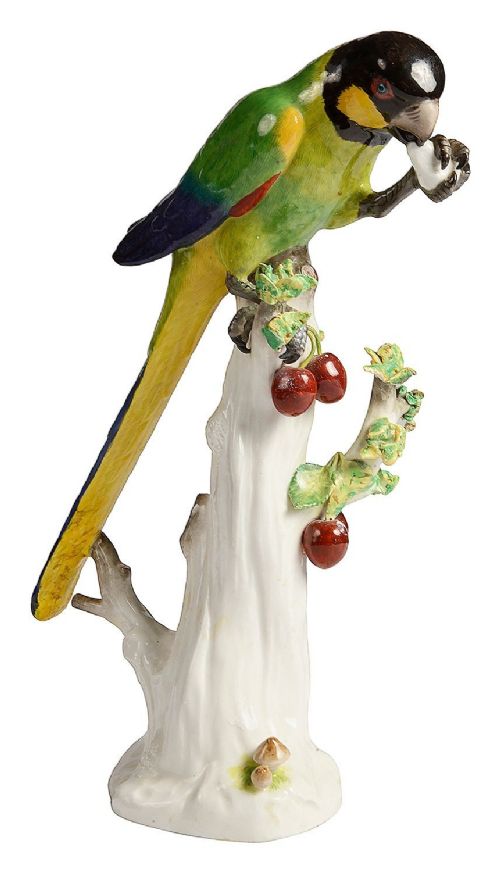
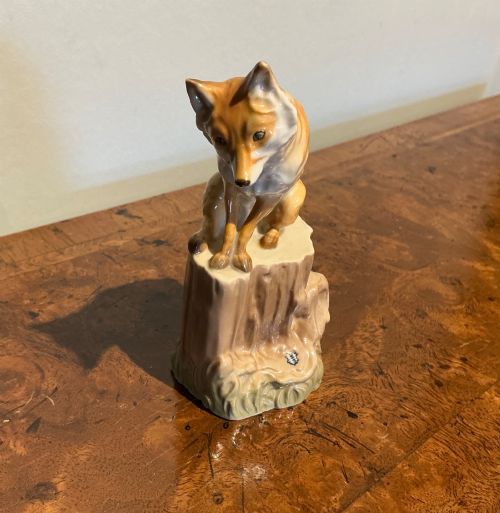
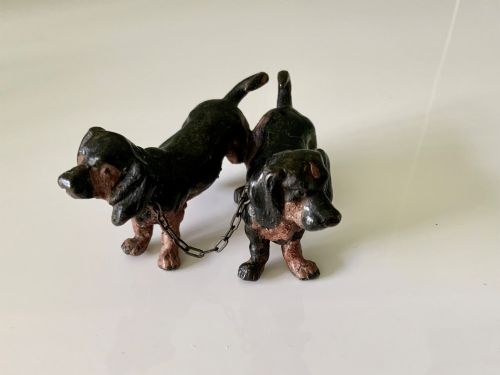
Collectible animal sculptures encompass a diverse range of figures modelled in bronze, hard-paste porcelain, wood, and leather across the Georgian, Victorian, and mid-20th-century periods. You will frequently encounter cold-painted bronze dogs, pigs, and birds alongside porcelain figures of foxes and parrots.
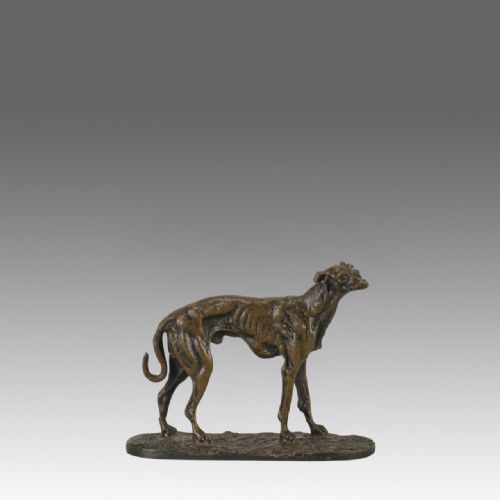
The selection ranges from French Animalier bronzes depicting greyhounds and hounds to Vienna bronze novelties and German decorative porcelain. Makers and foundries of note include Meissen, Nymphenburg, and Liberty & Co., creating everything from desk ornaments to substantial cabinet figures.
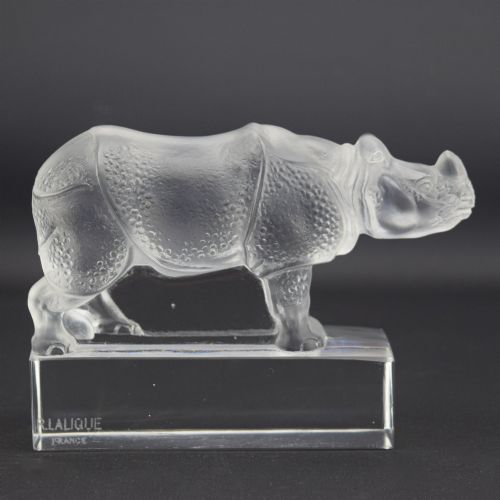
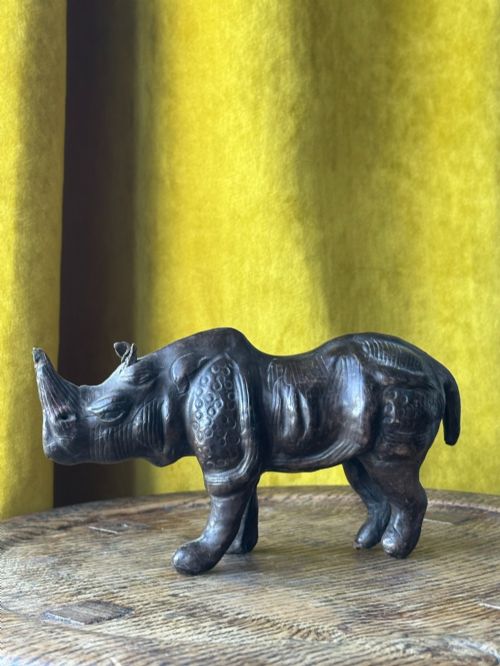
Forms vary from realistic portrayals of terriers and rhinoceroses to stylized Art Deco pelican mascots and carved carousel figures. These pieces reflect shifting tastes in domestic ornamentation from the mid-19th century through the mid-20th century.
How they were made
Bronzes are typically produced using the lost-wax casting method, allowing for fine anatomical detail in subjects like hounds, pigs, and terriers. Cold painting is subsequently applied by hand to the surface of many Austrian and English bronzes, adding polychrome colour directly to the metal.
Porcelain examples from factories such as Meissen, Derby, and Nymphenburg are shaped from hard-paste clay, fired, and then hand-painted under or over the glaze. This technique achieves the glossy surfaces and naturalistic feather or fur markings seen on parrots and foxes.
Alternative materials involve carved wood, moulded leather over armatures for desk ornaments, and pressed glass utilised by makers like Rene Lalique for paperweights. Each technique dictates the weight, texture, and visual depth of the resulting sculpture.
Collectible Animal Sculptures Retail Price Guide 2026
Typical asking prices for collectible animal sculptures among the pieces listed under this phrase on Sellingantiques today, from the lower quarter to the upper quarter. They describe what is for sale here now, not the wider market.
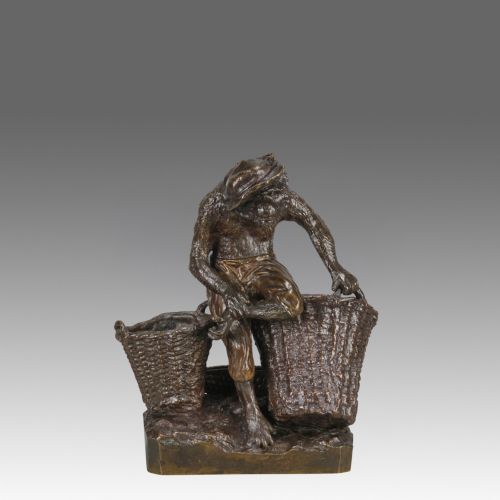
A French bronze depicts a monkey pushing a cart of baskets while a porcelain leopard ambushes a snake.
What varies in quality
The fidelity of the casting and the crispness of the chiselling distinguish superior bronzes from standard commercial productions. Master founders ensure muscles, fur texture, and facial expressions remain sharp rather than smoothed over by repeated moulding.
In porcelain and glazed figures, the precision of the hand-painting and the purity of the white clay body dictate the standard. Superior examples exhibit subtle shading and clean kiln firing without distortion or pooling in the glaze.
The reputation of the foundry or modeller, such as Barbedienne casting Barye or known work by Franz Bergman, elevates the standing of a piece. Original patination and intact cold paint finish carry significant weight among collectors.
Christophe Fratin·P J Mêne·Liberty & Co.·Edith Parsons·Franz Bergman·AL Barye·Barbedienne
The Collectible Animal Sculptures Glossary
- Animalier
- A 19th-century artistic movement focused on the realistic portrayal of animals, particularly in bronze. Sculptors in this tradition studied anatomy closely at menageries.
- Cold-painted bronze
- Metal sculptures painted with oil or enamel paints that are not fired in a kiln. This technique is characteristic of Austrian and English novelty bronzes.
- Hard-paste porcelain
- A durable ceramic composition of kaolin and petuntse fired at high temperatures. It allows for crisp moulding and sharp detail on figures.
- Vienna bronze
- Small, naturalistic or whimsical bronze sculptures produced in Austrian workshops around 1900. They are frequently cold-painted by hand.
- Lost-wax casting
- A metal casting process where a wax model is melted out of a mould and replaced with molten bronze. It permits intricate undercuts and delicate forms.
Collectible Animal Sculptures: Frequently Asked Questions
What is an Animalier bronze?
An Animalier bronze is a sculpture depicting animals with anatomical realism, popularised in 19th-century France by artists such as Barye and Mêne.
These pieces capture creatures in motion or repose, reflecting a scientific and artistic interest in natural history during the period.
How do I identify cold-painted bronze?
Cold-painted bronzes feature non-fired paint applied directly to the metal surface, often showing subtle wear over time.
Austrian workshops around 1900 specialised in this technique for small animal figures and desk ornaments.
Where were porcelain animal figures made?
Porcelain animal sculptures were produced across Europe by major factories including Meissen in Germany, Nymphenburg, and Derby in England.
Each manufactory utilised its own specific hard-paste clay formula and distinct hand-painting styles.
How should I display animal sculptures?
These sculptures suit placement on desks, bookshelves, or cabinets where their material qualities and forms can be examined closely.
Protect painted bronzes and delicate porcelain from direct sunlight and excessive moisture to preserve their surfaces.