



Collectable Tobacco Antiques
These collectable tobacco antiques span centuries of smoking and snuff-taking habits, taking the form of carved treen boxes, silver containers, and pipes.
Collectable Tobacco Antiques
Collectable tobacco antiques encompass a wide array of functional items designed for smoking and snuff consumption across the Georgian, Victorian, and Edwardian periods. Buyers exploring this category frequently encounter pocket-sized snuff boxes carved from wood, shell, or horn, alongside larger tobacco jars and smoking pipes.
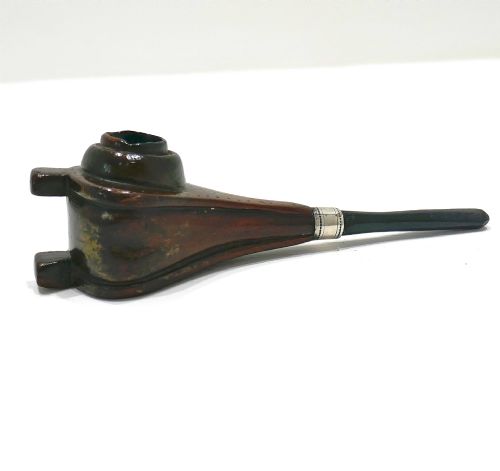
The material range on this page stretches from sterling silver and brass to organic substances like tortoiseshell, coquilla nut, and staghorn. Alongside standard containers, the selection includes smoking accessories such as tobacco cutters, pipes, and specialised mortars.
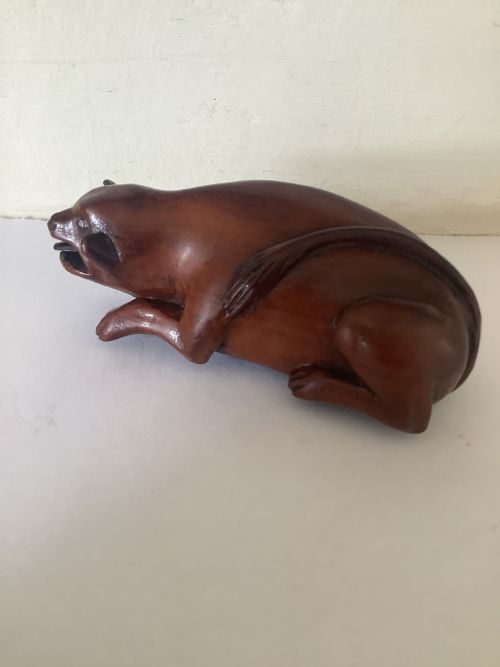
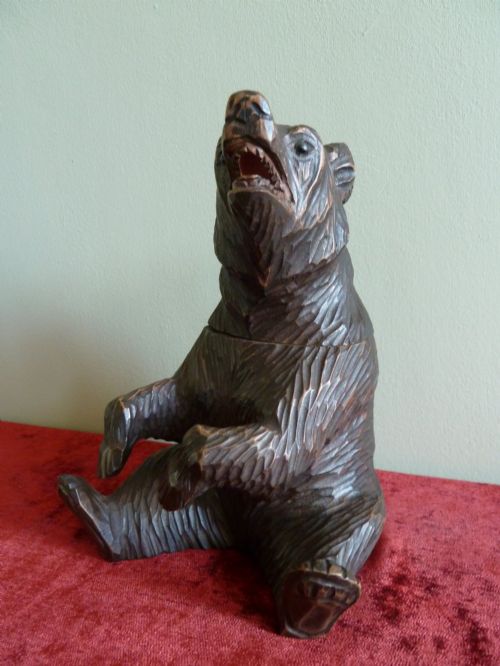
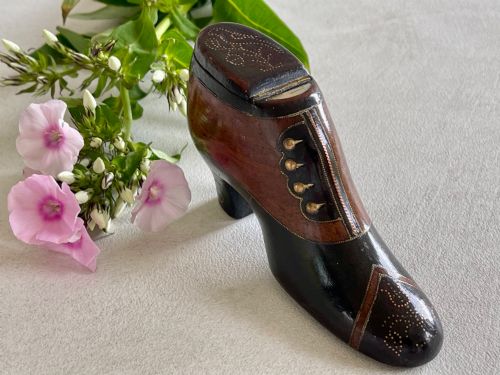
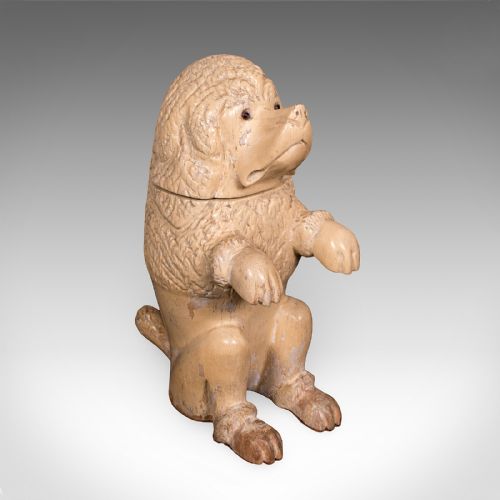
Objects range from plain utilitarian vessels to whimsical figural pieces like carved bears, dogs, and shoes. These items reflect personal habits from the eighteenth, nineteenth, and early twentieth centuries.
How they were made
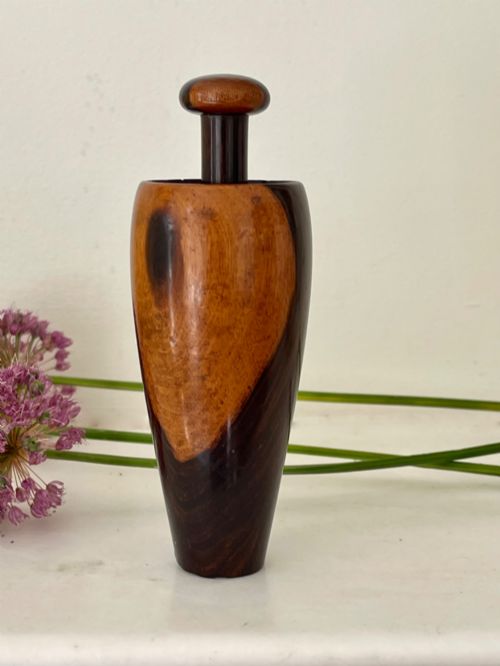
Maker techniques rely heavily on traditional woodworking and metalworking methods suited to organic and precious materials. Treen items utilise hardwoods, fruitwoods, and nuts shaped by turning, carving, and cooperage.
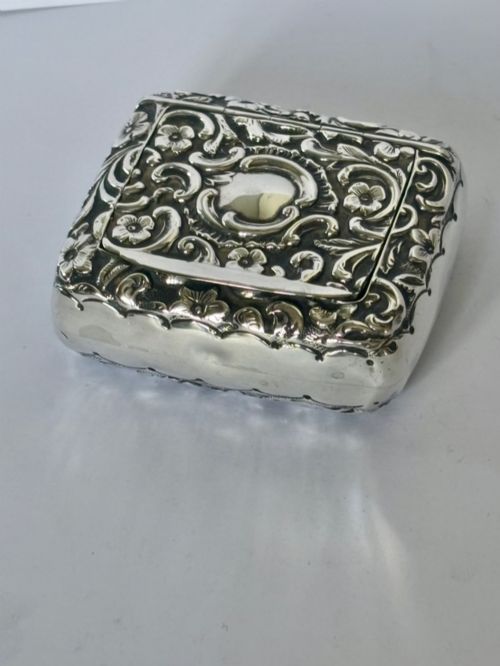
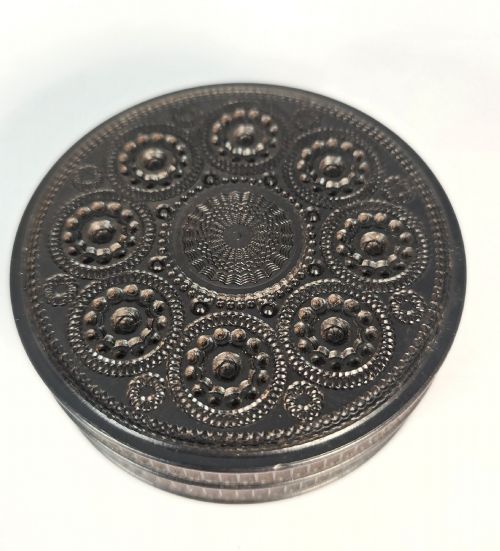
Silver and metal pieces incorporate silversmithing techniques such as embossing, engraving, and engine-turning to decorate lids and bodies. Painted and lacquered surfaces on tortoiseshell, papier-mâché, and tin display detailed miniature work and pen-work.
Listings feature tobacco containers and smoking gear spanning the eighteenth, nineteenth, and early twentieth centuries in wood, silver, horn, and tortoiseshell.
What varies in quality
Quality in these pieces rests upon the precision of the carving and the crispness of any metal decoration. Finely detailed figural carvings and sharp engine-turned patterns demonstrate superior craftsmanship compared to plain or heavily worn surfaces.
The integrity of the material and the survival of original decorative elements dictate the standing of an object. Integrated elements such as matching silver mounts or well-fitted lids preserve the structural and aesthetic standard of the piece.
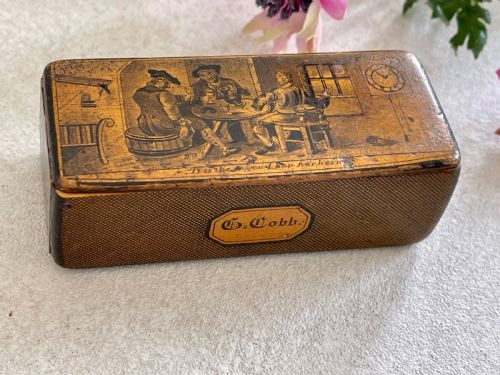
Henry Matthews·Blumfeld·Butz Choquin·G Cobb·E Cornock·James Phipps I·Maud Bowden·Stobwasser
The Collectable Tobacco Antiques Glossary
- Treen
- Small handmade wooden objects produced before the widespread use of plastics. This term covers items like turned boxes, mortars, and shoe-shaped snuff containers.
- Snuff Mull
- A Scottish container for holding powdered tobacco, typically fashioned from animal horn mounted with silver. These often feature distinctive natural curves and hinged lids.
- Coquilla Nut
- The hard, dense seed of an exotic palm tree frequently carved into pocket snuff boxes during the nineteenth century. Its dark brown surface takes fine detail well.
- Engine-turned
- A geometric decorative pattern mechanically cut into metal or wood surfaces. This technique creates precise, repeating textures across boxes and cases.
- Meerschaum
- A soft, white mineral carved into intricate smoking pipes that gradually change colour with use. It is prized for its heat-resistant properties and detailed relief work.
Collectable Tobacco Antiques: Frequently Asked Questions
How do you date wooden treen boxes?
Dating wooden treen relies on observing tool marks, the choice of timber, and the style of construction. Common fruitwoods and exotic hardwoods indicate specific periods of popularity during the eighteenth and nineteenth centuries.
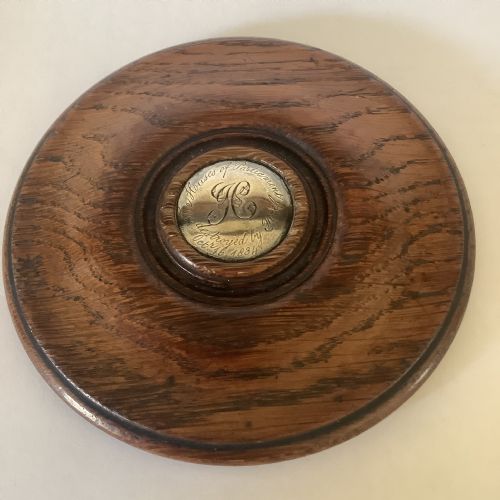
Inscribed dates, historical events, or specific figural motifs provide additional chronological clues. Examining the hinge mechanism and wear patterns helps confirm age.
What is a tobacco mull?
A tobacco mull is a traditional container, most commonly associated with Scottish items made from animal horn. They were used to store and dispense snuff or tobacco.
These pieces utilise the natural shape of a ram or stag horn, often fitted with silver mounts and sometimes paired with a small spoon. Their organic texture makes them distinct from standard wooden or metal boxes.
How were antique pipes made?
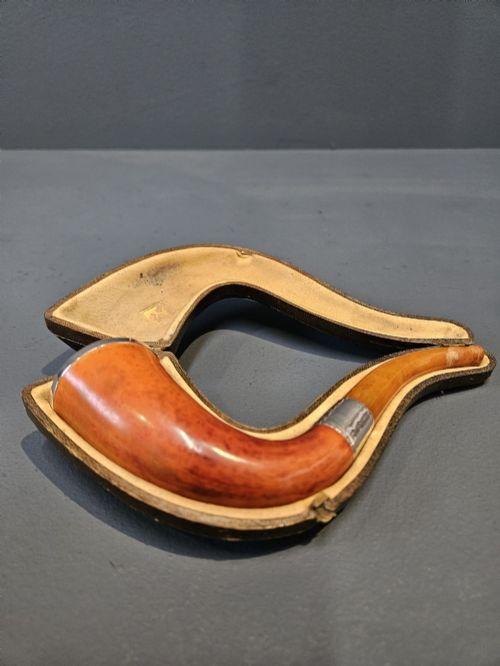
Antique smoking pipes were shaped from specialised materials designed to withstand heat, such as briar wood, meerschaum, and carved horn. Makers often added silver mounts for durability and visual contrast.
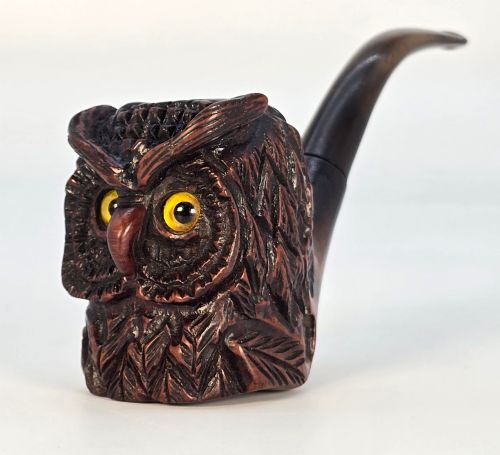
Some examples include cases for storage, while others feature figural bowls shaped like animals or novelty subjects. Trench art pipes from the wartime era utilised makeshift materials combined with carved designs.