






Collectable Portrait
A collectable portrait captures a likeness across centuries of paint, ceramic, and metal, offering a tangible link to historical figures and officers.
Collectable Portrait
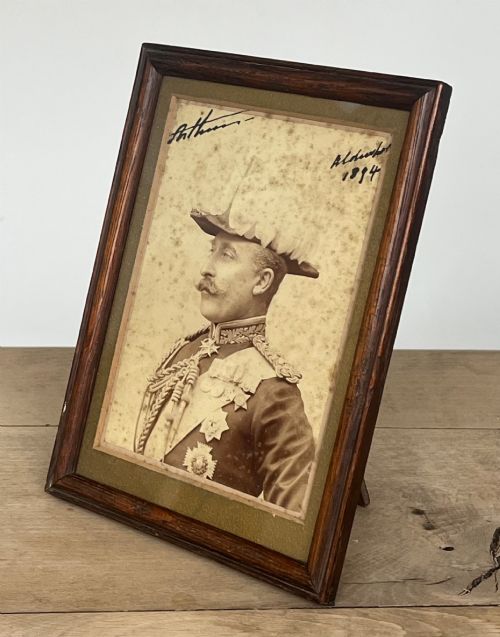
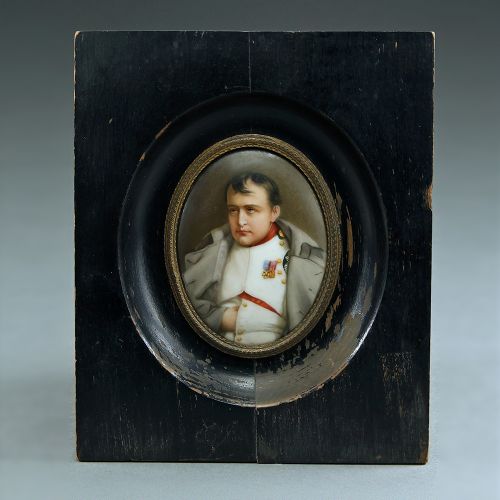
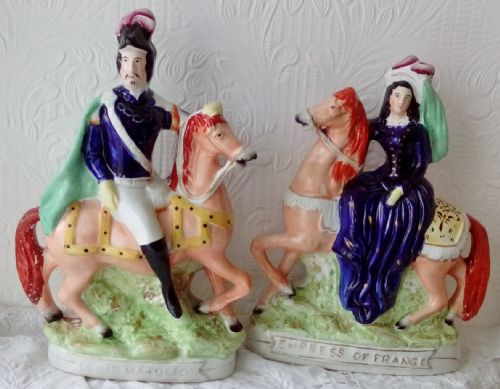
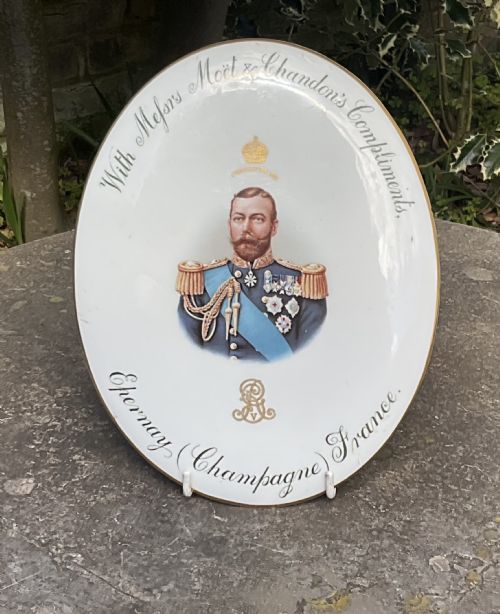
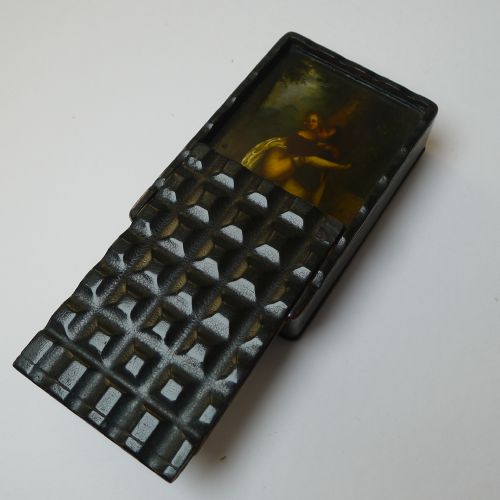
When searching for a collectable portrait, a buyer encounters a diverse group of objects spanning from the eighteenth century to the mid-twentieth century, including hand-painted miniatures, pottery figures, and decorative wall art. The most frequent examples appearing here are nineteenth-century Staffordshire pottery figures depicting royals and leaders, alongside detailed portrait miniatures on ivory or paper and painted snuff boxes.
These pieces cross several distinct stylistic traditions, ranging from Georgian and Victorian works to French Empire and mid-century Modernism. A collector might examine a painted tin tobacco tin, an earthenware plaque, or a limited edition lithograph, demonstrating how portraiture transcended traditional canvas to inhabit everyday functional items.
The origins of these items vary widely, incorporating English Staffordshire potteries, German workshops, and Irish watercolours. Each object type carries the distinct aesthetic values of its era, whether the formal rigidness of a naval officer miniature or the folk charm of a Victorian royal pottery figure.
Materials and methods of production
Makers utilised a combination of traditional pigments, ceramic bodies, and metals to create these likenesses, applying paint to paper, porcelain, and tin. Earthenware and porcelain figures required careful moulding and hand-painting with mineral oxides, while snuff boxes incorporated carved coquilla nut, papier-mâché, and painted enamel.
Printmakers employed lithography and pochoir techniques on paper, integrating gold leaf for decorative accents in commemorative plaques and book illustrations. Metalwork items relied on casting and stamping processes to shape sterling silver buttons and brass snuff boxes before final surface finishing.
Collectable Portrait Retail Price Guide 2026
Typical asking prices for collectable portrait among the pieces listed under this phrase on Sellingantiques today, from the lower quarter to the upper quarter. They describe what is for sale here now, not the wider market.
Listings feature portrait works spanning the Georgian, Victorian, and Edwardian periods, utilising porcelain, earthenware, and paper.
Distinctions in craftsmanship
Material selection and decorative depth separate ordinary items from exceptional ones, particularly in carved snuff boxes and signed watercolours. Works bearing documented signatures from known painters or superior detail in carving reflect a higher tier of period craftsmanship.
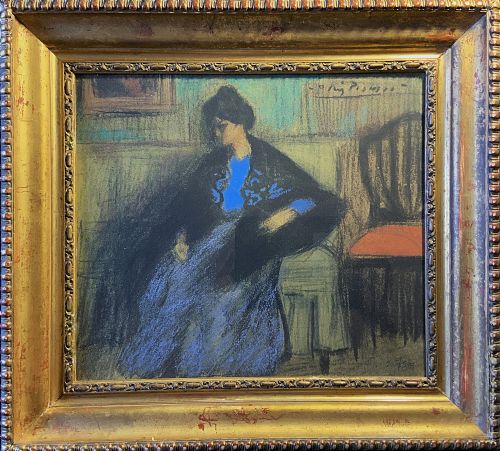
Tom Keeling·Stobwasser·John E. Bosanquet·Pablo Picasso
The Collectable Portrait Glossary
- Portrait Miniature
- A small, highly detailed painting of a person, executed on ivory, vellum, or paper during the eighteenth and nineteenth centuries.
- Staffordshire Pottery
- Earthenware figures and ceramics produced in the Staffordshire potteries of England, frequently depicting historical and royal figures.
- Pochoir
- A stencil-based printing method used to apply vibrant hand-applied watercolours or gouache to prints and lithographs.
- Coquilla Nut
- The hard, dark brown fruit of a South American palm, commonly carved into intricate snuff boxes during the nineteenth century.
- Enamel
- A glassy substance fused to metal through firing, providing a durable and glossy painted surface for decorative boxes and plaques.
Collectable Portrait: Frequently Asked Questions
What are collectable portrait pieces?
These items encompass a wide array of historical likenesses rendered in paint, ceramic, paper, and metal across multiple centuries. They range from tiny painted miniatures of naval officers to larger earthenware Staffordshire figures of royalty and leaders.
Buyers also find decorative plaques, snuff boxes, and framed lithographs within this category. Each format preserves the likeness of a notable person using the prevailing decorative techniques of its specific period.
How were portrait miniatures used?
Historical portrait miniatures served as intimate personal tokens, often carried in pockets or worn close to the heart as pendants. Their compact size allowed family members, military officers, and nobility to keep the likeness of loved ones during travels.
Later examples transitioned into purely decorative cabinet pieces or functional items like snuff boxes and commemorative plates. They combined utility with personal commemoration in daily nineteenth-century life.
How do I care for antique portraits?
Preserving these pieces requires protecting delicate painted surfaces and paper from direct sunlight and excessive moisture. Displaying items away from heat sources prevents the warping of materials like papier-mâché, wood, and paper.
Ceramic figures and metal snuff boxes benefit from gentle dusting with a soft, dry cloth without chemical cleaning agents. Proper environmental control ensures the original pigments and glazes remain stable over time.
How to tell periods apart?
Differentiating periods involves examining the materials, clothing styles, and painting techniques characteristic of specific decades. Georgian and early nineteenth-century works often feature distinct facial proportions and hand-mixed pigments on ivory or tin.
Victorian pieces frequently display bolder ceramic glazes and mass-production moulding marks associated with industrial potteries. Twentieth-century items shift toward modern printing techniques, distinct typography, and twentieth-century artistic movements.