





Collectable Porcelain Bowl
A collectable porcelain bowl brings vibrant colour and intricate design to a room, ranging from early tea vessels to striking lustre ware.
Collectable Porcelain Bowl
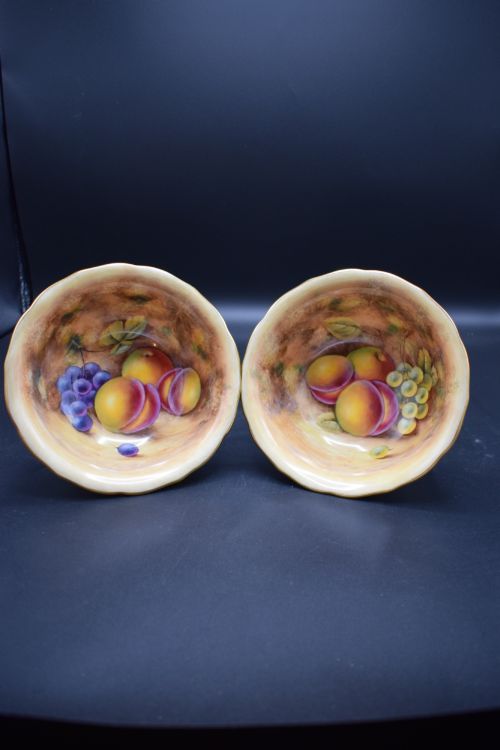
When you search for a collectable porcelain bowl, you are looking at small ceramics created for decorative display, tea service, or dressing table use. The pieces gathered here span several decades and styles, offering a clear view of how makers used form and surface decoration over time.
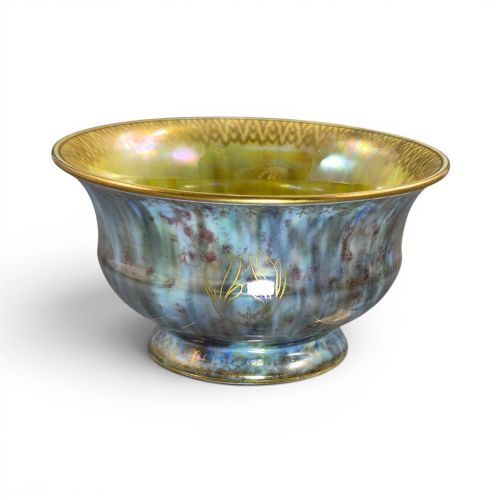
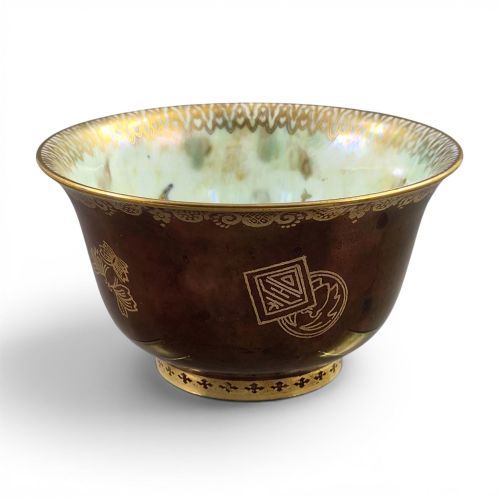
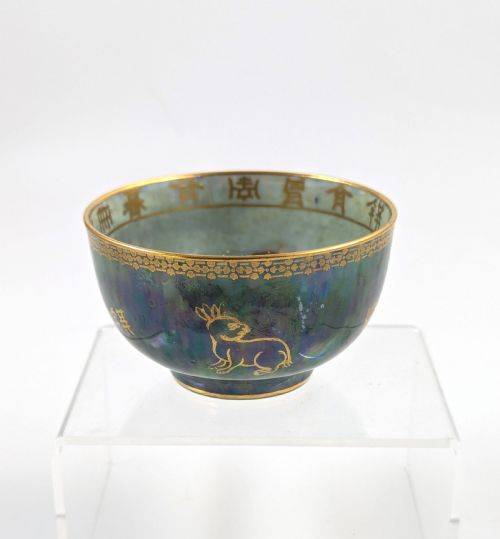
The version you are most likely to meet on this page is the lustre bowl designed by Daisy Makeig-Jones for Wedgwood, dating from the Edwardian period and the 1910s to 1920s. These works feature elaborate mythical creatures, fairies, and geometric patterns enhanced by iridescent glazes.
Alongside these lustre pieces, you will encounter earlier 18th-century tea bowls and saucers, as well as 1930s Art Deco powder bowls depicting theatrical figures such as Pierrot. Each type serves a distinct function, moving from the refined porcelain of tea ceremonies to the bold decoration of the twentieth century.
How they were made
Makers shaped fine ceramic bodies using porcelain and bone china, forming vessels on the wheel or in moulds before firing them at high temperatures. This created a dense, durable base capable of holding delicate painted details and intricate glazes.
The surface decoration relied on specialised techniques, including lustre glazes that imparted a shimmering, metallic sheen and detailed enamel painting. Artisans applied gold leaf and gold gilding by hand to accentuate rims, borders, and central motifs.
Wedgwood pieces utilised complex transfer printing combined with hand-painted enamels to achieve the multi-layered fantasy scenes seen in Fairyland designs. Earlier 18th-century Worcester items depended on hand-brushed underglazes and overglaze enamels fired repeatedly in kilns.
Collectable Porcelain Bowl Retail Price Guide 2026
Typical asking prices for collectable porcelain bowl among the pieces listed under this phrase on Sellingantiques today, from the lower quarter to the upper quarter. They describe what is for sale here now, not the wider market.
Fairies gaze across dragon-filled landscapes on bowls designed by a woman who spent her career hiding magical creatures in plain sight.
What varies in quality
The success of a piece depends heavily on the precision of the hand-painting and the depth achieved within the lustre glaze. Finer examples display crisp outlines on complex motifs like dragons and fairies, while lesser items show blurred transfers or uneven glaze pooling.
The application of gold leaf and gilding separates standard production from superior work, with top-tier items retaining rich, burnished metallic highlights that catch the light evenly. The clarity of the underlying porcelain body and the absence of firing distortions also determine the standing of each vessel.
Daisy Makeig Jones·Wedgwood·Worcester
The Collectable Porcelain Bowl Glossary
- Lustre glaze
- A metallic ceramic glaze that produces an iridescent or pearlescent sheen when fired in a reduced oxygen atmosphere. It creates the signature rainbow effect seen on early twentieth-century decorative pieces.
- Tea bowl
- A small, handleless drinking vessel used in early tea services before the widespread adoption of handled teacups. These forms draw on Asian precedents and require careful handling.
- Bone china
- A type of soft-paste porcelain incorporating animal bone ash, which increases strength, whiteness, and translucency. It allows for thinner walls while maintaining structural integrity.
- Enamel
- A decorative glass-like substance fused to the surface of fired porcelain at lower temperatures. It provides the vibrant range of colours found in pictorial and abstract ceramic designs.
Collectable Porcelain Bowl: Frequently Asked Questions
How do I care for a lustre bowl?
Wash porcelain bowls by hand using lukewarm water and a mild detergent, avoiding abrasive sponges that might damage the delicate metallic glaze.
Keep them away from direct sunlight to prevent fading in the hand-painted enamels and gold gilding over time.
Were these bowls used for food?
Many early tea bowls served a practical function during tea ceremonies, holding hot liquids for daily consumption.
Later lustre and powder bowls were intended primarily for decorative display or dressing table storage rather than dining.
How can I tell the period?
Examine the base for maker marks, registration numbers, and backstamps that correspond to specific manufacturing decades.
Style markers, such as the distinct fantasy motifs of the Edwardian era or the geometric lines of Art Deco, also indicate the date of origin.
What is a powder bowl?
A powder bowl is a lidded ceramic vessel designed for a dressing table to hold cosmetic face powder.
They often feature figural or theatrical lids, such as Pierrot designs from the 1930s, reflecting the vanity culture of the period.