





Collectable Pill Box
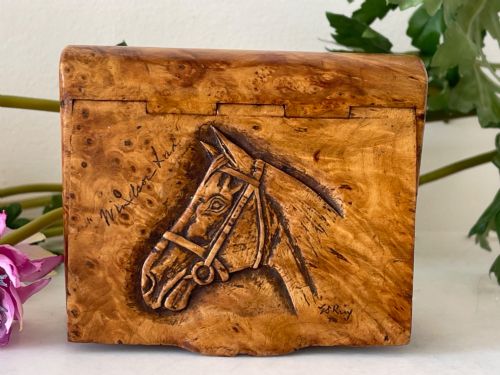
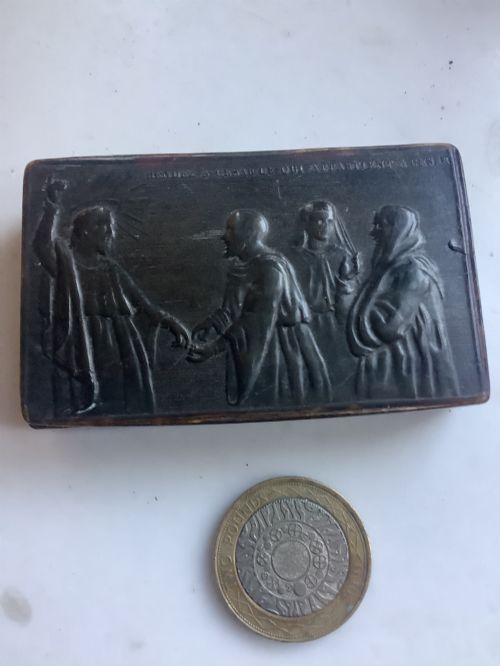
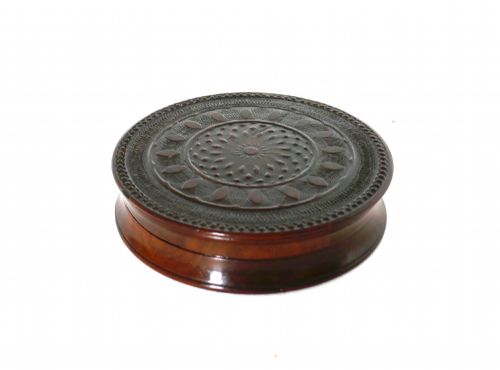
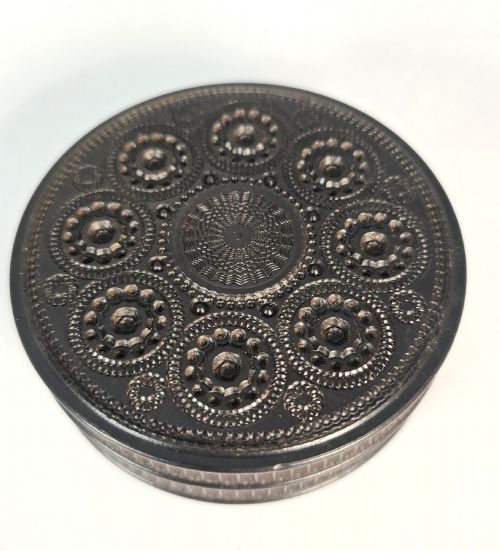
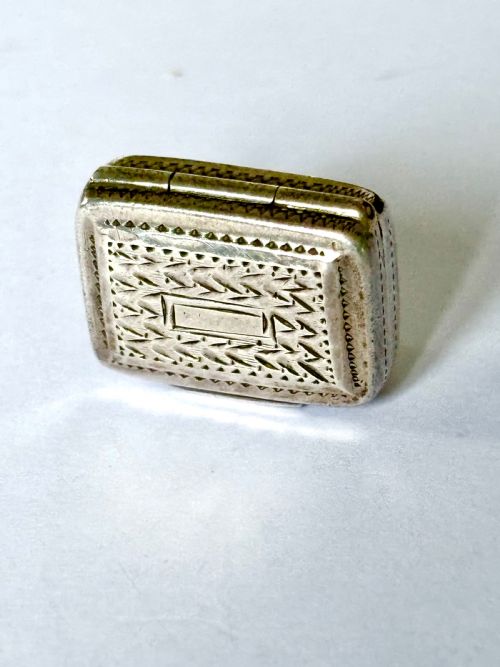
These collectable pill box examples are portable metal, wood and tortoiseshell containers shaped by Georgian and Victorian hands.
Collectable Pill Box
When you search for a collectable pill box, you encounter small personal containers spanning the Georgian, Victorian and mid-20th-century eras. The items on this page cover functional pocket pieces such as snuff boxes, vinaigrettes and patch boxes alongside dedicated trinket vessels.
Most examples originate from British workshops in sterling silver, silver gilt or mixed wood veneers, supplemented by French enamel and tortoiseshell designs. These pocket items served practical daily needs for past owners before transitioning into decorative collectables.
How they were made
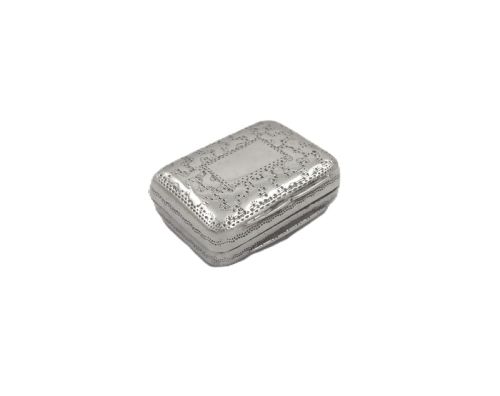
Makers utilised sterling silver and silver gilt, often shaping the metal through embossing, engine turning and delicate gilding. Silversmiths worked precious metals into hinged pocket forms designed to secure small contents safely.
Woodworkers turned laburnum, ebony, boxwood and rosewood on lathes to create patterned surfaces, while specialists applied intricate Tunbridge Ware marquetry. Tortoiseshell, enamel and gold leaf further enhanced both wooden and metallic containers.
Collectable Pill Box Retail Price Guide 2026
Typical asking prices for collectable pill box among the pieces listed under this phrase on Sellingantiques today, from the lower quarter to the upper quarter. They describe what is for sale here now, not the wider market.
Periods represented across the available inventory span the Georgian, Victorian, Regency, Edwardian, William IV and mid-20th-century eras.
What varies in quality
The standard of a piece rests upon the crispness of the hand-carved decoration, engine turning and metal embossing. Sharply defined details on silver work and precise execution in wooden marquetry indicate higher craftsmanship.
Material selection also dictates the hierarchy, with precious metals, gold accents and genuine tortoiseshell elevating individual objects. The presence of clear hallmarks and documented maker attributions further distinguishes finer pieces.
Henry Matthews·John Bettridge·Elkington and Co·Hermes Paris·James Phipps I·Reily and Storer
The Collectable Pill Box Glossary
- Vinaigrette
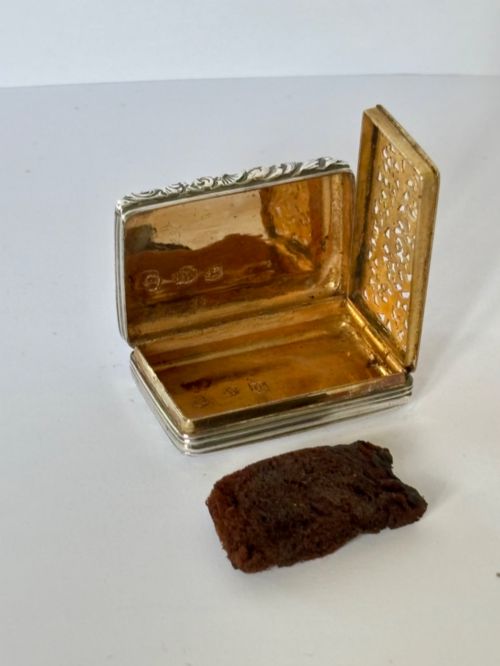
- A small decorative box featuring an internal pierced grille that held a sponge soaked in aromatic vinegar. These portable metal containers were carried in pockets to provide relief from unpleasant odours.
- Engine turning
- A mechanical decoration technique that cuts precise geometric patterns into metal or wood surfaces. This meticulous process creates textured, light-catching finishes across lids and bases.
- Tunbridge Ware
- A form of British woodworking from Kent that uses tiny mosaic wood tiles to create pictorial and geometric designs. Craftsmen assembled natural wood veneers to picture buildings, flowers or patterns.
- Silver gilt
- Sterling silver that has been coated with a thin layer of gold on its interior or exterior surfaces. This technique combined the structural strength of silver with the rich appearance of solid gold.
- Patch box
- A small container used during the 18th century to store cosmetic fabric patches worn on the face. These often featured enamel lids and internal mirrors for convenient application.
Collectable Pill Box: Frequently Asked Questions
What is a vinaigrette box?
A vinaigrette is a small silver container fitted with an internal pierced grille. It held a sponge soaked in aromatic vinegar for use in foul environments.
These pieces function similarly to pill boxes but contain the characteristic inner grill rather than a simple hollow storage chamber.
How do I date an old box?
Dating relies heavily on metal hallmarks, material combinations and prevailing decorative styles. Georgian and Victorian pieces show distinct manufacturing traits and maker marks.
Examining hinge construction and wood types also helps narrow down the period of creation.
What are Tunbridge Ware items?
Tunbridge Ware pieces are wooden boxes decorated with tiny mosaic tiles assembled from different coloured natural woods. They often depict geometric patterns or architectural scenes.
Craftsmen in Kent produced these specialised items primarily during the 19th century.
Were these boxes used for pills?
Many historical pocket containers served multiple purposes including holding tobacco, snuff, patches or dry medicines. Apothecaries also used specialised wooden pill rounders to shape medications.
Owners adapted small decorative boxes to carry whatever personal items they required throughout the day.