



Collectable Moorcroft Ceramic
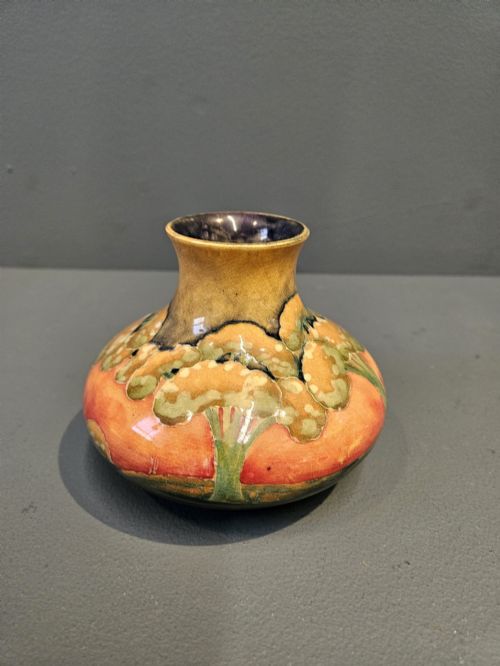
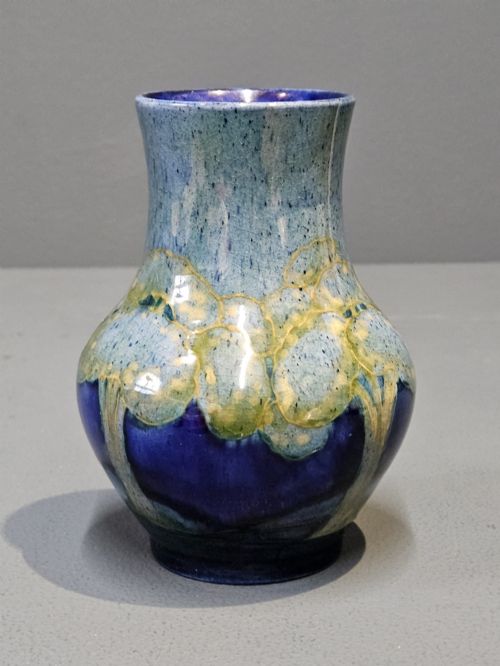
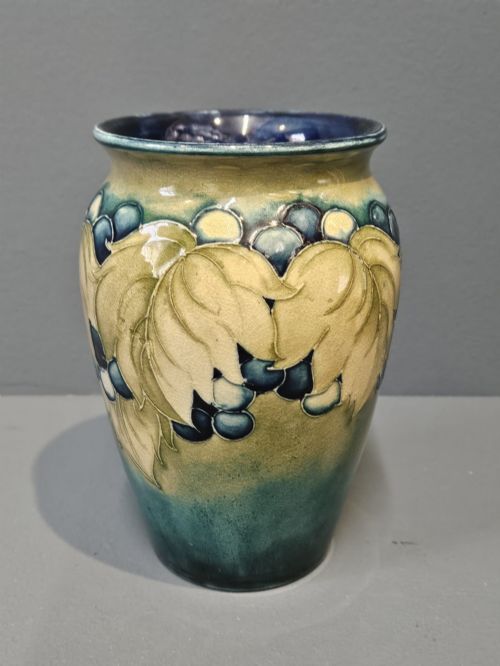
Collectable moorcroft ceramic pieces are striking examples of British art pottery, prized for their raised tube-lined designs and rich colours.
Collectable Moorcroft Ceramic
When you search for collectable moorcroft ceramic, you encounter pieces spanning from the nineteen-tens through the nineteen-thirties, reflecting distinct design movements.
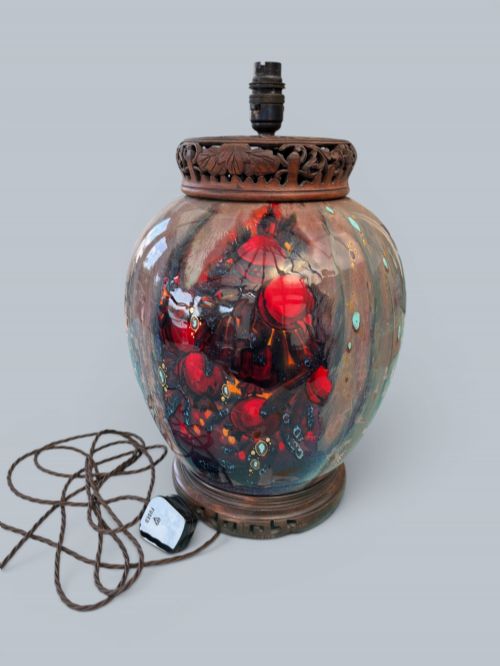
The selection on this page centres on earthenware vessels such as vases, bowls, plates, and table lamps that showcase characteristic floral and foliage patterns.
Early twentieth-century production brings forth significant forms associated with William Moorcroft and Macintyre, utilising Arts and Crafts, Art Nouveau, and Art Deco styles.
How they were made
Potters shaped these items from earthenware before applying distinct tube-lined outlines that held vibrant glazes in place.
The application of glaze and subsequent firing created the characteristic glossy or salt-glazed finishes seen across the pieces.
Collectable Moorcroft Ceramic Retail Price Guide 2026
Typical asking prices for collectable moorcroft ceramic among the pieces listed under this phrase on Sellingantiques today, from the lower quarter to the upper quarter. They describe what is for sale here now, not the wider market.
The listings here feature earthenware pieces from the nineteen-tens, nineteen-twenties, and nineteen-thirties.
What varies in quality
The distinction between standard items and the top of the range rests on the complexity of the tube-lined pattern and the depth of the glaze palette.
Early signatures, stamps, and special commissions for firms such as Liberty and Company elevate the standing of individual examples.
William Moorcroft·A Macintyre and Co·Liberty and Co
The Collectable Moorcroft Ceramic Glossary
- Tube-lining
- A technique where liquid clay is piped onto the earthenware body to create raised outlines for the glaze. This method defines the tactile surface of Moorcroft pottery.
- Earthenware
- Porous pottery fired at a lower temperature than stoneware, serving as the primary body for these ceramics. Glazes seal the porous clay.
- Salt glaze
- A finish achieved by throwing common salt into the kiln during high-temperature firing, producing a textured surface. This treatment appears on specific twentieth-century vases.
- Art Pottery
- Ceramics produced by artists and studios focusing on aesthetic design rather than mass-produced utilitarian ware. Moorcroft stands as a prominent maker within this tradition.
Collectable Moorcroft Ceramic: Frequently Asked Questions
How do I identify early Moorcroft pottery?
Early pieces often bear specific signatures or factory stamps from the Moorcroft workshop or Macintyre era.
Examining the base marks helps establish the production period alongside stylistic clues from the Arts and Crafts or Art Nouveau movements.
What patterns are most common?
Floral and botanical motifs, such as pomegranates and leaves and berries, dominate the patterns found on these earthenware pieces.
These designs utilise the signature tube-lined technique to create deep, colourful relief decorations.
How should I display a ceramic lamp?
Table lamps require placement on stable surfaces away from heavy foot traffic to protect the ceramic body and wiring.
Matching the lampshade style to the art pottery base preserves the aesthetic balance of the piece.
Are salt glazed pieces different?
Salt glazed items feature a distinctive textured finish resulting from salt introduced during the kiln firing process.
This finish alters the surface feel compared to standard glossy earthenware glazes.